
Anapsid (amniote skull type)
Anapsid: an amniote skull lacking temporal openings behind the eyes. A primitive condition in early Carboniferous amniotes and a secondary trait in some reptiles such as turtles and mesosaurs.
Overview
An anapsid is an amniote whose skull has no openings (temporal fenestrae) on the sides of the skull behind the orbits. The term describes a skull architecture rather than a single taxonomic clade. The absence of temporal openings is contrasted with other major patterns seen in amniotes, such as synapsid and diapsid skulls, which have one or two pairs of fenestrae respectively. The term is often used in paleontology and comparative anatomy to categorize fossil and living reptiles by their cranial features.
Image gallery
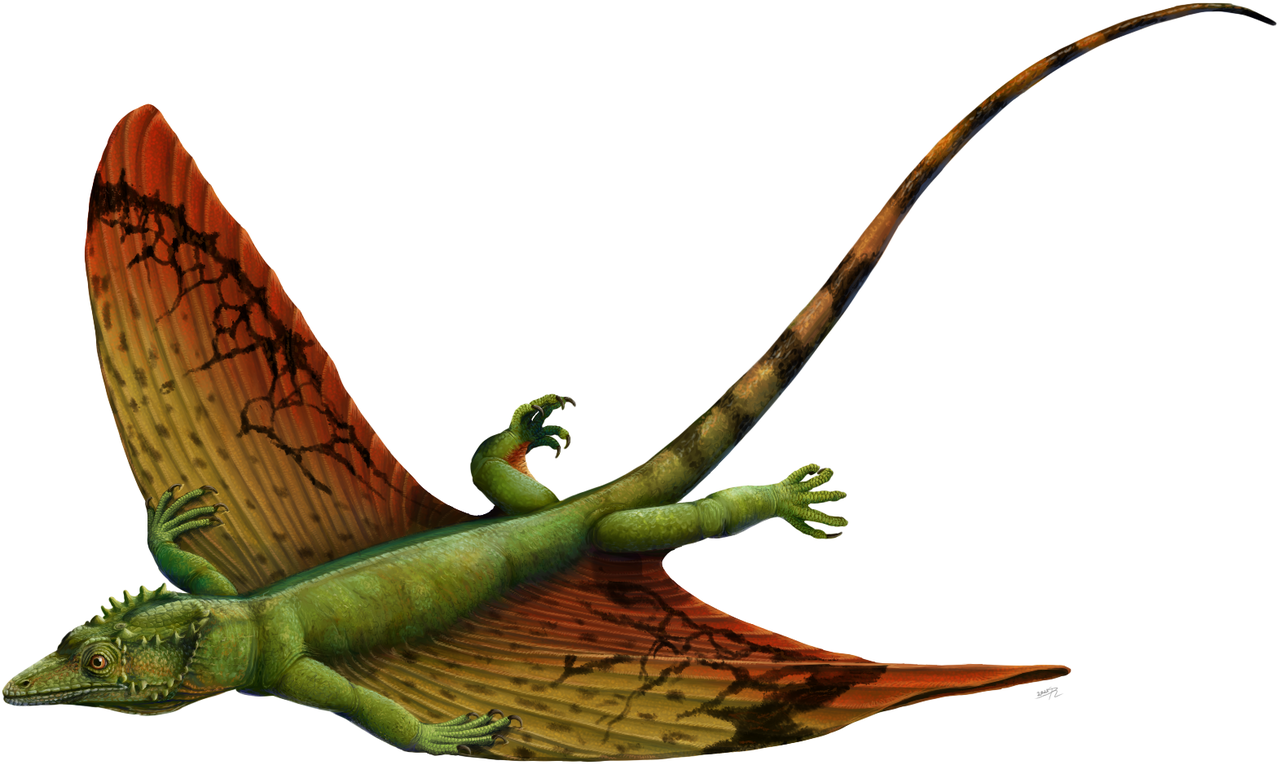
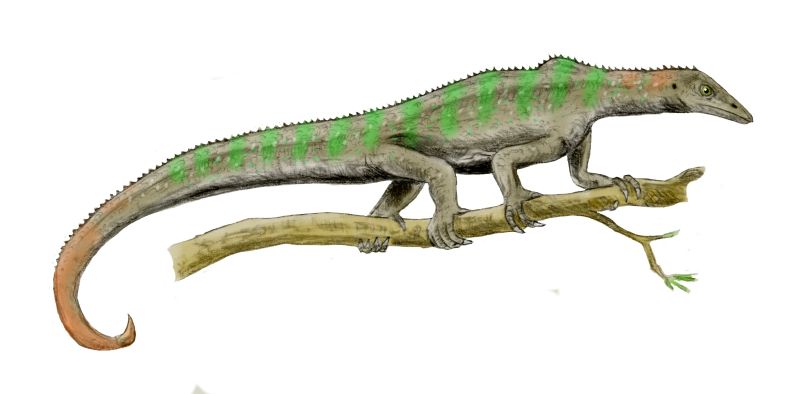
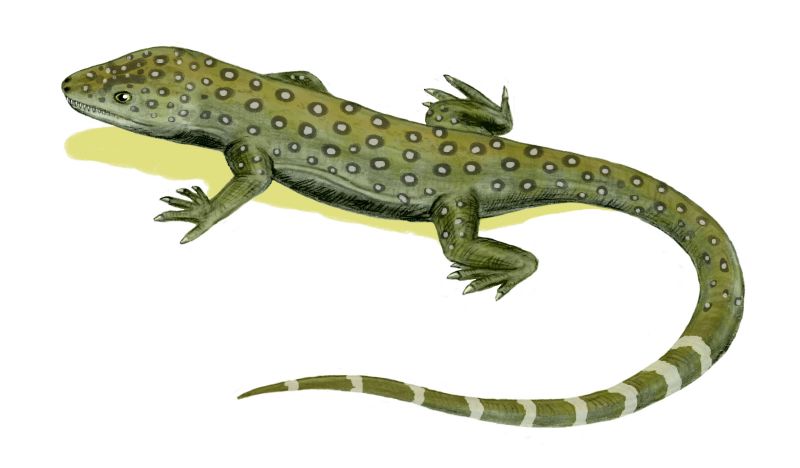
6 Images


Characteristics
Key features of anapsid skulls include a solid temporal region with no lateral openings behind the eyes, relatively simple cheekbones, and an often robust posterior skull. These features can influence jaw muscle attachment and skull strength. Because the trait describes the presence or absence of fenestrae, it can reflect primitive retention of an ancestral condition or a secondary reduction of openings in a lineage that once had them.
History and evolutionary context
Early amniotes from the Mississippian (the early part of the Carboniferous) possessed anapsid-like skulls; this condition is regarded as the primitive or basal state for the group. Many Paleozoic and early Mesozoic reptiles are interpreted with anapsid skull morphologies in the fossil record. Modern discussions about anapsids also consider whether some taxa regained or retained the anapsid condition secondarily after branching from fenestrated ancestors.
Examples and notable taxa
- Primitive early amniotes and a range of Paleozoic reptiles exhibit anapsid skulls.
- Mesosaurs, an aquatic Permian group, are commonly cited as examples of anapsid reptiles.
- Modern turtles (order Chelonia) have long been described as anapsid in traditional classifications; however, some research suggests their condition may be secondarily derived. See general articles on turtles for more background.
Comparisons and significance
Comparing anapsid, synapsid and diapsid skulls helps paleontologists reconstruct evolutionary relationships and functional anatomy. The presence or absence of temporal openings affects where jaw muscles attach and hence feeding mechanics. Because similar skull patterns can arise by retention or loss of fenestrae, careful phylogenetic analysis—often combined with molecular evidence—is needed to determine whether an anapsid skull represents an ancestral trait or a secondary modification.
Related topics and further reading
Readers seeking broader context may consult entries on the amniote clade (amniote) and geological timing such as the early Carboniferous (Mississippian). These topics clarify when anapsid conditions first appear in the fossil record and how skull architecture fits into the larger story of vertebrate evolution.
Related articles
Author
AlegsaOnline.com Anapsid (amniote skull type) Leandro Alegsa
URL: https://en.alegsaonline.com/art/3778