
Anaerobic digestion: microbial breakdown of organic matter and biogas production
Anaerobic digestion is a managed biological process in which microbes decompose organic material without oxygen, producing biogas for energy and a nutrient-rich digestate for soil amendment.
Overview
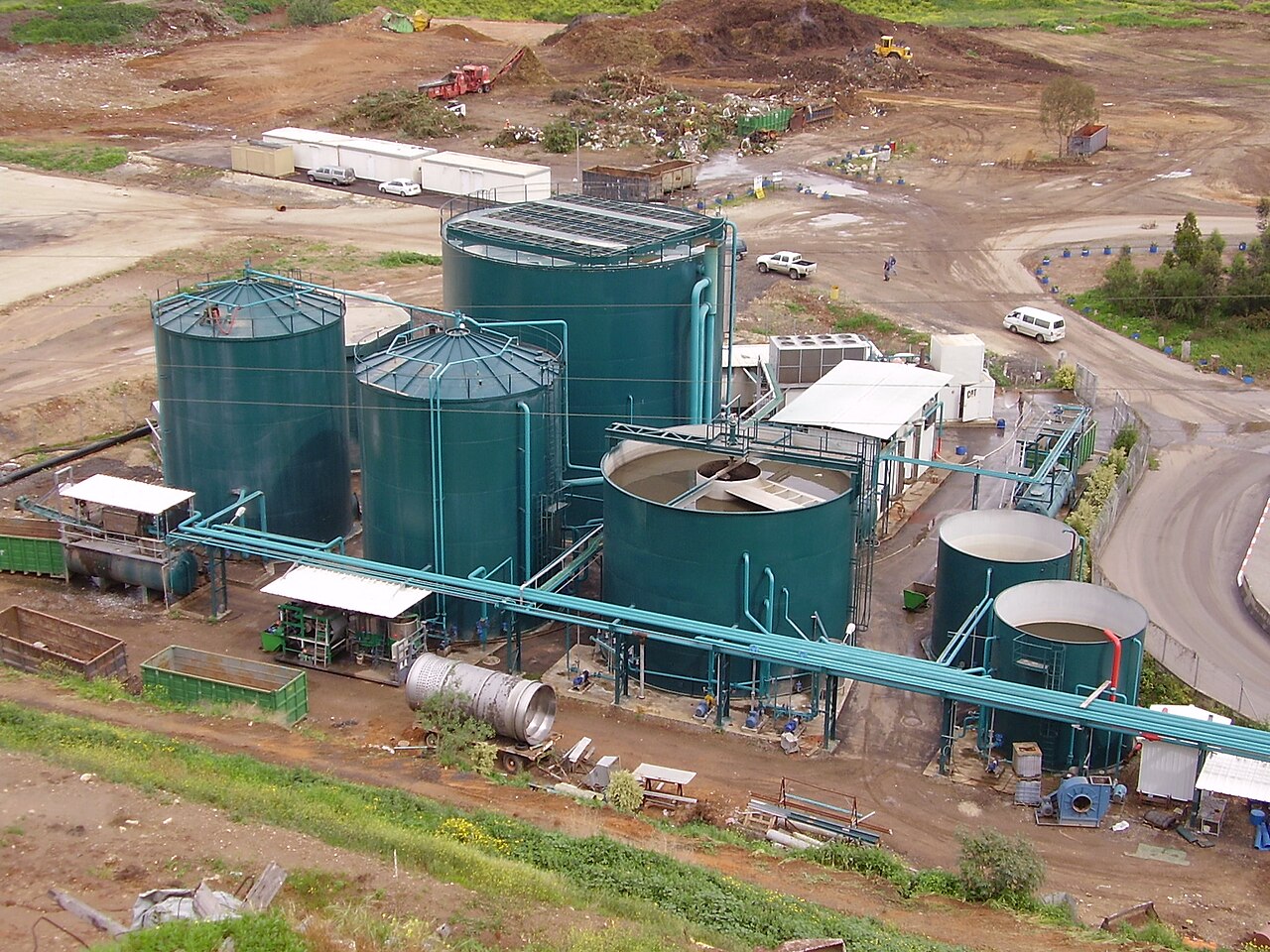
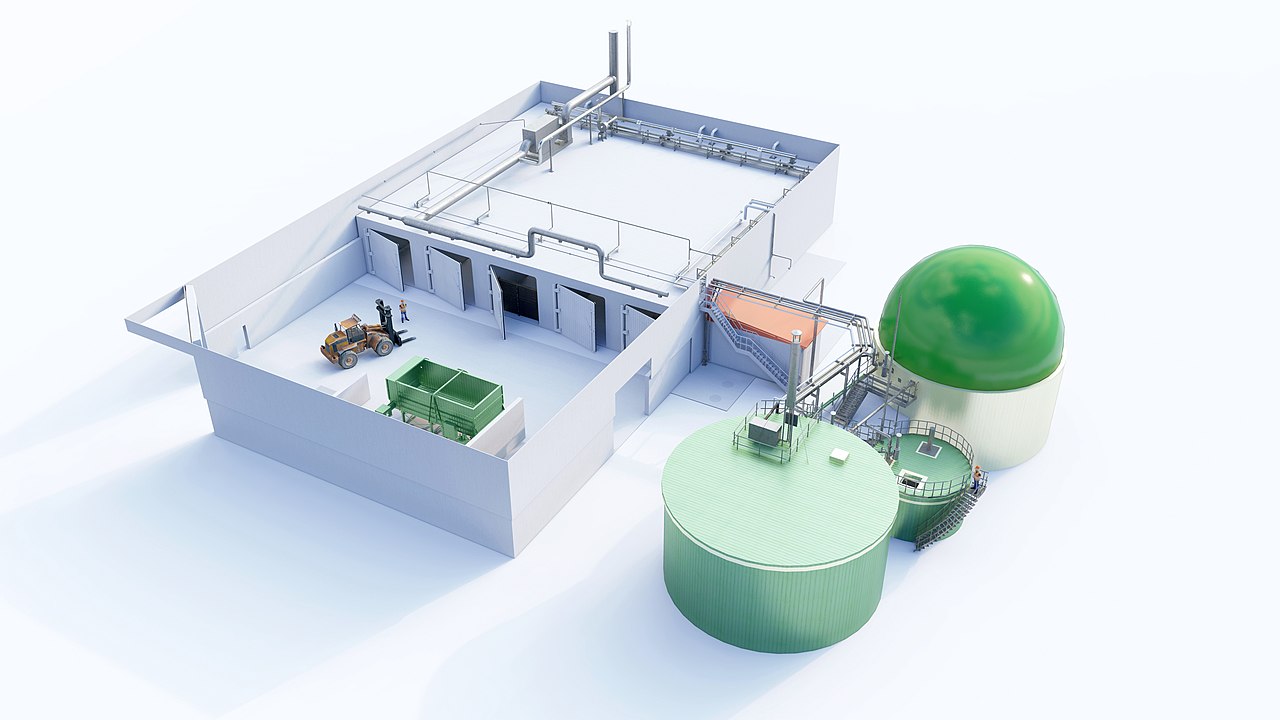
Anaerobic digestion is a biological process in which communities of microorganisms decompose organic matter in the absence of oxygen. It occurs naturally in wetlands, landfills and animal digestive tracts, and is harnessed in engineered systems — anaerobic digesters — to treat organic waste and recover energy.
Image gallery
10 Images



Key stages and biology
The transformation proceeds in linked microbial stages: hydrolysis (breaking complex polymers), acidogenesis (production of volatile fatty acids), acetogenesis (formation of acetate, hydrogen and carbon dioxide) and methanogenesis (production of methane by archaea). Each stage is performed by different groups of microbes and requires balanced conditions of pH, temperature and nutrients.
Systems, feedstocks and operation
Digesters accept a wide range of feedstocks, from sewage sludge and food waste to agricultural residues. Common operational choices include mesophilic versus thermophilic temperatures, wet versus dry processes, and batch or continuous flow designs. Co-digestion of complementary wastes can improve stability and gas yield.
Products and uses
- Biogas: a combustible mixture primarily of methane and carbon dioxide that can be used to generate heat, electricity or upgraded to biomethane for grid injection or vehicle fuel (see biogas information).
- Digestate: the residual material is often stabilized and returned to land as a nutrient-rich amendment.
Benefits and challenges
Advantages include renewable energy generation, reduced organic waste volumes, pathogen reduction and recycling of nutrients. The process is a form of biodegradation that contributes to lower greenhouse gas emissions when managed properly. Challenges include feedstock variability, inhibitory compounds (e.g., ammonia or sulfides), capital costs and the need for gas cleaning and careful process control.
Notable facts and applications
Industrial anaerobic digestion is widely used at wastewater treatment plants, farms and dedicated biogas facilities. It links waste management with renewable energy and circular nutrient use, making it a key technology in sustainable waste and energy strategies. Research continues on pretreatment methods, microbial ecology and integration with energy systems to improve efficiency and broaden adoption.
Questions and answers
Q: What is anaerobic digestion?
A: Anaerobic digestion is the process by which microorganisms break down organic matter without oxygen.
Q: Is anaerobic digestion a natural process?
A: Yes, anaerobic digestion is a natural process that occurs without the presence of oxygen.
Q: What is an anaerobic digester?
A: An anaerobic digester is an industrial system that supports the process of anaerobic digestion.
Q: What is the main purpose of using biodegradation to treat waste?
A: The main purpose of using biodegradation to treat waste is to break down organic matter and convert it into useful materials.
Q: What is the other purpose of anaerobic digestion?
A: The other purpose of anaerobic digestion is to generate biogas, which can be used as a fuel.
Q: What is produced by anaerobic digestion besides biogas?
A: Besides biogas, anaerobic digestion also produces soil improving material.
Q: What are the benefits of anaerobic digestion?
A: The benefits of anaerobic digestion include reducing waste disposal costs, producing renewable energy in the form of biogas, and creating useful materials for agriculture.
Related articles
Author
AlegsaOnline.com Anaerobic digestion: microbial breakdown of organic matter and biogas production Leandro Alegsa
URL: https://en.alegsaonline.com/art/3734
Sources
- foe.co.uk : Friends of the Earth
- wasteresearch.co.uk : Anaerobic Digestion
- remade.org.uk : Anaerobic Digestion