
Fumihiko Maki: Japanese architect and Pritzker Prize laureate
Fumihiko Maki (born 1928) is a Japanese architect known for refined modernism, urban projects such as Hillside Terrace and 4 World Trade Center, and for receiving the 1993 Pritzker Architecture Prize.
Fumihiko Maki (槇 文彦, born September 6, 1928) is a Japanese architect whose work bridges modernist principles and a subtle, context-aware approach to urban design. He established the practice Maki and Associates and has had a long career designing civic buildings, cultural facilities and mixed-use complexes in Japan and abroad. For background on Japanese name order see family name conventions.
Image gallery
10 Images




Architectural approach
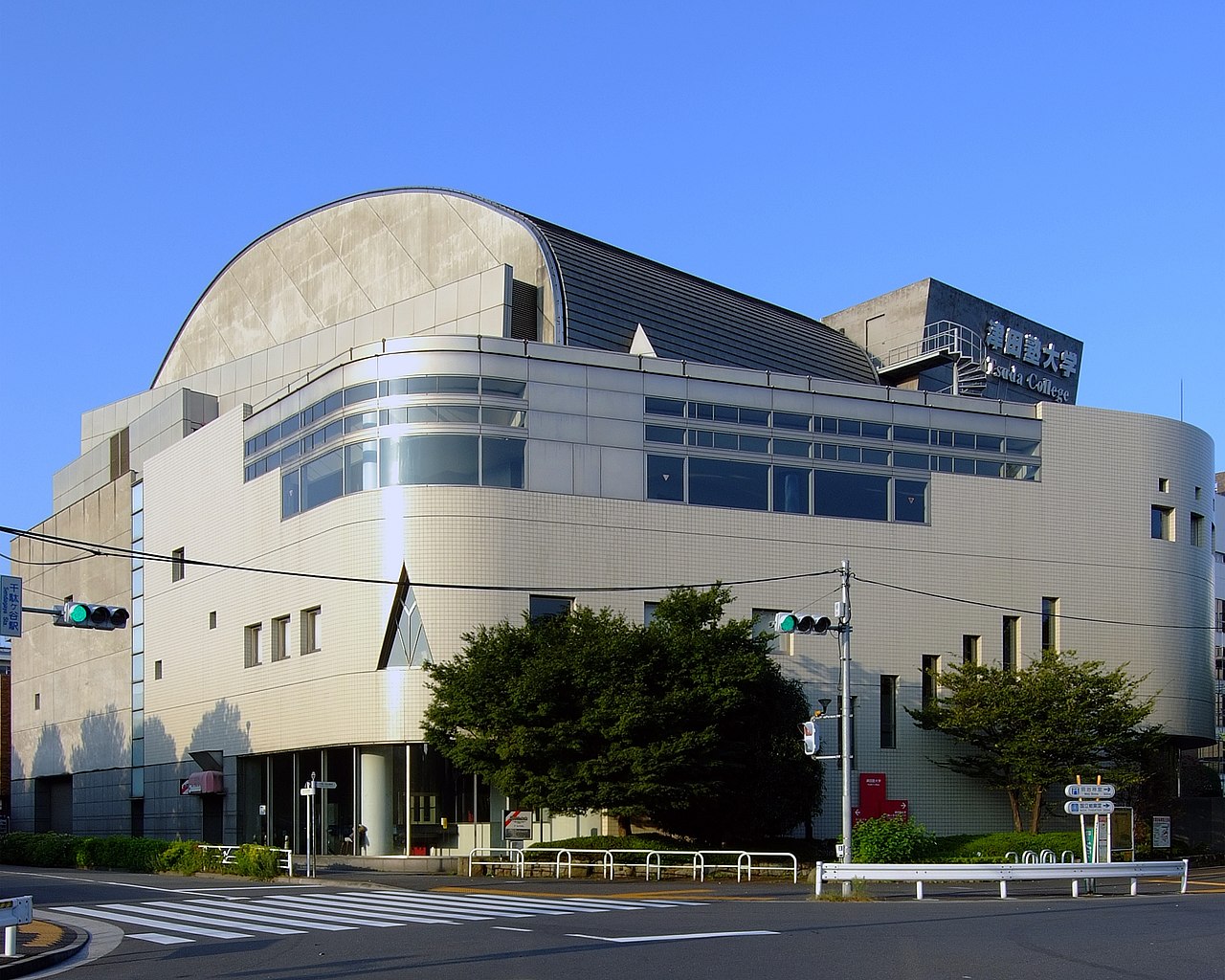
Maki's buildings are often noted for restraint, careful proportion and an attention to materiality rather than overt ornament. He favors compositions that respond to surrounding urban patterns, using modularity, lightness and clear structural logic to create adaptable spaces. Critics and scholars highlight his ability to combine international modernist ideas with an appreciation for Japanese spatial subtleties.
Notable projects
- Hillside Terrace complex in Tokyo — an influential, multi-phase urban development that blends housing, galleries and small commercial spaces.
- Spiral cultural complex in Tokyo's Aoyama district — a civic and gallery space associated with contemporary art and design.
- 4 World Trade Center in New York City — a major international commission illustrating Maki's work in a dense urban context.
Awards and influence
In 1993 Maki received the Pritzker Architecture Prize, widely regarded as architecture's highest honor, recognizing his contributions to both building design and urban thinking. His work has influenced generations of architects interested in combining modernist discipline with sensitive urban insertion and material refinement.
Further reading and resources
Short biographies and collections of his projects are available from multiple architectural sources: biographical overview, project galleries and critical essays. For information on the Pritzker Prize and its citation for Maki, see award details.
Related articles
Author
AlegsaOnline.com Fumihiko Maki: Japanese architect and Pritzker Prize laureate Leandro Alegsa
URL: https://en.alegsaonline.com/art/37007
Sources
- pritzkerprize.com : "Fumihiko Maki, 1993 Laureate"