
G. Ledyard Stebbins: Plant Evolutionary Biologist and Geneticist
American botanist and geneticist G. Ledyard Stebbins (1906–2000) synthesized plant genetics and evolution in his landmark work, clarifying roles of hybridization and polyploidy in plant speciation.
George Ledyard Stebbins Jr. (6 January 1906 – 19 January 2000) was an American botanist and a pioneering plant scientist whose research helped to bring plants into the mainstream of evolutionary theory. Trained as a geneticist and natural historian, he was widely regarded as one of the major evolutionary biologists of the twentieth century. Stebbins combined field observation with laboratory work to examine how genetic change produces the diversity of flowering plants.
Image gallery
4 Images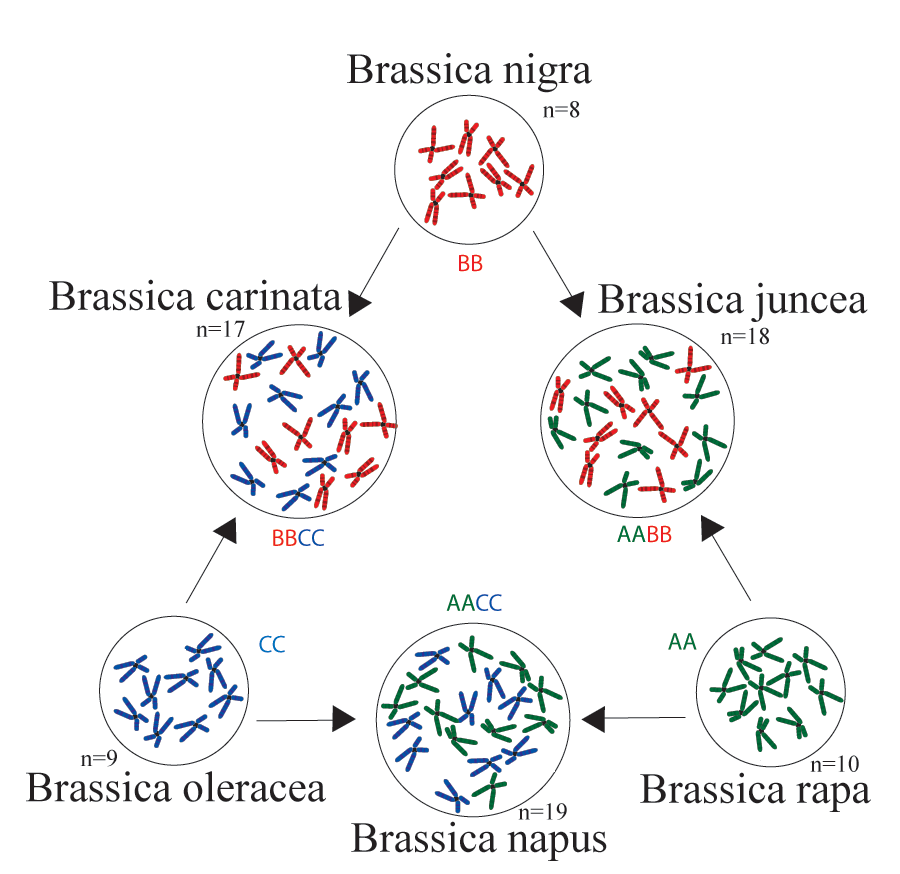


Education and career
Stebbins completed doctoral studies in botany at Harvard University (Ph.D., 1931) and then spent most of his professional life on the faculty at the University of California, Berkeley. At Berkeley he taught courses in botany and genetics, supervised graduate students, and developed research programs that linked cytogenetics, population genetics, and systematics. His scholarly activity extended from laboratory cytology to broad surveys of plant groups in their natural habitats.
Major work and ideas
Stebbins is best known for his book Variation and Evolution in Plants, a synthesis that applied Mendelian and population genetics to Darwinian concepts. In this work he explored processes such as natural selection and genetic drift in plants, tracing how variation becomes structured into new taxa. He explicitly discussed Darwin's role in framing evolutionary questions (Darwin) and described mechanisms of natural selection relevant to plant life histories. The book treated plant speciation as a genetic and ecological process and helped integrate botany into the broader modern evolutionary synthesis. Colleagues including Ernst Mayr later emphasized its strong influence, likening its impact for botany to the influence of Dobzhansky on population genetics.
Mechanisms emphasized: hybridization and polyploidy
Two themes recur in Stebbins's work: hybridization and polyploidy. He documented how hybrid crosses between species can generate novel combinations of traits that sometimes lead to the origin of new, reproductively distinct lineages. He also described polyploidy—whole‑genome duplication—as a common and important route to speciation in plants. Rather than viewing these processes as rare anomalies, Stebbins argued they are central to understanding the rapid diversification seen in many plant groups.
Contributions, outreach and legacy
Stebbins's scholarship shaped subsequent research programs in evolutionary botany and inspired laboratory and field studies of chromosomal evolution, reproductive isolation, and biogeography. Beyond research he was active in public science: he advised curriculum development for evolution-based education in California high schools and worked on programs to conserve rare plants. His influence is reflected in scientific citations, graduate students he trained, and continuing debates about the relative roles of hybridization and polyploidy in diversification.
- Key publication: Variation and Evolution in Plants — synthesis of genetics and plant evolution.
- Primary topics: hybridization (hybridization), polyploidy, speciation.
- Honors: elected to national scientific bodies and awarded the National Medal of Science.
- Institutional ties: Harvard, UC Berkeley.
For readers seeking more context on Stebbins's place in twentieth‑century biology, comparisons are often drawn between his role in botany and the contributions of influential geneticists who integrated Mendelian genetics with systematics and evolutionary theory. Biographical and bibliographic resources that document his publications and influence can be found through institutional archives and specialized histories of the modern synthesis era. Additional materials and remembrances are available from scientific societies and university collections that preserve his correspondence and papers (botanical archives, research collections, genetics archives, evolutionary biology, academic repositories, campus libraries, historical sources, selection studies, speciation research, Mayr analyses, Dobzhansky comparisons, population genetics reviews, hybridization case studies, honors lists, education initiatives).
Questions and answers
Q: Who was George Ledyard Stebbins?
A: George Ledyard Stebbins, Jr. was an American botanist and geneticist who was one of the leading evolutionary biologists of the 20th century.
Q: Where did he receive his PhD?
A: He received his PhD in botany from Harvard University in 1931.
Q: What is his most important publication?
A: His most important publication is Variation and Evolution in Plants, which combined genetics and Darwin's theory of natural selection to describe plant speciation.
Q: What impact did this book have on botany?
A: This book had the same impact on botany as Dobzhansky's book in population genetics, integrating the widely scattered literature of plant evolution and providing abundant suggestions for further research.
Q: What other areas did Stebbins research?
A: He also researched and wrote widely on the role of hybridization and polyploidy in speciation and plant evolution; his work in this area has had a lasting influence on research in the field.
Q: What awards did he receive during his career?
A: He was elected to the National Academy of Science, was awarded the National Medal of Science.
Q: What other activities was he involved with?
A: He was involved in the development of evolution-based science programs for California high schools, as well as the conservation of rare plants in that state.
Related articles
Author
AlegsaOnline.com G. Ledyard Stebbins: Plant Evolutionary Biologist and Geneticist Leandro Alegsa
URL: https://en.alegsaonline.com/art/37119