
G. D. Agrawal (Sant Swami Sanand) — Indian environmentalist and monk
G. D. Agrawal (1932–2018), also known as Sant Swami Sanand, was an Indian environmental engineer, former academic and monk notable for hunger strikes to protect the Ganga and oppose river damming.

Overview
G. D. Agrawal (20 July 1932 – 11 October 2018), who later adopted the names Sant Swami Sanand and Sant Swami Gyan Swaroop Sanand, combined a technical background with religious faith to campaign for the protection of the River Ganga. Trained and experienced as an environmental engineer and academic, he became a monk and used nonviolent direct action—most notably prolonged hunger strikes—to press for policy changes on river management and pollution control.
Image gallery
2 Images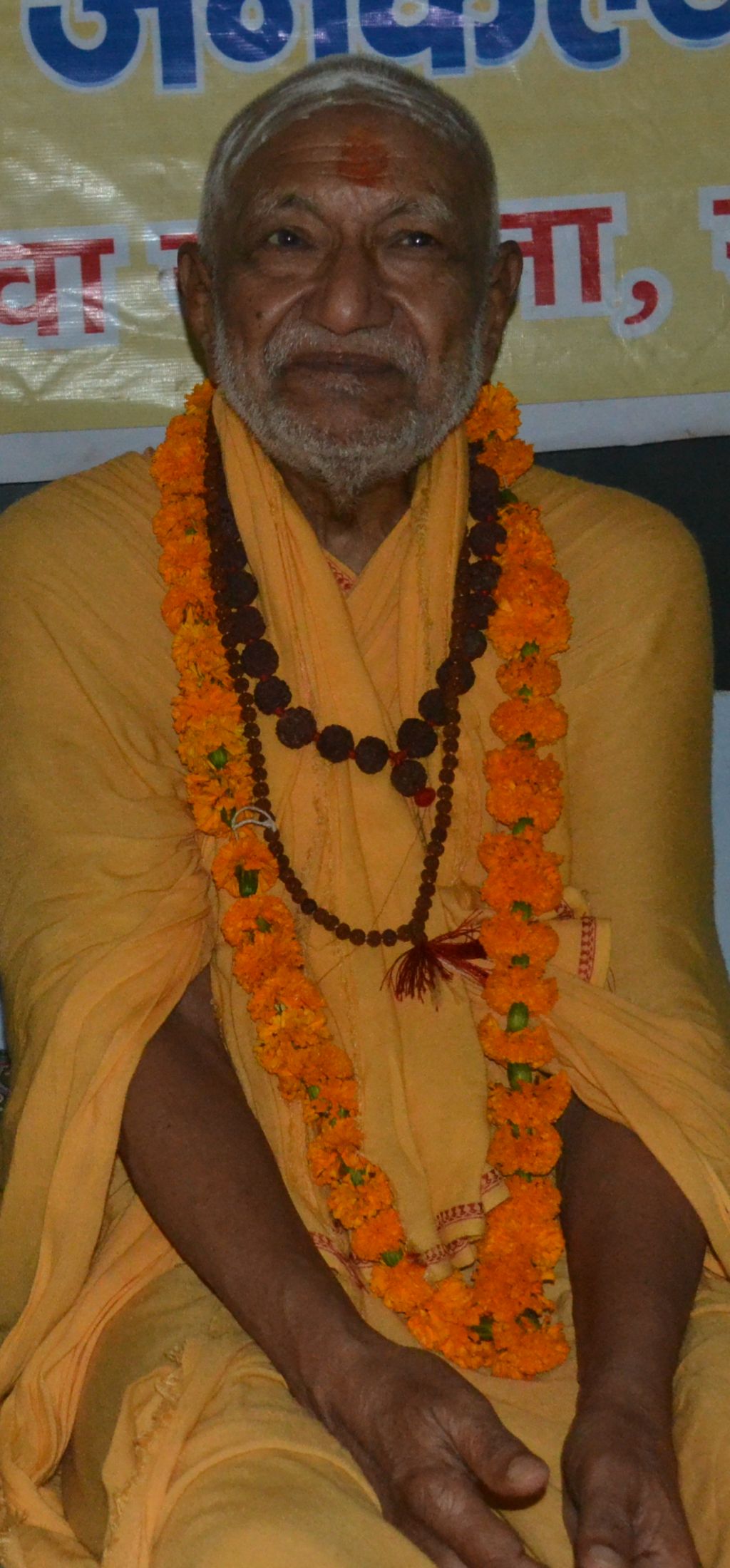

Career and religious life
Agrawal spent much of his life in academia and environmental practice before taking monastic vows. He was known for his technical understanding of river systems and water pollution, which he later framed within a spiritual commitment to restore the Ganga. He served in leadership roles in organizations dedicated to the river's welfare, including the historic Ganga Mahasabha, an NGO with roots in early 20th-century Indian river conservation.
Activism: hunger strikes and demands
Agrawal's public profile arose from a series of fasts undertaken to draw attention to river health and to oppose constructions he judged harmful, such as diversion projects and dams on headstreams of the Ganga. His tactics were deliberate and ascetic: long fasts, often in public or in religious settings, intended to compel authorities to meet specific environmental demands.
- Key aims: halt or reconsider dam construction on the Ganga's upper reaches; ensure environmental flows (minimum river discharge) to sustain ecology and livelihoods; implement more effective pollution control and river-cleaning measures.
- Notable result: a fast in 2009 was widely credited with halting certain plans to dam the Bhagirathi River.
Methods, public response and controversies
Agrawal's approach combined scientific argument, religious symbolism and civil disobedience. Supporters praised his moral clarity and technical grounding; critics questioned the effectiveness of individual fasts as a long-term governance strategy and raised concerns about the risks to his health. His stands highlighted tensions between development (hydropower, irrigation) and ecological conservation that are central to river policy debates in South Asia.
Final fast and legacy
In 2018 Agrawal began a hunger strike on 22 June to demand renewed governmental action on cleaning and protecting the Ganga. His death on 11 October 2018 followed after months of fasting; contemporary reports described his passing as caused by heart failure complicated by starvation (news report and medical account). The fast had been started to press authorities to honor commitments to river restoration (chronology of the protest).
Agrawal's life is remembered for bridging technical expertise and spiritual conviction in environmental advocacy. His campaigns brought public attention to river flows, water quality and the social impacts of river engineering, and they remain a reference point in discussions about how to balance development and river conservation.
Related articles
Author
AlegsaOnline.com G. D. Agrawal (Sant Swami Sanand) — Indian environmentalist and monk Leandro Alegsa
URL: https://en.alegsaonline.com/art/37132
Sources
- drishtikone.com : "Professor GD Agrawal's Fast unto death over Dam on Bhagirathi"
- headlinestoday.org : "'Ganga Activist' GD Agrawal, On Fast From About 4 Months For Clean Ganga, Dies At 87 - HeadLines Today"