
Fyodor Tyutchev: Russian Lyric Poet and Diplomat
Overview of Fyodor Ivanovich Tyutchev (1803–1873), his life as a diplomat in Europe, poetic themes and style, and his place in Russian literature.
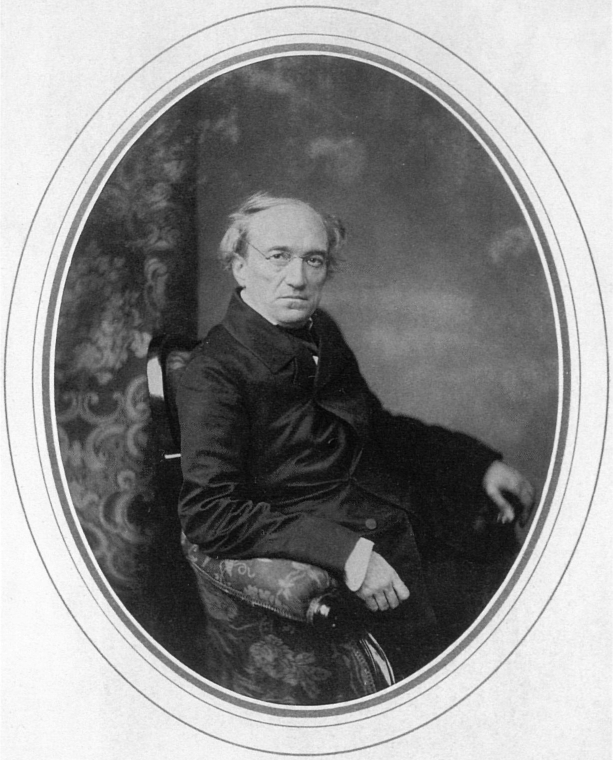
Fyodor Ivanovich Tyutchev (1803–1873) was a Russian poet and career diplomat whose compact, philosophical lyrics have been counted among the most distinctive of 19th‑century Russian verse. Although he spent large stretches of his working life abroad and preferred privacy over literary fame, his poems—often short, aphoristic, and densely imagistic—later became central to Russian poetic discourse.
Image gallery
5 Images


Life and diplomatic career
Born into the Russian gentry, Tyutchev entered the imperial diplomatic service as a young man and spent almost two decades posted in German and Italian cities. During these years he moved in intellectual circles, met European thinkers and writers, and absorbed ideas of German Romanticism. His time in Munich and Turin shaped both the philosophical cast and the European references of his work while he continued to serve the Russian state in a professional capacity.
Poetic characteristics and themes
Tyutchev's poetry is noted for its brevity, concentrated thought and strong natural imagery. He frequently explored themes of nature, the limits of human knowledge, the inner life, and metaphysical doubt. Rather than narrative or long‑form description, his best known lyrics are compact meditations that leave much unsaid and invite repeated reading.
Reputation, influences and relationships
Although Tyutchev mistrusted literary publicity and did not cultivate a public role as a poet, he was not isolated from European currents: he knew and corresponded with prominent intellectuals of his time and has been associated in accounts with figures such as Heinrich Heine and the German idealist circle. His work draws on Romantic and philosophical sources while pointing forward to later Russian movements that prized symbolic and condensed expression.
Legacy and notable facts
Tyutchev's verse achieved wider recognition after his death and is now read both for its linguistic precision and its philosophical depth. A number of short poems have become staples of Russian culture and school curricula. Critics often call him a "poet of thought" because of his habitual fusion of emotion and reflection. He remains a distinctive voice between the European Romantic tradition and the emerging tendencies of Russian modern poetry.
Further reading
- Biography and selected texts
- Chronology and life events
- Collected poems and translations
- Critical essays and analysis
- Context: Russian literature of the 19th century
- Textual archives and manuscripts
- Munich years and European contacts
- Turin and Italian connections
- Correspondence with contemporaries
- Selected critical bibliography
Note: Tyutchev's short, aphoristic poems reward close reading and are frequently anthologized; readers who encounter one of his compact lyrics will often find it opens onto larger philosophical questions about nature, knowledge and the self.
Questions and answers
Q: When was Fyodor Ivanovich Tyutchev born?
A: Fyodor Ivanovich Tyutchev was born on December 5 1803.
Q: When did he die?
A: He died on July 27, 1873.
Q: Where did he spend almost 20 years of his life?
A: He spent almost 20 years of his life in Munich and Turin.
Q: Who were some of the people that Tyutchev knew?
A: Tyutchev was a good friend of Heinrich Heine and knew Schelling as well.
Q: What did Tyutchev not want people to know him as?
A: Tyutchev didn't want people to know him as a poet.
Q: What part in literary life did he not take? A: He didn't take any part in a literary life.
Related articles
Author
AlegsaOnline.com Fyodor Tyutchev: Russian Lyric Poet and Diplomat Leandro Alegsa
URL: https://en.alegsaonline.com/art/37117
Sources
- ruthenia.ru : Tyutcheviana (in russian)
- ruthenia.ru : Translations of some poems into different languages
- poemhunter.com : References bibliography about Fyodor Tyutchev