
General Secretary of the Chinese Communist Party
The General Secretary is the top official of the Chinese Communist Party, a Politburo Standing Committee member who leads the party apparatus and — typically — China's paramount leader and military commander.
Overview
The General Secretary is the highest-ranking official of the Communist Party of China and the principal leader within the party's organizational structure. As a standing member of the Politburo and head of the Secretariat, the General Secretary directs party policy, coordinates the party-state relationship, and is commonly regarded as the country’s paramount leader. The office is embedded in the party constitution and functions at the center of China’s political system. Prominent contemporary descriptions of the role appear in materials about party leadership and the party apparatus.
Image gallery
3 Images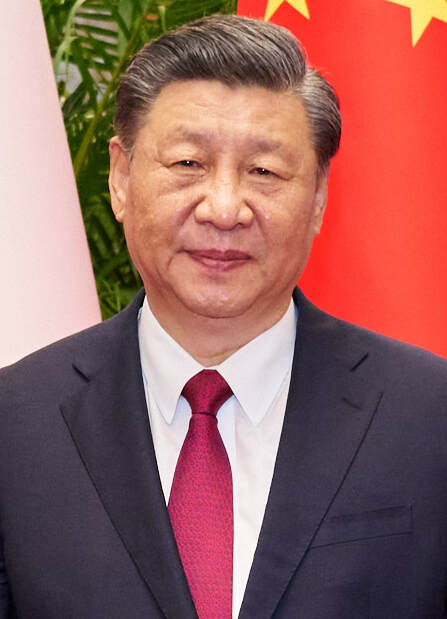


Roles and responsibilities
The General Secretary carries several key responsibilities, formal and informal. Formally, the officeholder is a member of the Politburo Standing Committee and head of the Secretariat, and typically chairs or controls the Central Military Commission, making them commander-in-chief of the armed forces in practice. Informally, the General Secretary sets the strategic priorities of the party, oversees senior personnel appointments across party and state organs, and shapes major domestic and foreign policy directions. Descriptions of these functions are often linked to analyses of the political system and leadership practice in China.
History and development
The position has evolved since the founding of the party in 1921. In the Mao era the top leader used the title Chairman of the Communist Party; after institutional reforms in the late 20th century the title General Secretary became the principal office for the party leader. Since the 1990s, leaders have usually combined the General Secretaryship with the post of President of the People’s Republic of China and the chairmanship of the Central Military Commission, consolidating party, state and military authority in a single individual. For context and timelines see studies of Chinese political development.
Selection and tenure
The General Secretary is formally elected by the Central Committee of the Communist Party, typically at the first plenary session that follows a Party Congress. Party norms established in the late 20th century encouraged collective leadership and fixed-term transitions, with two five-year terms becoming a common practice for top leaders. In recent years those norms have shifted, and the specifics of tenure and succession remain determined by the party’s internal processes and conventions. Official explanations and announcements are published in party channels such as party communications and central reports.
Importance and contemporary practice
As the party’s chief official, the General Secretary wields decisive influence over China’s domestic governance and international posture. The office coordinates policy among the party, the government, and the military, and plays a central role in personnel decisions that affect provincial and national administrations. The current General Secretary is Xi Jinping, who assumed the office on 15 November 2012 and has since been a focal point of analyses of modern Chinese governance and leadership consolidation. For further reading and official statements consult resources on current leadership.
Notable distinctions
- The General Secretary is distinct from the state presidency and the government premier: the first is a party post, the second a state post, and the third heads the government council, though in practice one person often holds multiple offices.
- The office embodies both party authority and, through customary overlap with the Central Military Commission, control of the armed forces; this dual role underpins the position’s centrality.
- The office’s scope and informal powers can change with party rules and internal conventions, making the role both institutional and politically contingent.
Related articles
Author
AlegsaOnline.com General Secretary of the Chinese Communist Party Leandro Alegsa
URL: https://en.alegsaonline.com/art/37962