
Galerius: Roman emperor and Tetrarch (c. 250–311)
Roman emperor Galerius rose from soldier to Augustus under Diocletian's Tetrarchy, ruled the eastern provinces (305–311), known for military command, persecution of Christians, and a final edict of toleration.
Overview
Gaius Galerius Valerius Maximianus (commonly called Galerius; c. 250 – 5 May 311) was a senior Roman imperial figure who rose from provincial soldiering to become one of the ruling emperors of the late third and early fourth centuries. He is best known for his role in the institutional system known as the Tetrarchy and for policies that included vigorous military leadership and a fluctuating approach to Christianity.
Image gallery
8 Images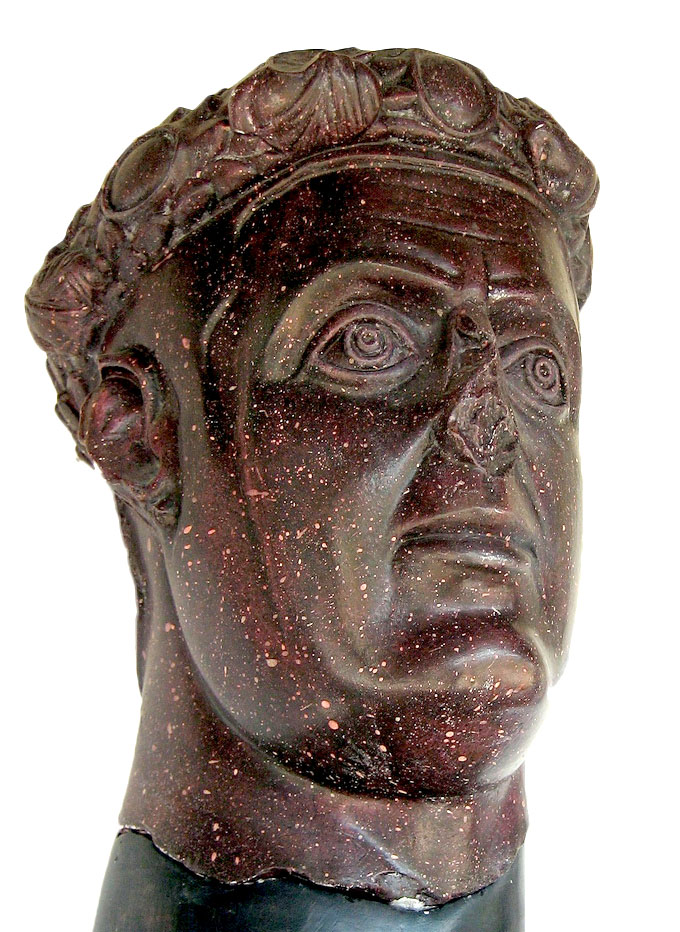
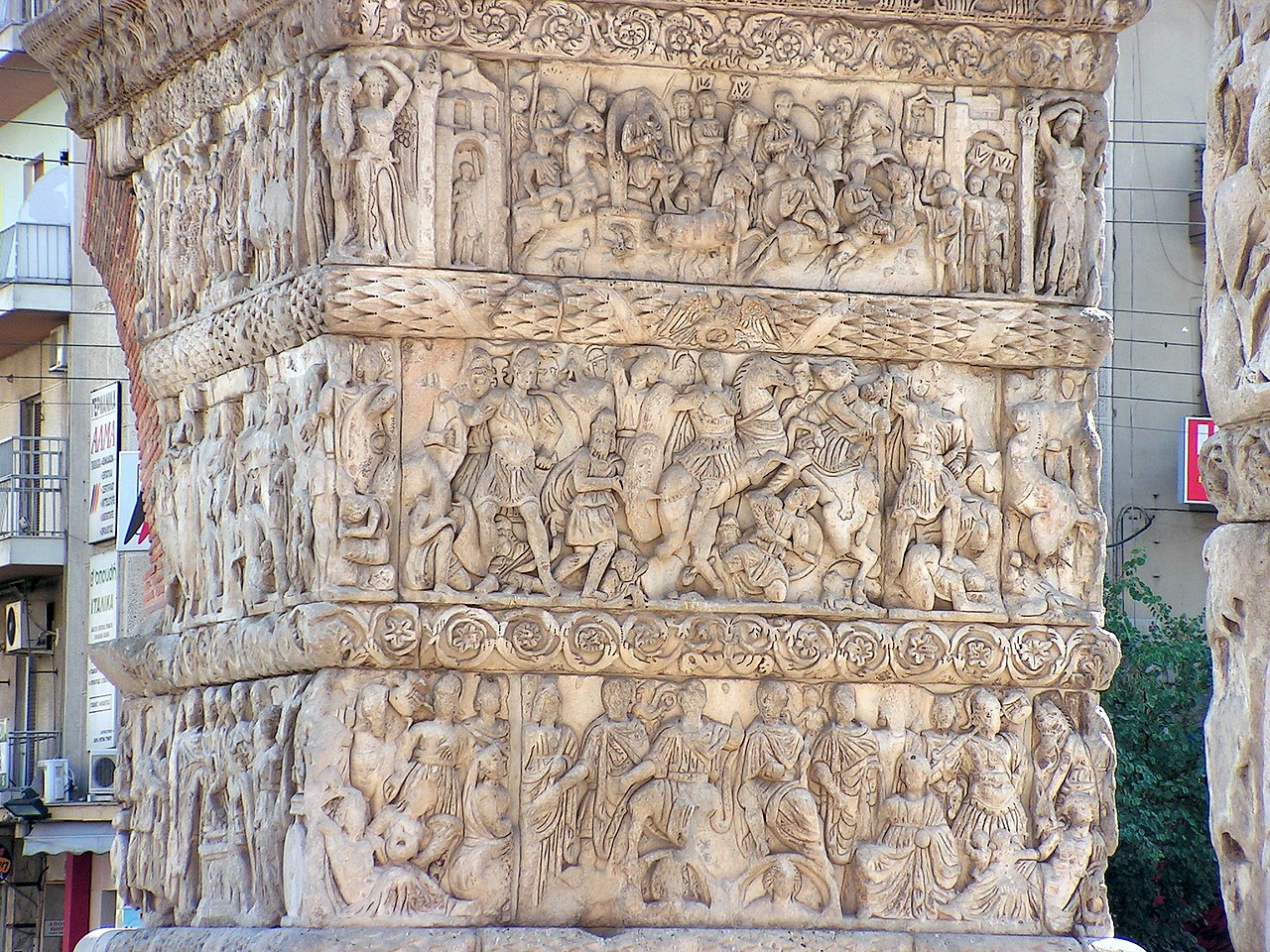

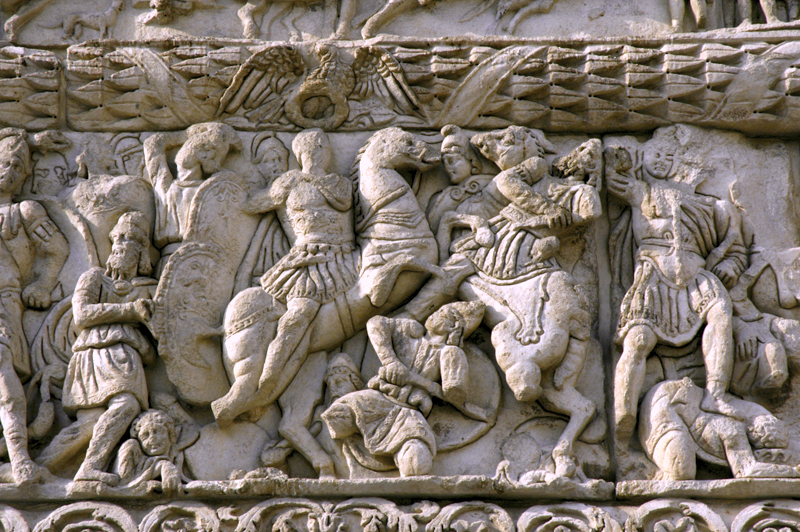


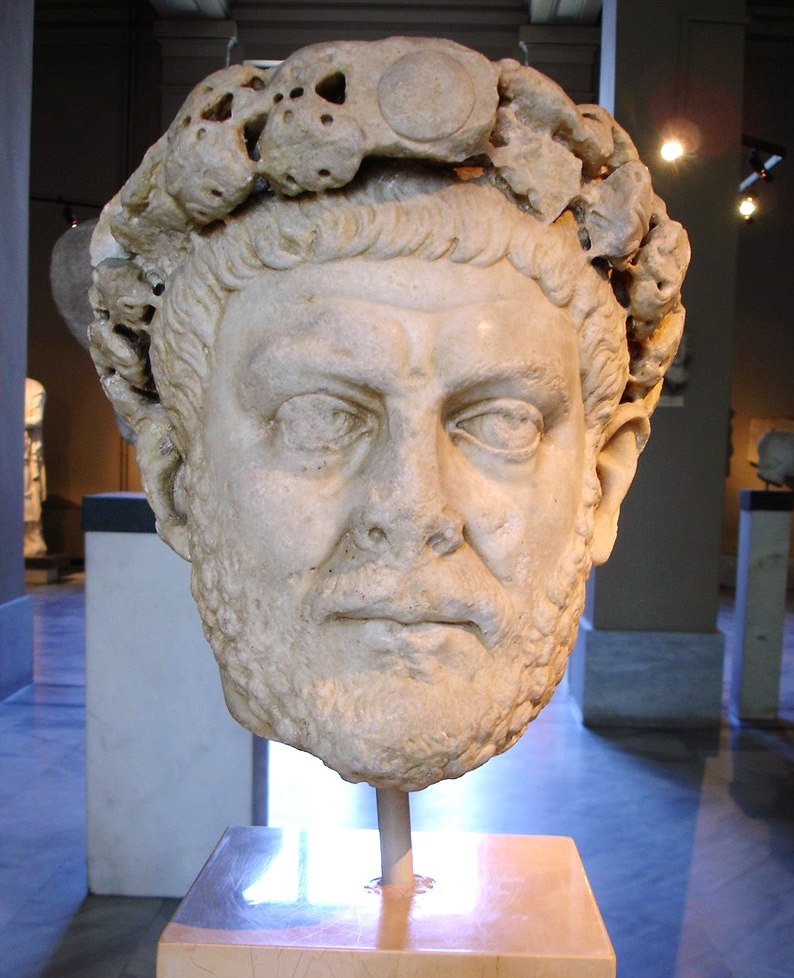
Rise under the Tetrarchy
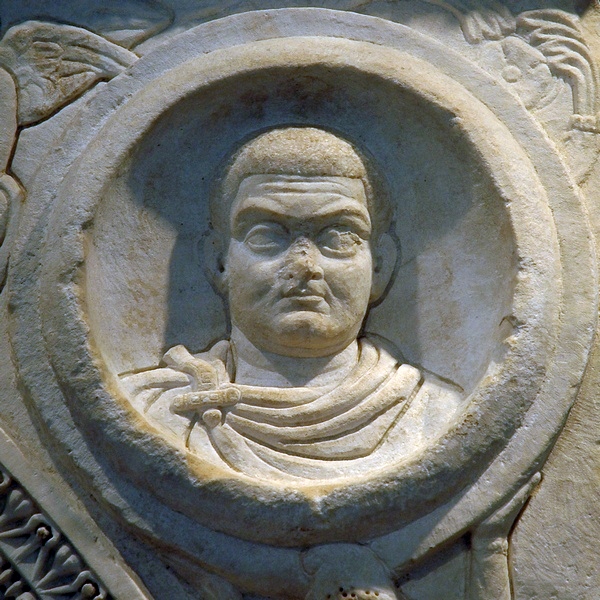
Galerius earned distinction in the army and became a close subordinate of Emperor Diocletian when the tetrarchic system was established. Under that arrangement he received the rank of Caesar in 293 and married Diocletian’s daughter Valeria, cementing his political ties to the senior emperor. As part of his appointment he was given control of the western Balkan zone often described as the Illyrian provinces, a region that served as a recruitment base for troops and a power center within the imperial college.
Military command and governance
As a member of the imperial college Galerius combined military command with administrative duties. He took part in campaigns on Rome’s frontiers, notably in the East, where Roman forces engaged rival powers and sought to secure borders and prestige. His reputation among contemporaries and later writers emphasizes a hard-edged temperament and strict enforcement of imperial policies, traits that shaped his dealings with both soldiers and civilians.
Religious policy and the 311 edict
Galerius was a principal architect of the persecution of Christians carried out during the late Diocletianic age, enforcing measures intended to strengthen traditional Roman religion and imperial unity. In a striking reversal near the end of his life he issued an edict of toleration in 311, which allowed Christians to practice their faith openly under certain conditions. That proclamation is frequently cited as a turning point toward the eventual acceptance of Christianity within the empire.
Death and historical significance
Galerius died on 5 May 311. His death removed a stabilizing—if authoritarian—figure from the tetrarchic arrangement and contributed to the renewed power struggles among surviving colleagues and claimants. Historians view him as an energetic military leader and administrator whose policies accelerated both imperial reform and the political fragmentation that followed the Tetrarchy’s collapse.
Notable facts
- He married Valeria, daughter of Diocletian, reinforcing dynastic ties within the Tetrarchy.
- Appointed Caesar in 293, later ruled as Augustus from 305 until his death in 311.
- Initiated strong anti-Christian measures but issued a formal toleration near his death.
- His career illustrates both the strengths and limits of the Tetrarchic system introduced by Diocletian.
Questions and answers
Q: Who was Galerius?
A: Galerius was a Roman Emperor who ruled from 305 to 311.
Q: Was Galerius a successful soldier?
A: Yes, Galerius was a soldier who served with distinction.
Q: When was the Tetrarchy introduced?
A: The Tetrarchy was introduced in 293 by Diocletian.
Q: What rank were Galerius and Constantius Chlorus given under the Tetrarchy?
A: Galerius and Constantius Chlorus were given the rank of Caesar under the Tetrarchy.
Q: Who did Galerius marry?
A: Galerius married Diocletian's daughter Valeria.
Q: What did Galerius do after taking over the Illyrian provinces?
A: The text does not provide information about what Galerius did after taking over the Illyrian provinces.
Q: When did Galerius die?
A: Galerius died on May 5th, 311.
Related articles
Author
AlegsaOnline.com Galerius: Roman emperor and Tetrarch (c. 250–311) Leandro Alegsa
URL: https://en.alegsaonline.com/art/37276