
Fruit tree
A fruit tree is a woody plant cultivated for edible fruit. Article covers definition, structure, types, history, cultivation and distinctions between botanical and culinary uses.
Overview
A fruit tree is a perennial woody plant that develops flowers and produces fruits containing seeds. Botanically, a fruit is the mature ovary of a flowering plant; in everyday language the term usually refers to plant parts that humans regard as edible. For a general introduction see further reading.
Image gallery
3 Images

Structure and characteristics
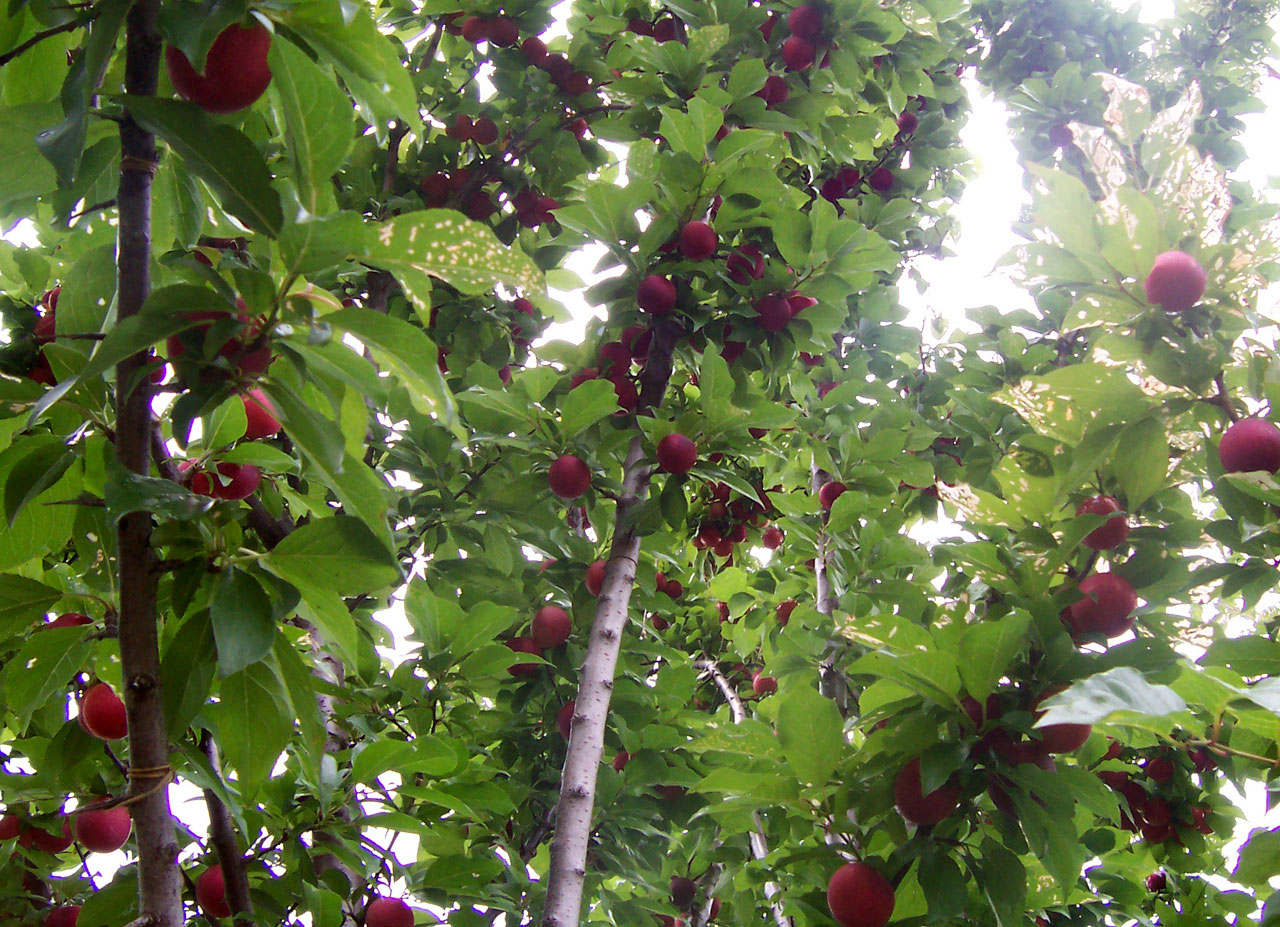
Typical fruit trees have a trunk, branches forming a canopy, buds that become flowers, and roots that anchor and feed the tree. Fruit develops after pollination of the flower and encloses one or more seeds. Growth habit, lifespan and fruiting behavior vary widely between species and cultivars.
Types and examples
Fruit trees may be grouped by fruit type or climate preference. Common categories include:
- Pome fruits (apples, pears)
- Stone fruits (peaches, cherries, plums)
- Citrus (oranges, lemons, limes)
- Tropical fruits (mango, avocado)
- Nut-bearing trees (almond, walnut, Brazil nut)
History and cultivation
Humans have cultivated fruit trees for millennia, selecting varieties for taste, storage and yield. Techniques such as grafting, pruning and irrigation shape trees for reliable production. Many fruit trees require pollinators or compatible varieties to set fruit; orchard management balances productivity with tree health.
Uses, ecology and importance
Fruit trees supply food for people and wildlife, provide shade and carbon sequestration, and are central to agricultural economies. They are grown in home gardens, commercial orchards and agroforestry systems. Proper planting site, seasonal care and pest management influence fruit quality and longevity.
Distinctions and notable facts
Every tree that flowers can produce a botanical fruit, but not every fruit is edible to humans; edibility depends on species and preparation (see guidance). Culinary and botanical definitions of "nut" differ: some items called nuts are true botanical nuts, others are seeds or drupes. For technical notes on seeds and dispersal consult seed biology and on edible versus toxic species consult safety resources.
Related articles
Author
AlegsaOnline.com Fruit tree Leandro Alegsa
URL: https://en.alegsaonline.com/art/36857