
Gall (abnormal plant growths induced by insects, microbes and mites)
A gall is an abnormal growth on plants or other organisms produced in response to parasites such as insects, mites, fungi, bacteria and nematodes; galls serve as habitat and food for the inducer.
Overview
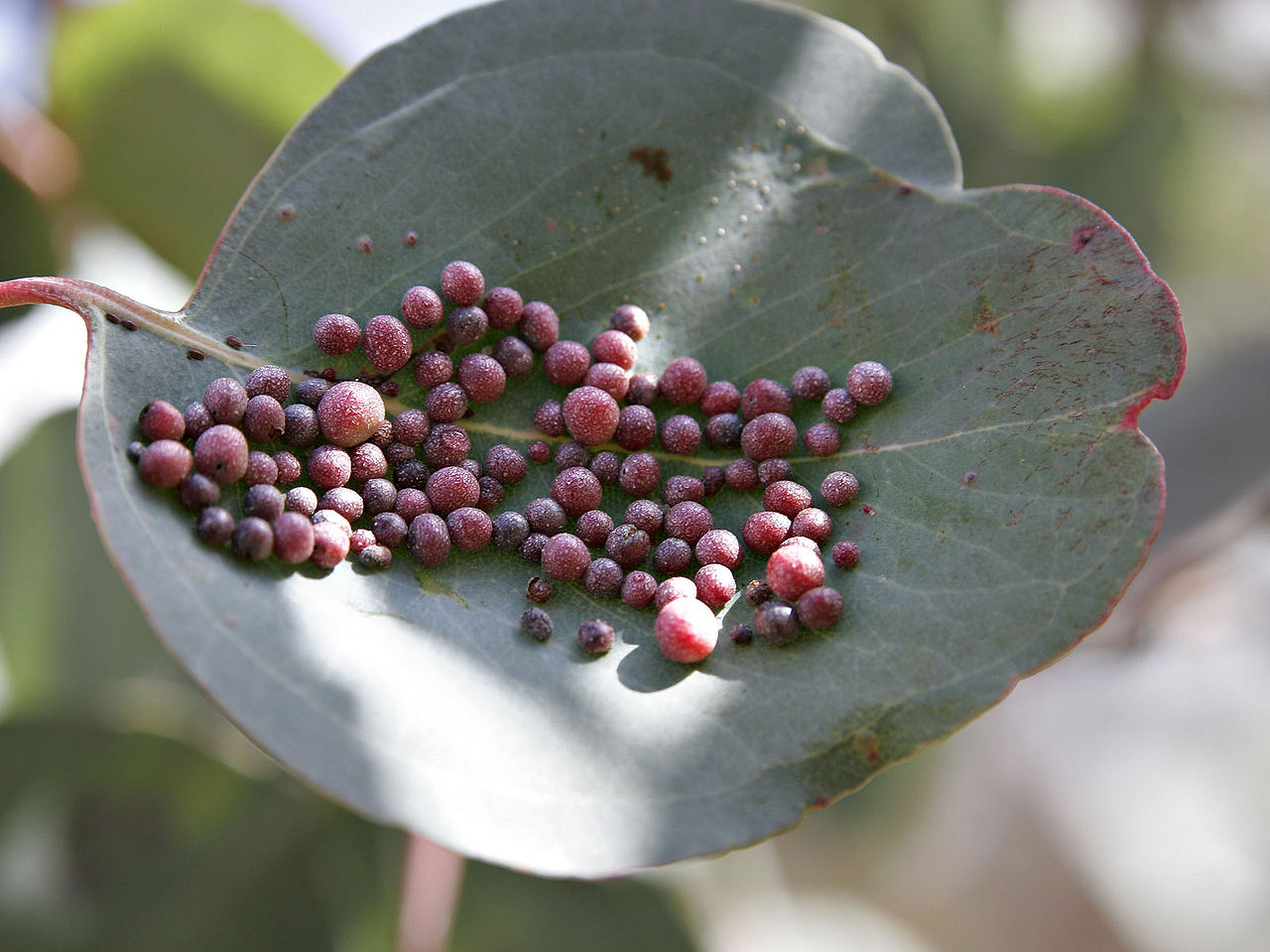
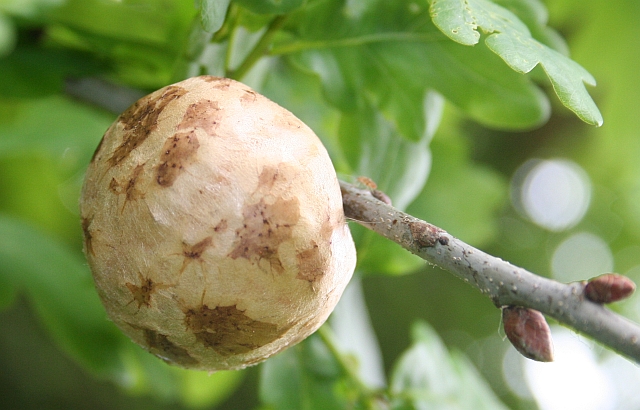
A gall is an atypical growth that appears on plants and occasionally on other organisms when their tissues react to the presence of another organism. Many different groups can induce galls, including bacteria, insects, plant tissues themselves in response to stimuli, fungi, mites and nematodes. The resulting structures are often compared to benign tumors or warts in animals because they represent localized, organized changes in cell growth and differentiation.
Image gallery
10 Images




How galls form and what they contain
Gall formation is a coordinated process in which the inducer manipulates the host's development. Gallers typically deliver chemical signals at a specific time—often when host cell division is active—so that ordinary growth pathways are redirected. Chemicals released by the inducer can alter hormone balances (for example, auxins and cytokinins) and trigger the plant to produce specialized tissues. These tissues frequently include a layer of protective cells plus an internal nutritive region rich in carbohydrates such as starch, which sustains the gall inhabitant. In many insect-induced galls, development begins after eggs are laid or when feeding begins: the larvae or eggs cause the plant to form the gall, and some species' adults may also influence gall initiation.
Types and common examples
Galls occur in many forms and on different parts of the host. Common categories include:
- Leaf galls: swollen bumps, blisters or felted patches on leaves.
- Stem and bud galls: distortions that alter branch or bud shape.
- Root galls: enlargements or knots on roots, commonly caused by root-knot nematodes.
- Flower and fruit galls: changes that can affect reproduction or aesthetics.
Familiar examples are oak galls made by cynipid wasps and the rose bedeguar gall induced by gall wasps. Some bacteria, notably those in the genus Agrobacterium, cause crown gall disease on woody plants, forming tumor-like swellings. Mites of the Eriophyidae family produce tiny, often felted galls on leaves and needles.
Ecology, interactions and impacts
Galls create microhabitats: they provide protection and food for the inducer and also attract predators, parasitoids and inquilines (species that live in the gall without creating it). While many galls have limited effects on the overall health of a mature plant, heavy infestations can reduce vigor, deform tissues or lower crop value. Some gall-makers are important agricultural pests (for example, root-knot nematodes), while others have negligible economic impact and are primarily of natural history interest.
Management, scientific and cultural significance
Control approaches depend on the type of gall and its cause. Cultural methods include removing and destroying galled parts, encouraging natural enemies, and selecting resistant varieties. Timing is critical for chemical or biological control because interventions are most effective when the inducer is exposed outside the protective gall. Galls also have scientific value: they illustrate host manipulation and coevolution, and they are used to study plant development and ecological networks. Historically, some galls—especially oak galls—were harvested for tannins and used in iron-gall inks and dyes, showing how these botanical curiosities have influenced human craft and industry.
For more detailed information and images, consult specialist resources or regional extension services that cover local gall-inducing species and management options. See related topics on diagnosing plant abnormalities, the biology of herbivorous insects, and microbial plant diseases referenced in technical guides and field keys.
bacteria | insects | plant tissues | warts | herbivorous insects | starch | larvae | adults
Questions and answers
Q: What is a gall?
A: A gall is a growth on the surface of plants and other lifeforms caused by parasites such as fungi, bacteria, insects, and mites.
Q: How are plant galls similar to benign tumors or warts in animals?
A: Plant galls are abnormal growths of plant tissues that are similar to benign tumors or warts in animals.
Q: Can the cause of a plant gall be known without the actual agent being there?
A: Yes, the cause of a plant gall can often be known without the actual agent being there as many types of gall have typical structures.
Q: What is the role of insect galls on plants for herbivorous insects?
A: Insect galls on plants give some herbivorous insects their own microhabitat which is plant tissue that is controlled by the insect.
Q: What is the habitat and food source for the maker of the gall?
A: The gall is the habitat and food source for the maker of the gall because it may contain nutritious starch and other tissues.
Q: How do insect galls protect insects from predators?
A: Insect galls often give the insect physical protection from predators.
Q: How do insects induce galls on plants?
A: Insects induce galls on plants by injecting chemicals into the plants, and in order to form galls, they must seize the time when plant cell division occurs quickly, usually in the growing season which is longer in the tropics.
Related articles
Author
AlegsaOnline.com Gall (abnormal plant growths induced by insects, microbes and mites) Leandro Alegsa
URL: https://en.alegsaonline.com/art/37299
Sources
- m-w.com : m-w.com/dictionary
- homepages.ed.ac.uk : The adaptive significance of insect gall morphology