
Galegeae: a tribe of papilionoid legumes in the subfamily Faboideae
Galegeae is a tribe of the legume subfamily Faboideae centered on the genus Galega. Members are papilionoid legumes found mainly in the Northern Hemisphere and valued for forage and nitrogen fixation.
Overview
Galegeae is a botanical tribe within the pea family subfamily Faboideae. Its type genus is Galega, and the tribe comprises a group of related genera that share the typical papilionaceous (pea-like) flower structure of this subfamily. Members range from herbaceous perennials to shrubs and in a few cases small trees.
Image gallery
3 Images

Key characteristics
Plants placed in Galegeae typically show the following traits, common to many papilionoid legumes:
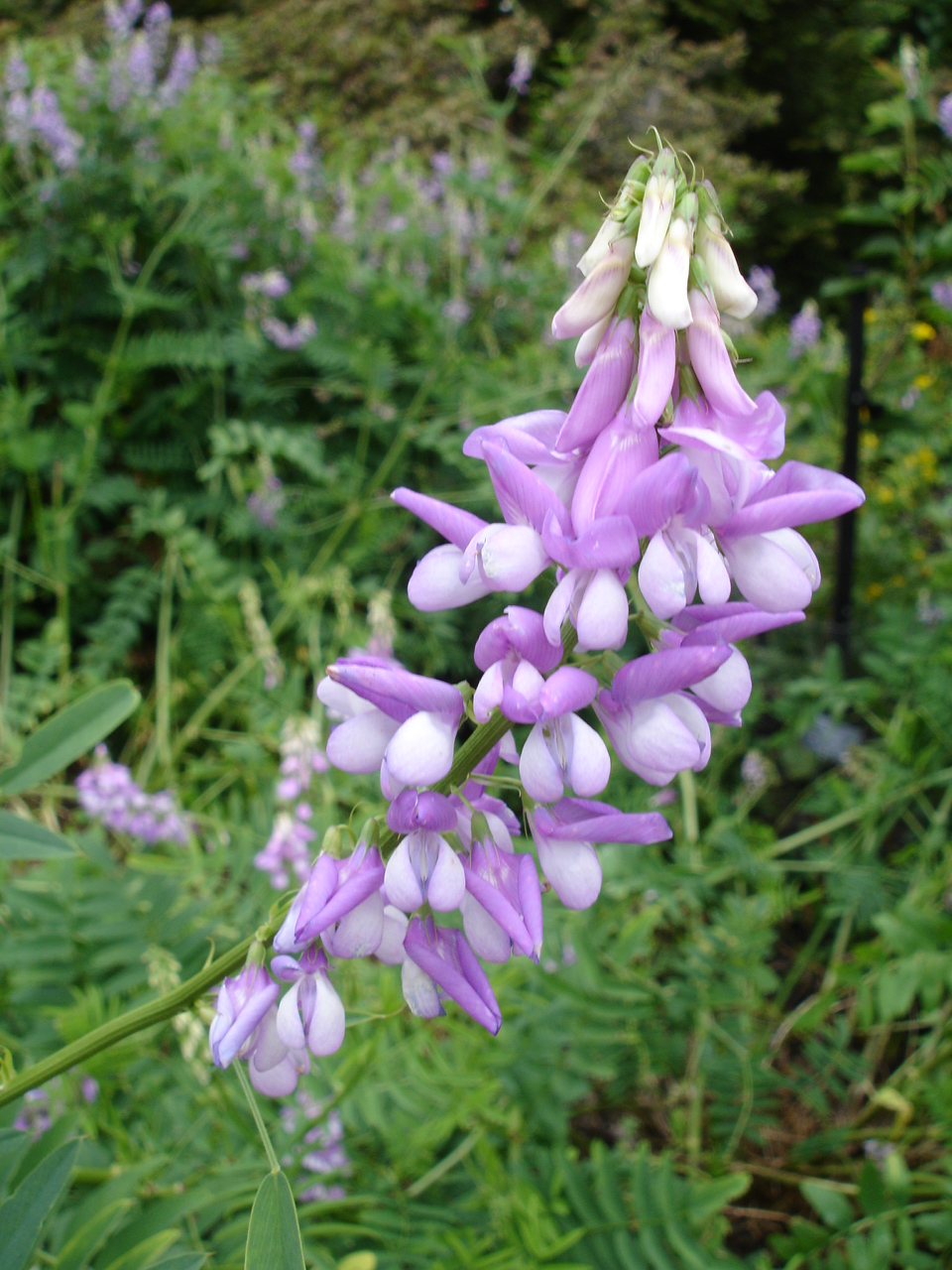
- Papilionaceous flowers with a banner (standard), two wings, and a fused keel.
- Compound leaves, often pinnate, with stipules at the base.
- Fruit a legume (pod) that develops from a single carpel.
- Ability to form root nodules and engage in symbiotic nitrogen fixation with soil bacteria.
Distribution and habitat
Species assigned to Galegeae are concentrated in the temperate regions of the Northern Hemisphere, including parts of Europe, Asia and North America, but representatives also occur in Australia, Africa and South America. They occupy grasslands, steppes, open woodlands, montane slopes and sometimes disturbed or cultivated ground.
Taxonomy and history
The circumscription of Galegeae has been revised several times. Traditional morphology-based classifications placed various genera together; more recent molecular phylogenetic studies have led to reassessments of relationships within Faboideae and changed the placement of some genera. Galega remains the conserved type genus anchoring the tribe name.
Uses and significance
Certain species in the group have agricultural or historical importance. For example, Galega officinalis (goat's rue) and Galega orientalis have been used as forage and green manure because of their biomass and nitrogen-fixing ability. Compounds found in Galega species historically inspired development of antidiabetic drugs, illustrating how botanical chemistry can inform medicine. In some regions, introduced species can become weedy or invasive, so management is sometimes necessary.
Notable facts and research
Galegeae continues to attract botanical study because its members help illuminate evolutionary patterns within Faboideae and because of their ecological role in improving soil fertility. Taxonomists emphasize careful genetic and morphological study when assigning genera to this tribe, as boundaries remain a subject of active research.
Related articles
Author
AlegsaOnline.com Galegeae: a tribe of papilionoid legumes in the subfamily Faboideae Leandro Alegsa
URL: https://en.alegsaonline.com/art/37269