
Antonio da Sangallo the Younger
Italian Renaissance architect and military engineer (1484–1546), noted for work on St. Peter's, Palazzo Farnese, fortifications and a large corpus of architectural drawings.
Antonio da Sangallo the Younger (born Antonio Cordiani, April 12, 1484 – August 3, 1546) was an Italian architect and military engineer whose practical skill and detailed drawings made him one of the most important builders of the High Renaissance. A member of the Sangallo family of builders, he combined careful measured drawing, structural planning and on‑site supervision to carry out large commissions in Rome and the Papal States.
Image gallery
10 Images
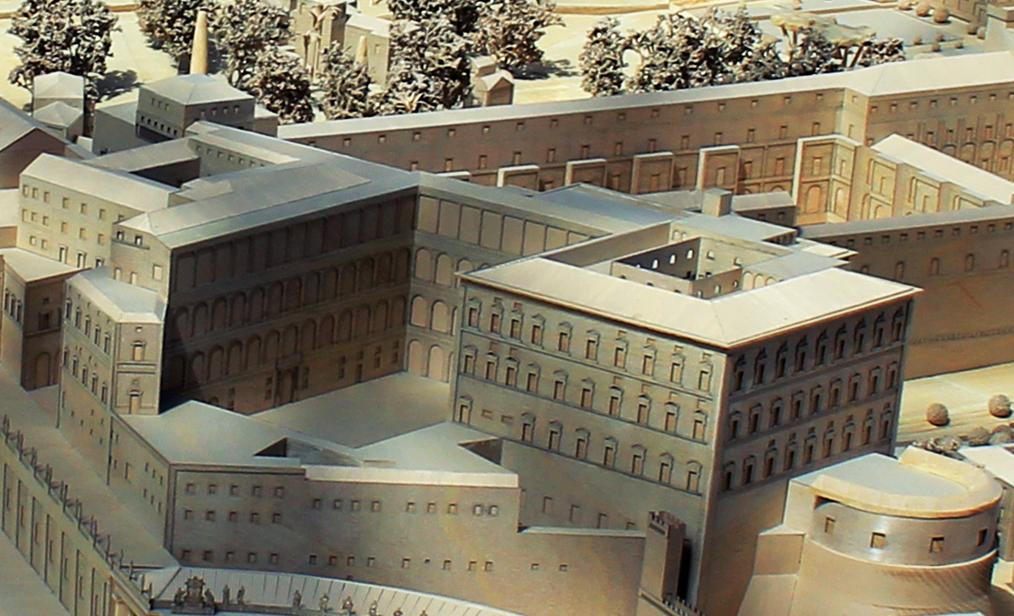


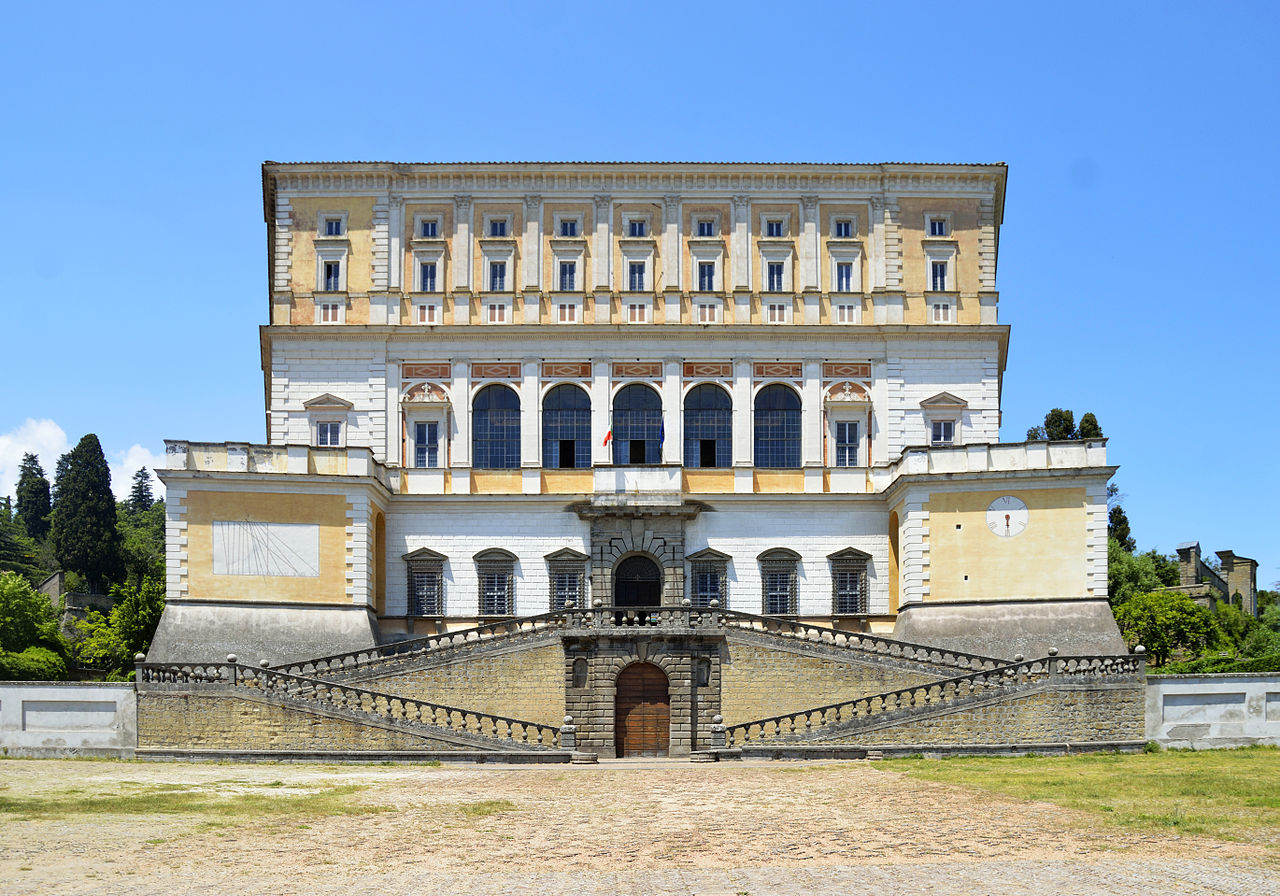


Training and workshop
Sangallo worked within a professional culture that linked design, masonry practice and military engineering. He ran an active workshop that coordinated craftsmen, material supply and construction sequencing. Contemporary patrons valued his combination of handson management and precise draughtsmanship; his notebooks record measurements, construction calculations and variants for projects at different stages.
Style and technical approach
His architectural language favoured clear structural expression, robust masonry and careful proportion. He was attentive to making large urban and ceremonial buildings read as unified compositions while also addressing practical requirements—durable foundations, ordered logistics on site, and adaptations to new artillery technology where defensive work was required. Many of his façades show rustication and strong horizontal divisions suited to palaces and public commissions.
Major works and projects
- Substantial practical responsibility on St. Peter's Basilica in Rome: he produced proposals, drawings and carried out site work that influenced later stages of construction.
- Work on important Roman palaces, including the palace known as Palazzo Farnese, where his contributions formed part of a long building history later continued by other masters.
- Design and execution of fortifications and military works for papal and civic authorities, reflecting the changing needs of defence in the age of gunpowder.
Sangallo left a large corpus of drawings and notebooks that survive in various collections and archives; these documents are valued both for their architectural ideas and for revealing practical construction techniques, site arrangements and mathematical calculations used by Renaissance builders.
Legacy
He belonged to a circle of major Roman architects of the period and his pragmatic, workshop‑based approach helped bridge theoretical Renaissance ideals and the demands of large urban and military commissions. Modern study of his work relies on surviving buildings, contracts and the extensive drawings he produced; for introductions and collected studies see further reading. His career is often cited in discussions of the development of architecture during the Italian Renaissance.
Related articles
Author
AlegsaOnline.com Antonio da Sangallo the Younger Leandro Alegsa
URL: https://en.alegsaonline.com/art/4746