
Freeganism: practices, motivations, and social effects
Freeganism is an anti‑consumerist practice of reclaiming discarded goods to reduce waste, lower personal costs, and challenge mainstream consumption; overlaps with freecycling, dumpster diving, and sharing economies.
Overview
Freeganism is a loosely organized social practice and critique of consumer culture that emphasizes obtaining usable goods without purchasing them. The name, which echoes vegan, combines "free" and "vegan" and signals an ethical stance against ordinary consumption, although freegans are not necessarily vegans. People who identify as freegans pursue alternatives to buying: they salvage, barter, share, swap, and reuse items that would otherwise be thrown away. Freegan practice ranges from occasional freecycling to systematic recovery of discarded food and goods.
Image gallery
10 Images





Common practices and characteristics
Freegan activities vary by community and individual preference, but typical practices include:
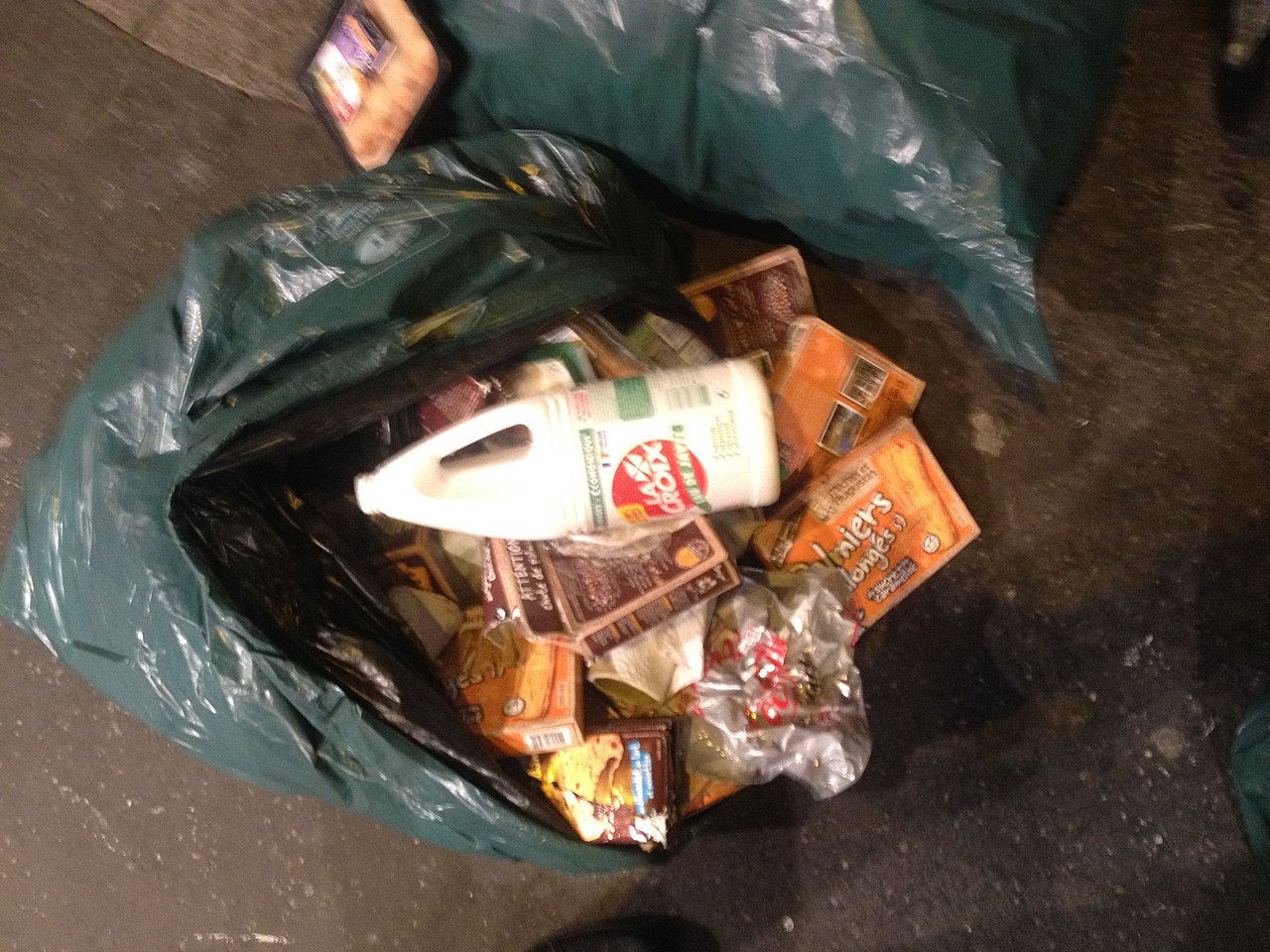
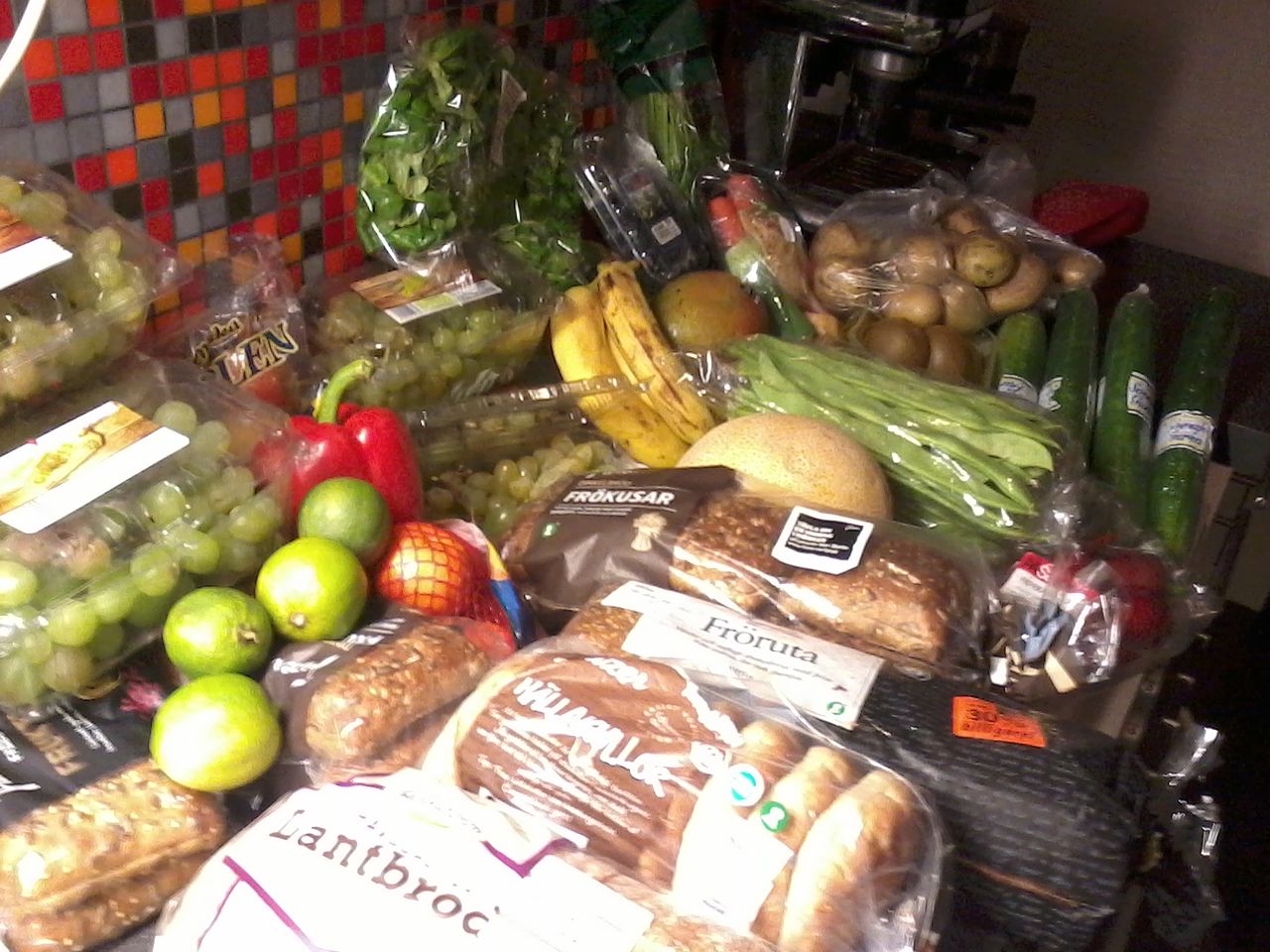
- Dumpster diving: recovering edible food and usable goods from commercial or residential waste.
- Free stores and swap meets: organizing places where items are given away or exchanged without money.
- Freecycling and sharing networks: using meetings or online platforms to redistribute goods for free.
- Repair and upcycling: fixing or transforming discarded items to extend their useful life.
Freegans often pair practical reuse with political critique: rejecting planned obsolescence, resisting advertising-driven consumption, and drawing attention to waste in modern supply chains.
History and social context
The movement grew out of broader anti‑consumerist and environmental currents in the late 20th century, intersecting with activism around food policy, housing, and urban poverty. Freegan practices draw on older traditions of salvage and mutual aid, while newer forms use digital networks to coordinate sharing. Some participants emphasize ethical or activist motives; others are mainly driven by economic necessity or desire to reduce household spending and avoid conventional buying.
Environmental and societal impacts
By diverting usable goods from landfill, freegan activities can reduce waste, conserve resources, and lower the demand for new production. Reuse also reduces the embodied energy and emissions associated with manufacturing and transport. However, the overall environmental benefit depends on scale and context: individual salvage does not substitute for systemic changes in production, packaging, and distribution. For broader discussion of ecological effects, see resources on environmental impacts.
Legal, health, and ethical considerations
Freegan practices raise practical and legal questions. Dumpster diving and similar recovery can be restricted by local ordinances, private property rules, or public‑health regulations. Health risks—particularly with perishable food—mean many freegans learn food safety techniques or avoid certain materials. Ethically, proponents argue reuse is preferable to waste; critics point to potential nuisance, safety concerns, or the limited scalability of informal reclamation as a solution to structural waste problems.
Variants, related movements, and notable facts
Freeganism overlaps with other trends: minimalism, repair cafes, the sharing economy, and community fridges. It also inspires institutional responses such as municipal food‑rescue programs and non‑profit redistribution networks. While often associated with urban subcultures and activism, elements of freegan practice—repair, swap, and reuse—have entered mainstream conversations about sustainability and circular economy approaches.
Practical examples
Examples of freegan activity include neighborhood free tables where passersby leave or take items at no cost, campus or community free stores, organized cleanups that collect reusable goods, and informal networks that redistribute surplus from restaurants or grocery shops to those in need. These small, local interventions illustrate how altered individual choices and community organization can reduce waste and reframe consumption norms.
Related articles
Author
AlegsaOnline.com Freeganism: practices, motivations, and social effects Leandro Alegsa
URL: https://en.alegsaonline.com/art/36509
Sources
- independent.co.uk : Ind-freeg