
Frederick Stanley, 16th Earl of Derby
British aristocrat and Governor General of Canada (1888–1893), remembered for donating the trophy that became the Stanley Cup, now the championship prize of North American professional ice hockey.
Frederick Stanley, 16th Earl of Derby (15 January 1841 – 14 June 1908) was a British aristocrat and statesman who served as Governor General of Canada from 1888 to 1893. During his time in Canada he became associated with the promotion of organized sport, and he is best known for presenting a trophy that came to symbolize the highest achievement in ice hockey in Canada and, later, the United States.
Image gallery
7 Images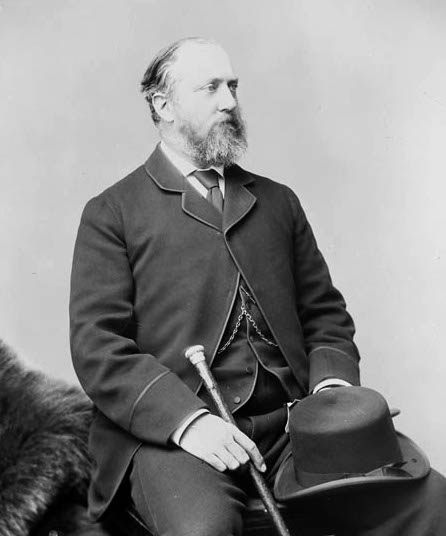



Role in Canada and public life
As Governor General, Stanley acted as the Crown’s representative in Canada during a period of political and social development. He took an active interest in public life and popular pastimes, encouraging athletic competitions and amateur sport. His public profile in Canada has remained strong largely because of a gift he made while serving in Ottawa that had a lasting cultural impact.
Origin of the trophy
In 1892 Lord Stanley presented what he called a “challenge cup” to be competed for by Canada’s top amateur teams. He donated a silver cup intended for the best amateur hockey clubs, paying for the trophy himself; contemporary accounts note the purchase cost was about $50. The object — sometimes described simply as a silver bowl — was named informally after him from the start and quickly became identified with the national game.
Evolution and legacy
The cup was first awarded in the early 1890s to the leading Canadian club of the day. Over the following decades the competition changed as the sport moved from amateur to professional ranks. The prize that Lord Stanley gave, commonly called the Stanley Cup, later became the championship trophy of the National Hockey League. It is widely regarded as the oldest championship trophy in North American professional sport and carries a distinctive tradition of engraving winners’ names on its bands.
Notable facts
- The trophy began as a challenge cup for amateur teams; its scope expanded as hockey professionalized.
- The original donation reflects the late 19th-century role of governors and patrons in promoting public pastimes.
- The Stanley Cup’s physical form has been altered and augmented over time; its name remains tied to Lord Stanley’s gift.
Lord Stanley’s association with ice hockey has ensured his lasting fame in Canada and in the sport’s history. His gift is an example of how a single act of patronage can produce an enduring national symbol and an international sporting tradition. For more on the trophy’s history and modern status see contemporary resources and institutional histories of the sport (trophy history, hockey history).
Related articles
Author
AlegsaOnline.com Frederick Stanley, 16th Earl of Derby Leandro Alegsa
URL: https://en.alegsaonline.com/art/36432