
Fredrik Fasting Torgersen
Norwegian man convicted of murder in 1958 whose case generated decades of debate over forensic evidence, judicial bias and the Criminal Cases Review Commission’s handling of appeals.
Overview
Fredrik Ludvig Fasting Torgersen (1 October 1934 – 19 June 2015) was a Norwegian man convicted of murder in 1958. He served sixteen years in prison and consistently maintained his innocence. Over the following decades his case became one of Norway’s most discussed possible miscarriages of justice, provoking public debate about forensic methods, judicial impartiality and the process for reopening criminal cases.
Image gallery
1 Image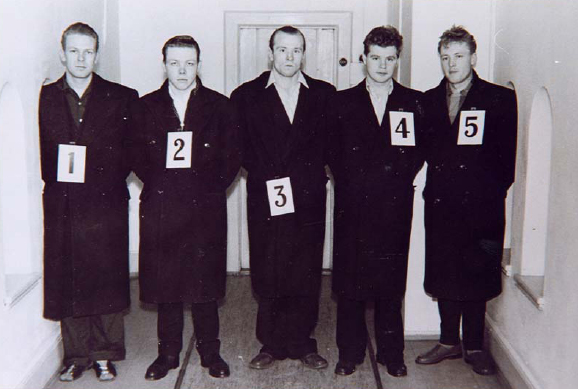
Conviction and sentence
Torgersen was tried and convicted in the late 1950s and sentenced to a lengthy term of imprisonment. The original verdict relied in part on forensic and circumstantial evidence presented at trial. Details of the conviction and the evidence have been revisited repeatedly by journalists, lawyers and researchers; the conviction itself and the official record remain important reference points for those who argue the case should be reviewed further. For contemporary summaries of the original decision see the 1958 materials and public records such as the 1958 conviction entry 1958 conviction.
Forensic controversy
A central feature of ongoing disagreement has been the reliability and interpretation of the forensic evidence used at trial. Analysts and supporters of Torgersen argued that some methods available in the 1950s were later found to be less certain than previously assumed, and that key trace evidence could have alternative explanations. Those who defend the original verdict note the weight of the combined testimonies and the standards applied by the court at the time.
Appeals, reviews and legal debates
Torgersen sought review of his case for many years. The Criminal Cases Review Commission (Gjenopptakelseskommisjonen) considered petitions related to his trial several times but repeatedly declined to reopen the case. Legal discussion around the matter has covered standards for new evidence, the role of retrospective expert assessments, and questions about access to investigatory materials and expert recordings. In 2013 a daughter of one of the trial judges stated her father had been prejudiced before the trial; in 2014 there were disputes about access to recorded statements by experts answering the commission.
Public reaction and legacy
The Torgersen case attracted significant public attention: legal scholars, journalists, writers and human rights advocates engaged with the material, producing articles, debates and campaigns calling for further review. The controversy contributed to broader reflection in Norway on how to assess older forensic evidence and how to ensure impartiality in criminal proceedings. It also illustrated the challenges of balancing finality in criminal justice with the need to correct potential wrongful convictions.
Notable facts
- Torgersen served sixteen years in prison and was released before his death in 2015.
- The case has been invoked in discussions of forensic science reliability and judicial review processes in Norway.
- Calls for renewed examination included claims of judicial bias and disputes over access to expert testimony recorded during reviews.
Today the Torgersen affair remains a reference point in Norwegian legal history when considering the limits of forensic certainty and the mechanisms available for reopening disputed convictions.
Related articles
Author
AlegsaOnline.com Fredrik Fasting Torgersen Leandro Alegsa
URL: https://en.alegsaonline.com/art/36445
Sources
- snl.no : "Torgersen-saken"
- dagsavisen.no : Torgersens testamente
- vg.no : Fasting får ikke utlevert lydbånd