
Brain Tumors: Causes, Symptoms, Diagnosis, and Treatment
Comprehensive overview of brain tumors: causes and types, signs and symptoms, diagnostic steps (MRI, biopsy), and treatment options — surgery, radiation, chemotherapy and supportive care to guide further research.
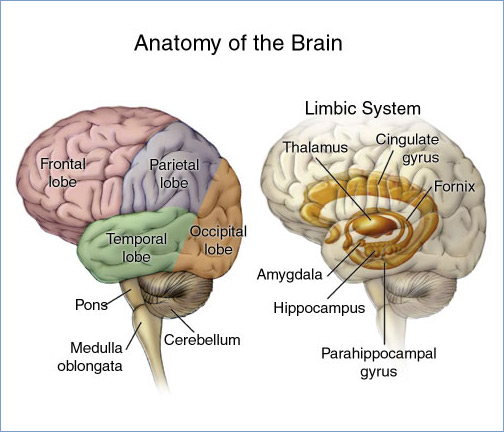
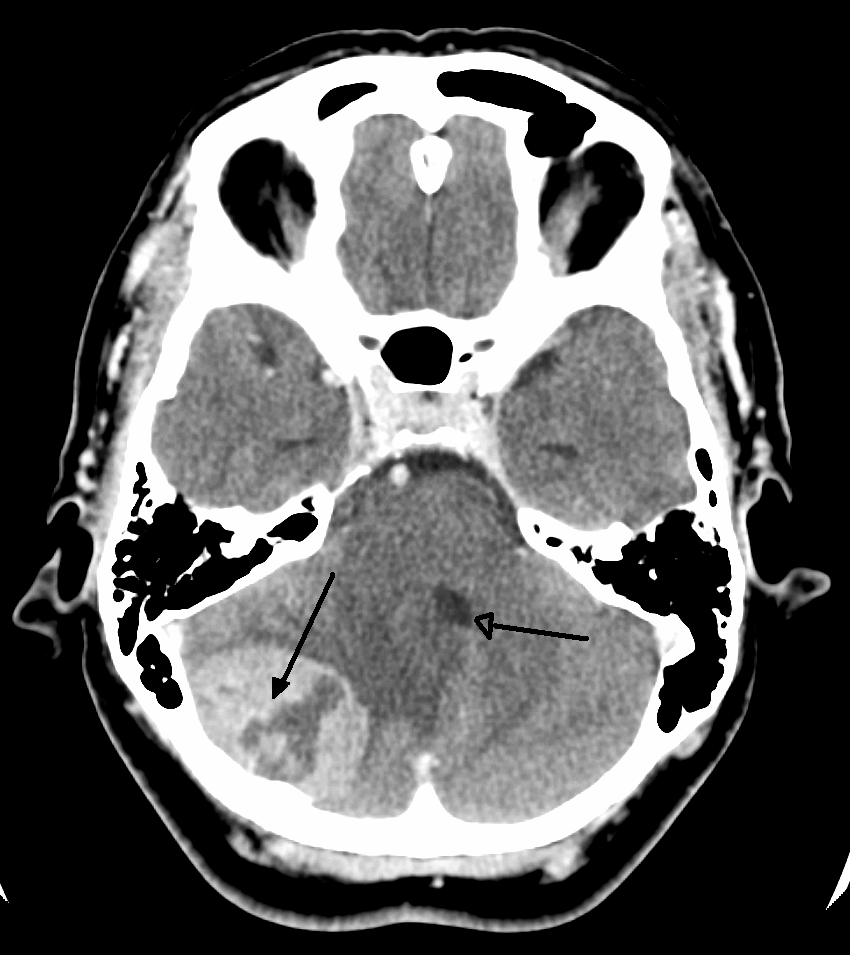
A brain tumor is an abnormal mass of cells that develops within the tissues of the brain. These growths vary widely: some arise from cells inside the brain, while others represent cancer that has spread to the brain from another organ.
Image gallery
8 Images



Types
Clinicians distinguish tumors by their origin and behavior. Lesions that arise in the brain itself are called primary brain tumors; those that begin elsewhere and travel to the brain are metastatic. Tumors are also described by their biological behavior as benign or malignant. Benign tumors generally grow more slowly and do not invade nearby tissue, but because the skull limits space, even a noncancerous tumor can cause serious neurological problems. Malignant tumors tend to grow faster, infiltrate surrounding brain tissue, and may spread to other parts of the body.
Common symptoms
- Headaches that are new or change in pattern
- Seizures or changes in consciousness
- Weakness, numbness, or coordination problems
- Speech, vision, or hearing changes
- Behavioral or cognitive changes
Diagnosis
Diagnosis begins with a neurological examination and medical history, followed by imaging—most commonly magnetic resonance imaging (MRI) or computed tomography (CT). Definitive diagnosis and tumor typing often require a tissue sample obtained by biopsy or surgical resection. Pathology reports classify tumors by cell type and grade, which helps guide treatment decisions.
Treatment
Treatment depends on tumor type, location, size, and the patient’s overall health. Options include:
- Surgery to remove as much of the tumor as safely possible
- Radiation therapy to target residual or inoperable tumor tissue
- Chemotherapy and targeted drugs for certain tumor types
- Supportive therapies such as steroids to reduce swelling and anticonvulsants for seizures
Outlook
Prognosis varies considerably. Some benign tumors can be cured with surgery, while many malignant tumors carry a guarded prognosis despite modern treatments. Survival and functional outcome depend on tumor grade, molecular features, location, and response to therapy.
Because the term “brain tumor” covers many distinct conditions, patients are best served by care from a multidisciplinary team experienced in neuro-oncology.
Tags
Related articles
Author
AlegsaOnline.com Brain Tumors: Causes, Symptoms, Diagnosis, and Treatment Leandro Alegsa
URL: https://en.alegsaonline.com/art/13659
Sources
- mayoclinic.com : mayoclinic.com/health/drug-information/DR601299