
François Villon: 15th‑century French poet and outlaw
François Villon (b. 1431 – active after 1463) was a major late‑Medieval French poet known for vivid, ironic verse, a turbulent life marked by study, theft, imprisonment and exile, and two lasting poetic works.
Not to be confused with the French politician François Fillon.
Overview
François Villon is regarded as the most influential French poet of the late Middle Ages. Born in Paris in 1431 and last recorded after 1463, he adopted the name Villon in 1455; his birth name is usually given as François de Montcorbier or François des Loges. Villon combined scholarly learning with streetwise language, producing poetry that balances dark humour, moral reflection and plain speech.
Image gallery
5 Images
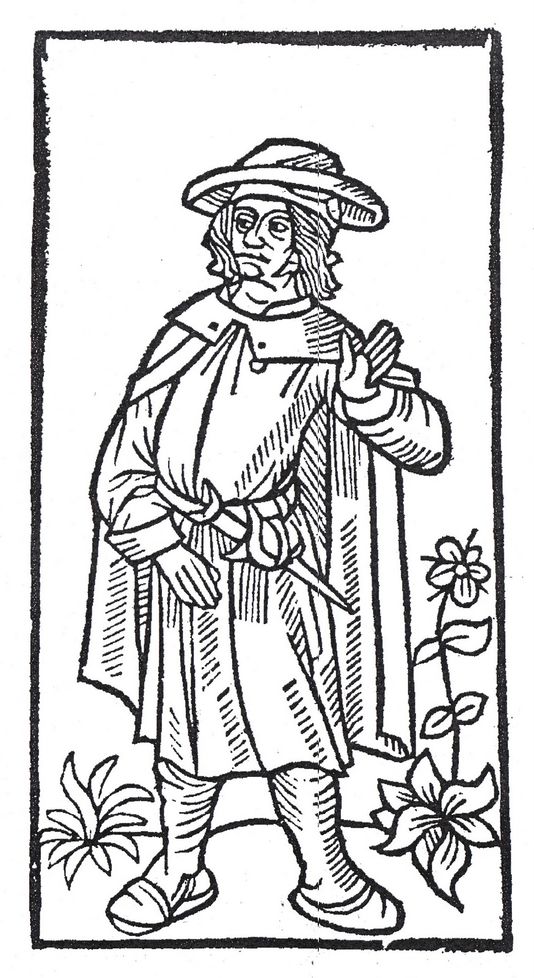

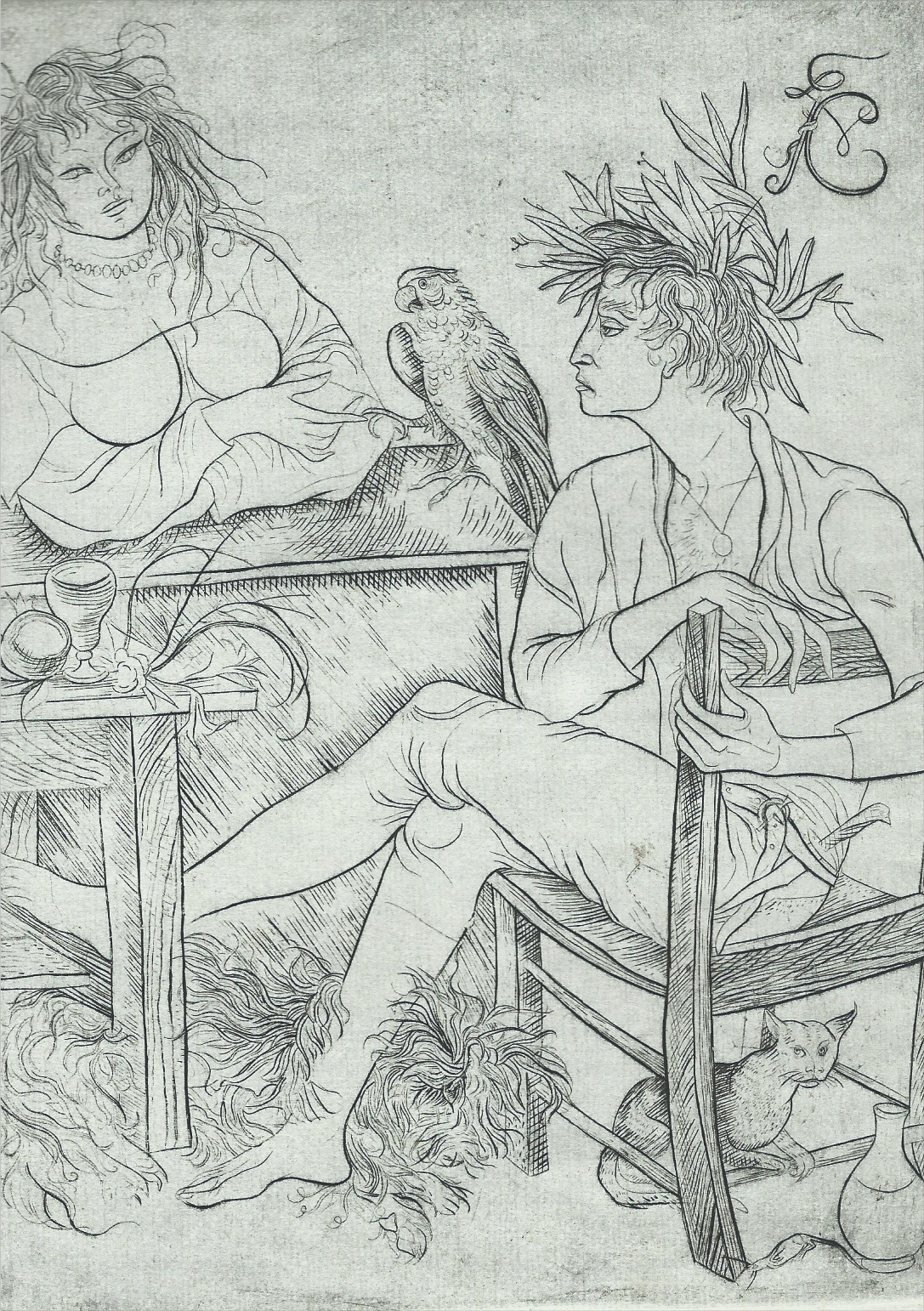

Life and background
Orphaned young, he was taken in and educated under the care of a chaplain, Guillaume de Villon. He studied in Paris and acquired some clerical and legal learning, but his adult life was unsettled. Contemporary records show arrests, brawls and other legal troubles; he spent time in prison and was eventually sentenced to banishment. His exact date of death is unknown. Much of what is known about his biography comes from details in his own poems and scattered archival records from Paris.
Major works
Villon’s surviving corpus is small but durable. Two principal long works are often highlighted:
- Le Lais (a short early poem) — an early demonstration of his wit and formal skill.
- Le Testament (also called the Grand Testament) — a longer, confessional and often satirical sequence of poems, composed in the 1460s, mixing personal anecdote with moralizing and rueful humor.
His best‑known short piece is the moving and macabre Ballade des pendus (Ballad of the Hanged Men), notable for its sympathy toward condemned bodies and reflections on mortality.
Style, themes and importance
Villon’s verse is notable for its colloquial immediacy and mastery of fixed forms such as the ballade. He juxtaposed learned references and street slang, turning criminal episodes into moral parables and self‑portraiture. Themes include fate, poverty, repentance, friendship and the physical experience of life and death. His frank, ironic voice influenced later French poetry and contributed to a shift toward more personal, realistic expression in literature of the period (late Middle Ages).
Legacy and notable facts
Villon has been admired by generations of writers and scholars for preserving popular speech within refined poetic structures. He remains a figure of fascination because of the gaps in his biography and the vividness of the poems themselves. For further reading on Villon’s poetry and critical study, see resources on medieval French literature and collections of his work and translations (poetry collections, French literary studies).
Questions and answers
Q: Who was François Villon?
A: François Villon was a French poet born in 1431 in Paris.
Q: What was Villon's real name?
A: Villon's real name was likely François de Montcorbier or François des Loges.
Q: Who was responsible for Villon's upbringing?
A: Guillaume de Villon was responsible for Villon's upbringing.
Q: When did Villon change his name to Villon?
A: Villon changed his name to Villon in 1455.
Q: How is Villon regarded in France?
A: Villon is regarded as the most important poet of the late Middle Ages in France.
Q: Is François Villon the same person as François Fillon?
A: No, François Villon is not the same person as François Fillon.
Related articles
Author
AlegsaOnline.com François Villon: 15th‑century French poet and outlaw Leandro Alegsa
URL: https://en.alegsaonline.com/art/36125
Sources
- britannica.com : "François Villon"