
Francysk Skaryna: Early Belarusian Printer, Translator and Physician
Francysk Skaryna (c.1485–1550s) was a pioneering printer and humanist from Polotsk who produced one of the earliest East Slavic printed Bibles and helped shape an early Belarusian literary language.
Francysk Skaryna was a prominent early 16th-century figure from the lands of the Grand Duchy of Lithuania, remembered as one of the first printers and translators to produce books in an East Slavic vernacular. He is widely credited with advancing what is often called the Old Belarusian (Ruthenian) written tradition and for making religious and educational texts more widely available through movable type. Modern scholarship treats many details of his life as uncertain, but his printed works and prefatory texts provide clear evidence of his aims and achievements.
Image gallery
5 Images
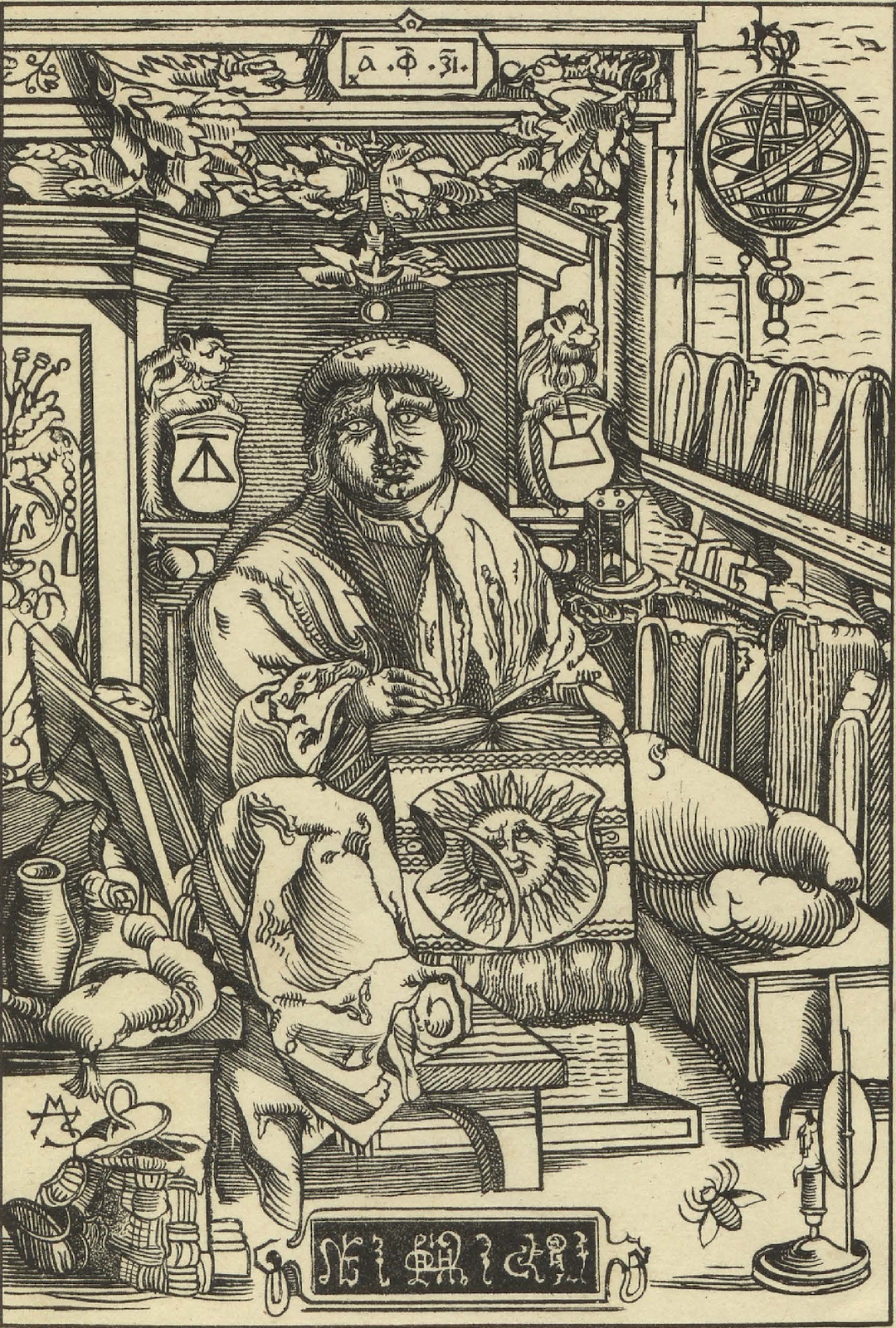
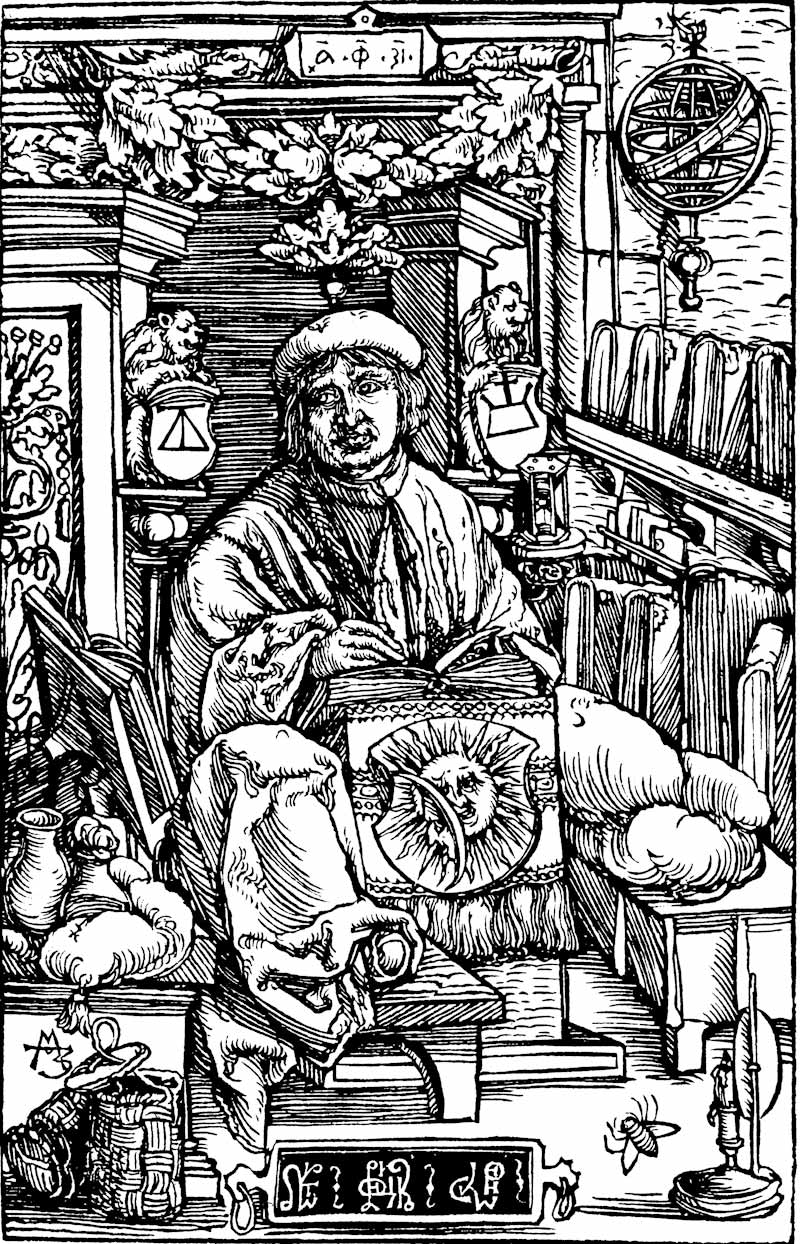
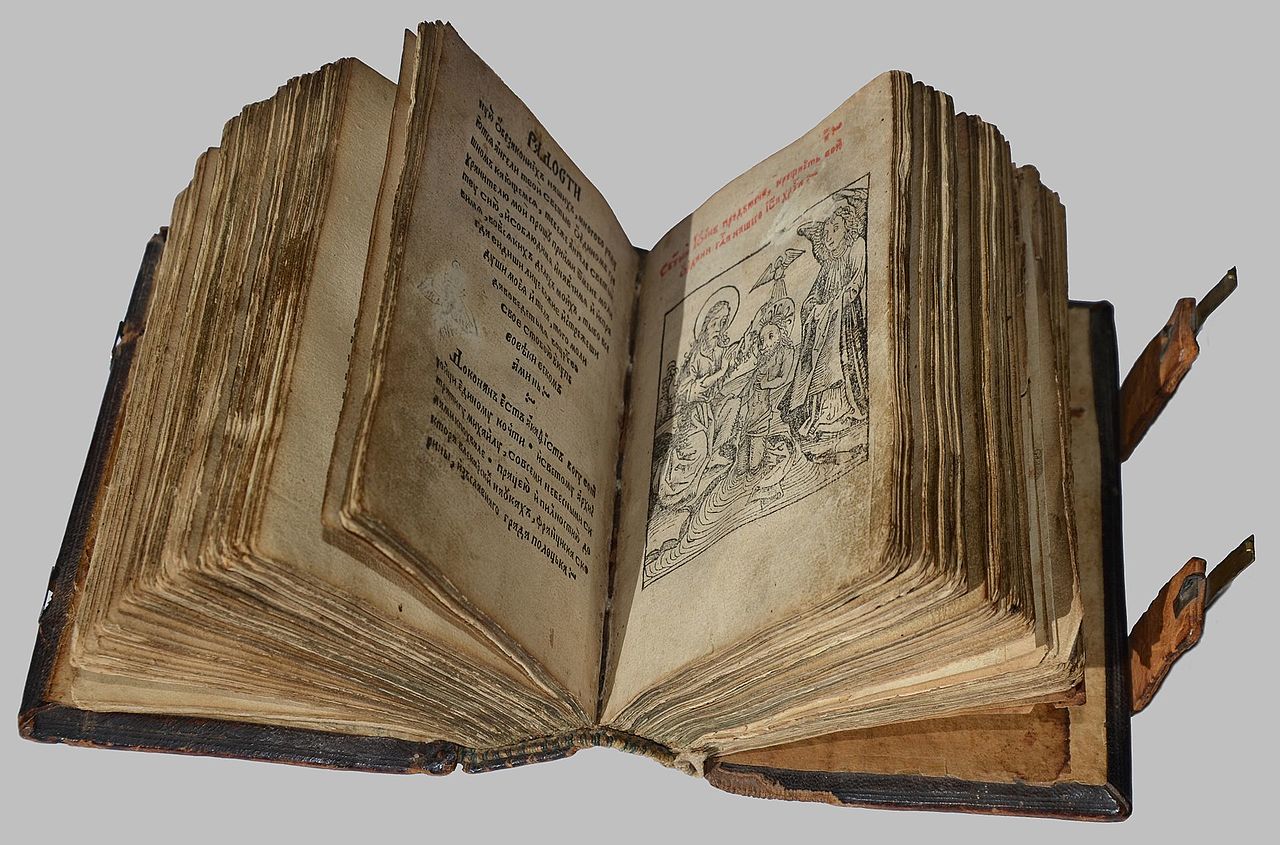

Life and education
Skaryna is believed to have been born in the historic city of Polotsk into a prosperous merchant family. Exact birth and death dates are not definitively known; estimates typically place his life roughly between the 1480s and the mid-16th century. He studied at the arts faculty of the University of Kraków and later earned a doctorate in medicine at the University of Padua in what is now Italy. His training combined classical humanist learning with medical study, a background that appears in the scholarly tone and practical concerns of his printed introductions and paratexts.
Printing work and major publications
Skaryna began printing around 1517, first working in Prague, where he issued a vernacular Bible project in multiple instalments. Between 1517 and 1519 he published a sequence of biblical books presented as a complete devotional set in 22 volumes, an ambitious enterprise for its time and place. He used a language and orthography close to the spoken Ruthenian of the region and added prefatory commentaries that explain his intentions.
- The Psalter (printed 6 August 1517 in Prague) — one of his earliest surviving imprints.
- A multi-volume translation/edition of biblical books (1517–1519) — often cited collectively as Skaryna's Bible project.
- Works printed after his move to Vilnius, including shorter devotional and instructional texts for local readers, produced in the Grand Duchy context (Grand Duchy of Lithuania).
Language, aims and significance
Skaryna chose to publish in an East Slavic vernacular rather than in Latin alone, a decision that made religious and moral instruction more accessible to readers who lacked classical education. His translations and editorial choices reflect influences from Church Slavonic, Latin, Czech and regional speech. Because of this mix, he is often credited with helping to shape a written standard that later generations recognize as an ancestor of modern Belarusian. Scholars also note his humanist outlook: his prefaces emphasize ethical improvement, personal reading, and the utility of printed books for education and piety.
Later life and legacy
After his Prague years, Skaryna relocated to the Grand Duchy’s centers and is associated with establishing an early printing presence in Vilnius; sources indicate he issued at least one small book there, sometimes described as a travel or devotional guide. Accounts vary about his final years: some describe him continuing medical practice and serving as a physician at courts in Central Europe. Over subsequent centuries, he has been commemorated as a national cultural figure in Belarus and is treated more broadly as an important early printer in Eastern Europe. His role as one of the first publishers working in a vernacular East Slavic tongue remains his most enduring distinction.
Notable facts and distinctions
- Skaryna’s books combine biblical text with explanatory prefaces and moral reflections, marking an editorial practice that aimed to guide readers.
- His orthographic choices and vocabulary integrated local speech patterns; this practical approach differentiates him from strictly liturgical Church Slavonic traditions (Belarusian language developments).
- He is associated with the spread of print technology in the region, following wider European moves toward printed vernacular literature.
Study of Skaryna continues: archival research, bibliographic study of surviving copies, and cultural history place him at the intersection of Renaissance humanism, Reformation-era print culture, and the literary development of East Slavic peoples.
Related articles
Author
AlegsaOnline.com Francysk Skaryna: Early Belarusian Printer, Translator and Physician Leandro Alegsa
URL: https://en.alegsaonline.com/art/36132