
Francis Scott Key (1779–1843): Author of the Star‑Spangled Banner
American lawyer and poet Francis Scott Key wrote the poem that became The Star‑Spangled Banner. He served as U.S. Attorney, owned slaves, and remains a complex and debated figure in American history.
Overview
Francis Scott Key was an American lawyer and poet best known for composing the verses that became The Star‑Spangled Banner, later adopted as the national anthem of the United States. His short poem captured the impression of a single night — the bombardment of Fort McHenry during the War of 1812 — and entered public life as both a patriotic song and a symbol whose meaning has been reexamined over time.
Image gallery
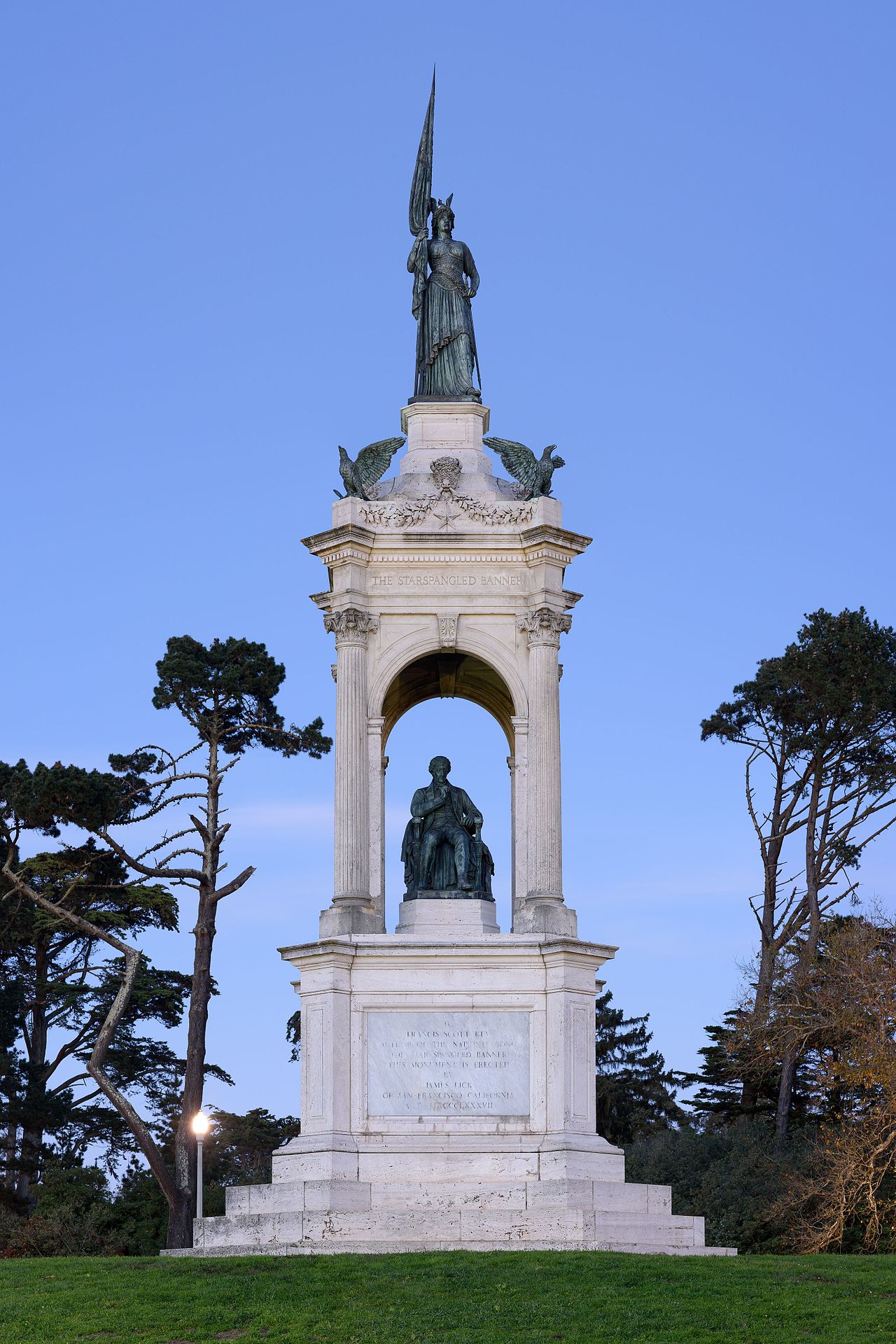
9 Images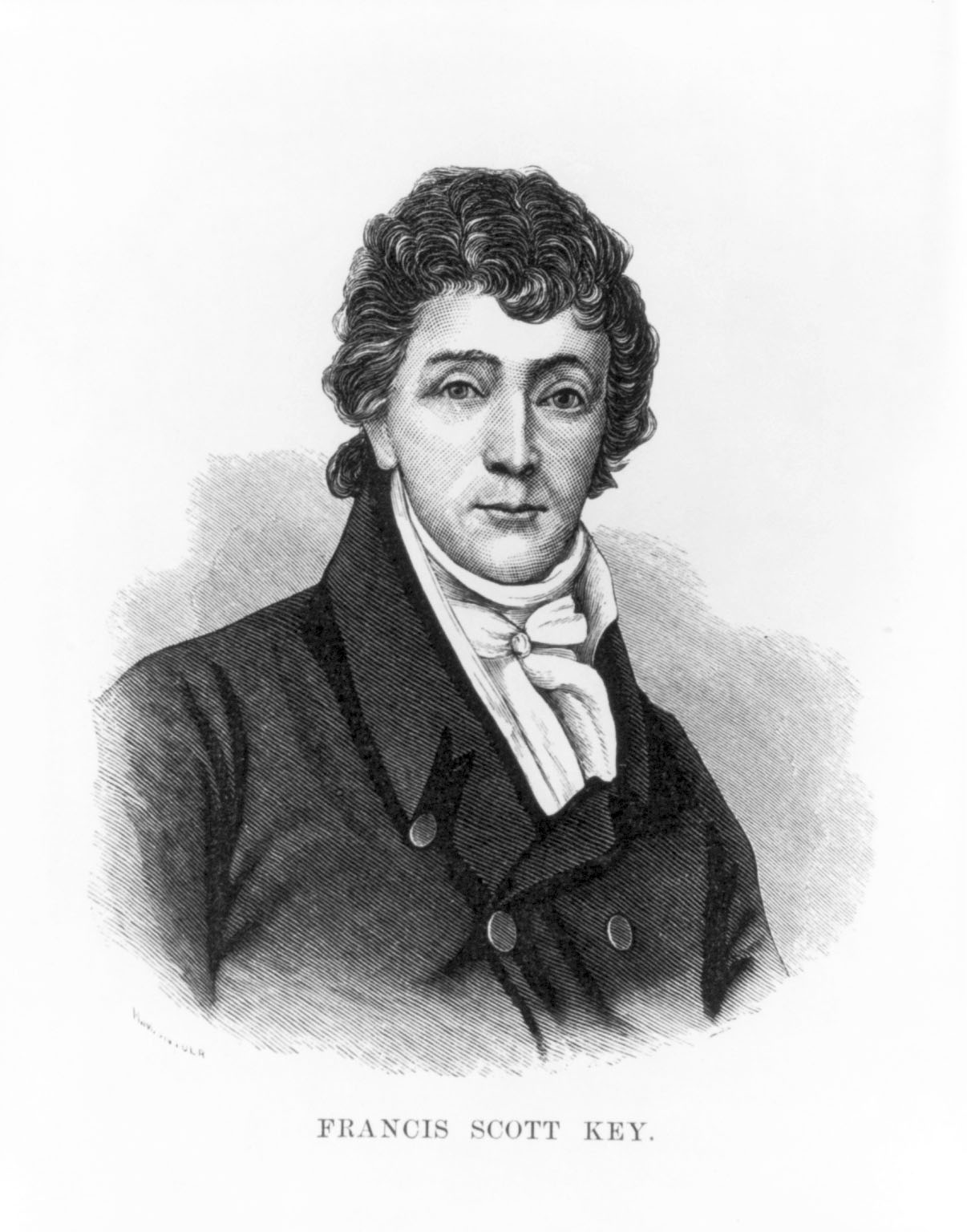







Early life and education
Born on August 1, 1779, to Ann Phoebe Penn Dagworthy (Charlton) and Captain John Ross Key, he grew up in Maryland and completed his studies at St. John's College in Annapolis in 1796. Trained in the law, Key established a legal practice and participated in civic affairs in the early republic.
The Star‑Spangled Banner: origin and publication
Key wrote the four‑stanza poem originally titled "Defence of Fort M'Henry" after witnessing the British bombardment of Baltimore's defenses while aboard a truce ship negotiating prisoner matters. The words were soon set to a popular tune and printed in newspapers; over the following century the song became widely sung at public events and was formally adopted as the national anthem in 1931. The piece endures as both a ceremonial song and an object of historical discussion about how national symbols are created.
Legal career and public service
Key had a long career in law and government. During the administration of Andrew Jackson he was appointed United States Attorney and worked in Washington, D.C.. His practice covered issues common to early 19th‑century American law, including commercial and maritime matters; his public service placed him at the center of legal and political life in the capital.
Slavery, views and controversies
Key was a slave owner, a fact that shapes modern assessments of his life and work. Historians note that his record on race and slavery is complex: while he occupied important legal posts and expressed concern about the union and the rule of law, his ownership of enslaved people and some of his public statements have led to significant criticism. This complexity is central to ongoing debates about commemoration and interpretation of historical figures.
Legacy and commemoration
- From poem to anthem: Key's lyrics were paired with a tune and became entrenched in public ritual.
- Contested honors: Monuments, place names and institutional commemorations bearing his name have been reassessed in recent years.
- Study and debate: Scholars examine his life in the contexts of the War of 1812, early American law and the history of slavery.
For readers seeking primary texts and focused study, archival collections and legal histories provide contemporary documents and scholarly interpretation. Further general introductions and biographies can be found through library catalogs and reputable historical guides; such resources often include collections of Key's writings, contemporaneous newspaper accounts of the Fort McHenry bombardment, and modern scholarship that situates his work in a wider social and political context. Additional entry points and guides are available online and in research libraries via curated collections and bibliographies about his legal career, about the anthem, and about his education.
Related articles
Author
AlegsaOnline.com Francis Scott Key (1779–1843): Author of the Star‑Spangled Banner Leandro Alegsa
URL: https://en.alegsaonline.com/art/36060