
Fraggle Rock — Jim Henson’s international puppet series
Fraggle Rock is a musical puppet television series created by Jim Henson. It blends fantasy, comedy and social themes through the lives of Fraggles, Doozers and Gorgs in a multilayered underground world.
Fraggle Rock is a children's television series conceived by Jim Henson that combines live-action puppetry, music and fantasy storytelling. First broadcast in the 1980s, the show depicts an interconnected underground community of small, colorful creatures called Fraggles and the other beings who share their world. Rather than being a simple comedy, the series mixes broad humor with songs and recurring moral themes designed to be accessible to young viewers while offering resonances for adults.
Image gallery
1 Image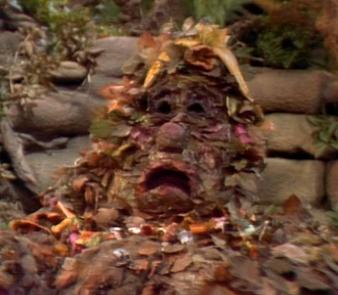
Premise and main characters
The central location is Fraggle Rock itself: a network of caves, pathways and gathering places where Fraggles live, play and explore. Fraggles are curious and social, and several recurring personalities anchor the ensemble — for example, adventurous Gobo, thoughtful Mokey, anxious Wembley, pragmatic Boober and energetic Red. The world also includes industrious Doozers, tiny creatures who build crystalline constructions that the Fraggles often eat, and the Gorgs, who are much larger and regard the Fraggles as small pests in their garden. A human “outer” presence and a dog introduce a bridge between the caves and the world above.
Production, international approach and broadcast
The program was developed as an international co-production from its inception, with creative input aimed at making stories that could travel across cultures. Its production involved Henson’s company together with partners in several countries, and different regional versions sometimes used localized scenes or framing sequences. The show originally aired in the 1980s and was shown on various networks and services in different territories. Its musical openings and credits evolved over time and some broadcast packages trimmed or altered sequences depending on the outlet.
Style, music and storytelling
Music is integral to Fraggle Rock. Episodes frequently include original songs that advance plot or character, and the theme tune establishes a tone of joyful exploration. Visually, the series mixed handcrafted puppet performance with imaginative set design to create a tactile, lived-in environment. Episodes typically balance comic situations with a clear emotional throughline: a problem appears, characters respond in ways true to their personalities, songs punctuate action, and some resolution is reached that often leaves space for further reflection.
Themes, audience and legacy
Under its playful surface, Fraggle Rock addressed topics such as cooperation, cultural misunderstanding, fear of change, responsibility to the environment and questions of identity and belonging. The show presented these themes indirectly through the interactions of different species and personality types, making complex ideas accessible to children. Its reputation for warmth, wit and humane values has led to repeated revivals and references in popular culture. In later years, new adaptations and reboots have reintroduced the characters to new generations while preserving the original’s musical and inclusive spirit.
Notable elements and characters
- Fraggles: the primary community of curious, musical creatures.
- Doozers: tiny builders whose constructions are beloved by Fraggles.
- Gorgs: larger, garden-dwelling figures who think of themselves as rulers.
- Outer world characters: human figures and pets who provide occasional viewpoints from above ground.
- Music: recurring songs and instrumental cues that shape tone and pacing.
Further reading and official pages
- British co-producer information
- American partner reference
- Canadian broadcast partner
- Puppetry and production techniques
- About Jim Henson
- Muppet design and characters
- Later network airings and syndication
- Music and instrumentation notes
- Theme and scoring details
- Public broadcaster resources
- Pay-television and distribution
- Original U.S. broadcast partner
- Contrast with other Henson series
- International production notes
- Use of fantasy to explore themes
- Educational and allegorical aspects
- Episodes addressing prejudice
- Spiritual and philosophical motifs
- Personal identity and character arcs
- Environmental themes in episodes
- Social conflict and resolution examples
Related articles
Author
AlegsaOnline.com Fraggle Rock — Jim Henson’s international puppet series Leandro Alegsa
URL: https://en.alegsaonline.com/art/35968