
Sesame Street
Long-running American educational children’s television series combining live-action, puppetry and animation. Premiered in 1969 to teach literacy, numeracy and social skills and address difficult topics.
Overview
Sesame Street is an American children's television series created to teach preschool-aged viewers foundational skills through entertainment. The program blends live-action, puppet characters and animation to present short, varied segments that emphasize letters, numbers, music and social learning. The show's format and characters helped make it a model for educational broadcasting in many countries; for program information see series details and television format.
Image gallery
10 Images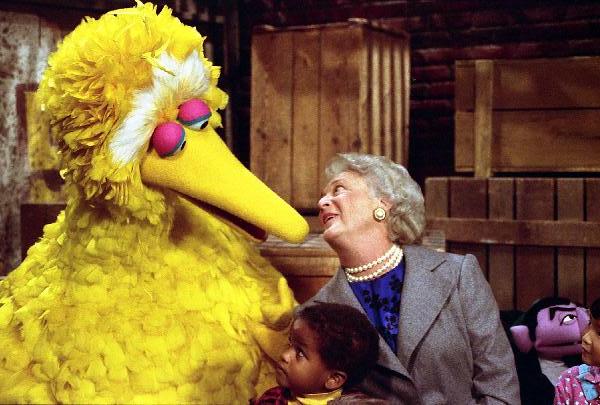


Format and principal characters
Episodes typically mix sketches, songs, and short films set around an urban street environment. The Muppet-style puppets developed for the series are central to its appeal; these are often referred to as Muppets and are performed using traditional puppetry techniques alongside human neighbors and teachers represented by real people. Segments emphasize music and rhythm (music, song) and teach the alphabet (letters) and counting (numbers) while modeling everyday routines and social behavior to support early learning.
Educational approach and topics
The program was designed by educators and producers to present curriculum-driven content in short, engaging pieces, with repetition and humor to aid retention. While the primary goals are literacy, numeracy and school readiness, the show has also introduced sensitive themes for children and families, including grief and death, parental separation and divorce, health issues, inclusion and disability such as autism, and systems like foster care. These topics are handled carefully, often with guidance from child development experts.
History and production
Sesame Street first aired on November 10, 1969, developed by the nonprofit now known as Sesame Workshop (originally the Children's Television Workshop). Jim Henson contributed the puppet characters and creative performance techniques (Jim Henson), while teams of writers and researchers collaborated closely (writers, puppeteers) to blend pedagogy and entertainment. Some characters and styles later influenced other series and specials (The Muppet Show). For decades the series was distributed on public television (PBS); in the 2010s new-episode release arrangements shifted to premium platforms such as HBO and later streaming in partnership with HBO Max, while maintaining public access windows.
Global reach and legacy
The series has been adapted, dubbed or inspired versions in many countries and reaches global audiences through broadcasts and licensing. Over its long run it has produced thousands of episodes across multiple decades and seasons, trained generations of educators and performers, and influenced children’s programming standards worldwide. Its combination of research-based curriculum and memorable characters is widely cited as a transformative model for educational media.
Pilots and notable facts
Before the official premiere a series of pilot programs were produced in mid-1969 to test content, pacing and techniques. The initial pilots helped shape the mix of short segments, music and street-set scenes that define the show. A brief list of early pilots follows:
- Pilot 1 — first trial episode produced in July 1969, used to evaluate format and ran approximately fifty-five minutes.
- Pilot 2 — follow-up trial in July 1969, refining character timing and educational pacing.
- Pilot 3 — additional pilot produced July 1969 to test segment length and audience response.
- Pilot 4 — further variations on sketch order and transitions, produced July 1969.
- Pilot 5 — final pilot in the set produced July 1969 before the series launch.
For supplemental materials, archival notes and institutional histories consult related resources: series overview, program format, puppet design, puppetry techniques, human cast, music segments, song archives, alphabet teaching, numeracy, learning research, coverage of death, divorce episodes, autism inclusion, foster care stories, Jim Henson contributions, writing and curriculum, puppeteer credits, related Muppet work, public broadcaster ties, broadcast partnerships, streaming agreements.
Questions and answers
Q: What is Sesame Street?
A: Sesame Street is an American children's television series with many Muppets (puppet characters) and non-Muppet characters (human characters). There are also many animated characters. The show deals with issues like music, song, alphabet, numbers, and teaching children basics in learning, as well as more serious issues like death, divorce, HIV/AIDS, autism, and foster care. Part of the profits go to an international project for children's schools.
Q: Who created the Muppets?
A: Jim Henson created the Muppets.
Q: When did Sesame Street first air?
A: Sesame Street first aired on November 10th 1969.
Q: How many episodes have been made over 50 seasons?
A: More than 4000 episodes have been made over 50 seasons.
Q: How do viewers recognize each episode of Sesame Street?
A: Each episode of Sesame Street has a unique feature where the episode number appears at the start of each episode.
Q: Where was Sesame Street shown before 2015?
A: Before 2015, Sesame Street had been shown on PBS. In 2015 new episodes began airing on HBO in January 2016 but those episodes would be shown on PBS nine months later. In 2020 it aired on HBO for the last time and after five seasons returned to PBS as its first-run program for newer episodes starting with season 51st .
Related articles
Author
AlegsaOnline.com Sesame Street Leandro Alegsa
URL: https://en.alegsaonline.com/art/89140
Sources
- msn.com : "HBO Picks Up 'Sesame Street' As Kids' Viewing Habits Change"
- sesamestreet.org : sesamestreet.org/muppets