
Frankincense (olibanum): aromatic resin from Boswellia trees
Frankincense, also called olibanum, is an aromatic resin from Boswellia trees used in incense, perfumery, religious rites, and traditional medicine; valued since antiquity for fragrance and symbolism.
Overview
Frankincense, often referred to by the older name olibanum, is an aromatic plant resin harvested from trees of the genus Boswellia in the family Burseraceae. The material occurs as hardened droplets known as "tears" and is prized for its warm, balsamic, slightly pine-like scent. It has been used for millennia across Africa, the Arabian Peninsula, South Asia and the Mediterranean region for ritual, medicinal and commercial purposes.
Image gallery
9 Images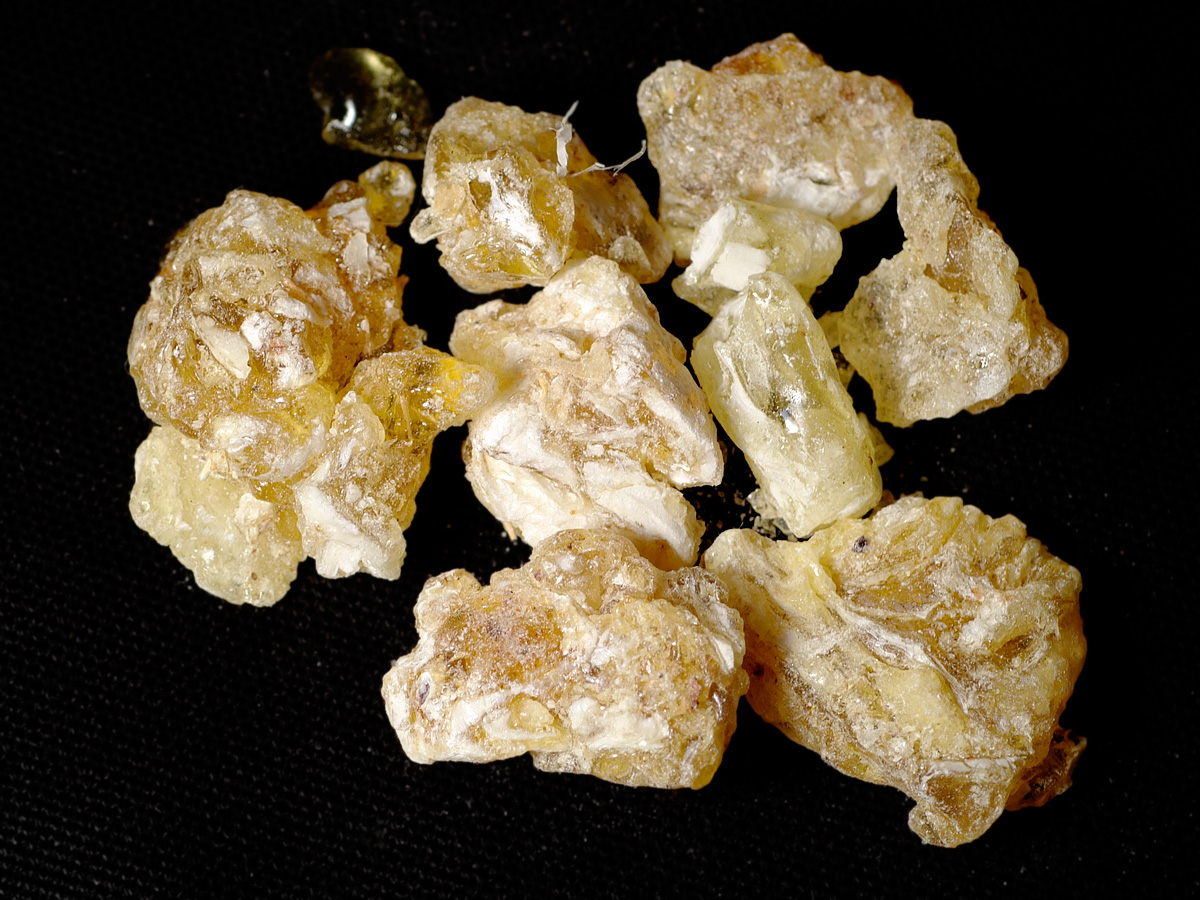




Appearance and production
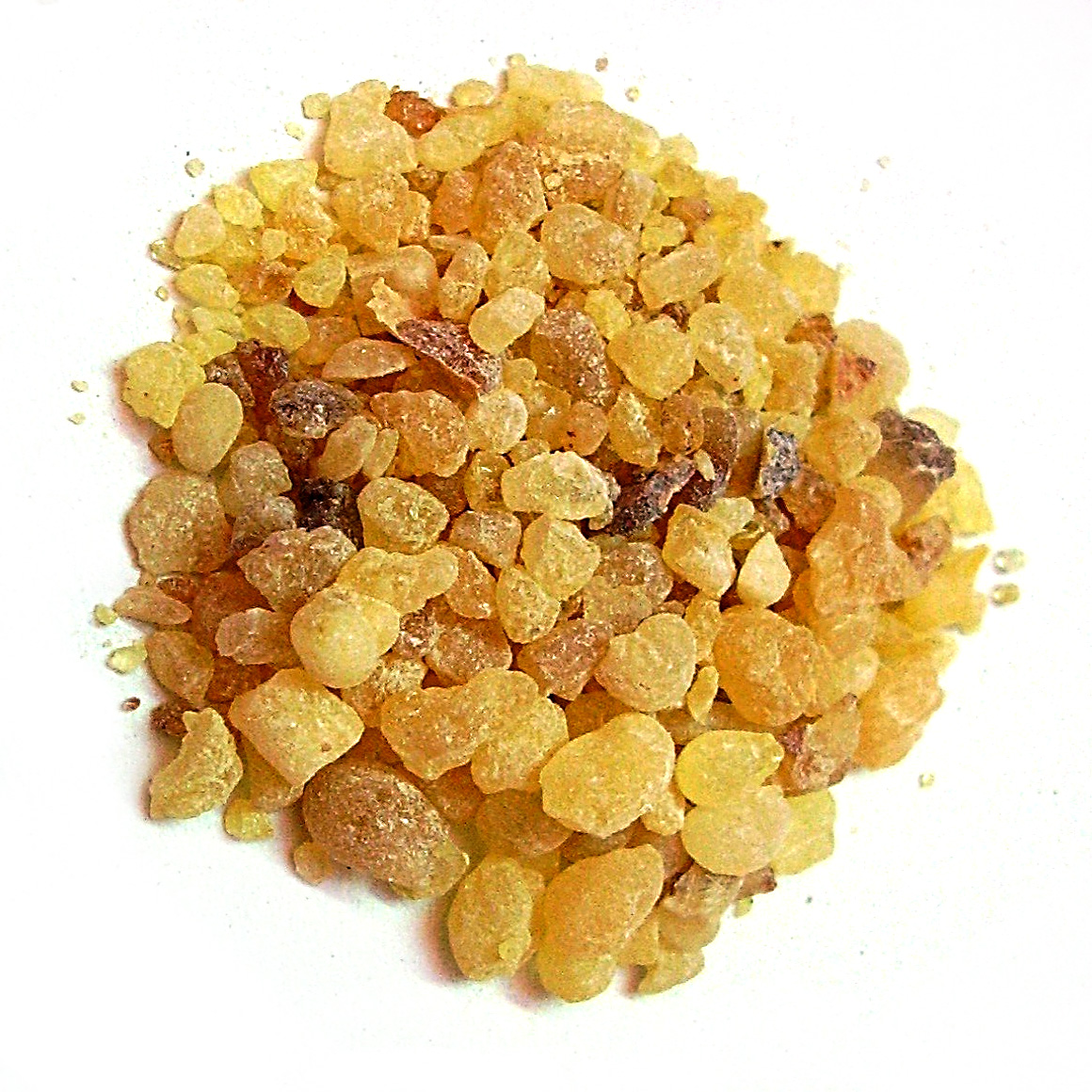
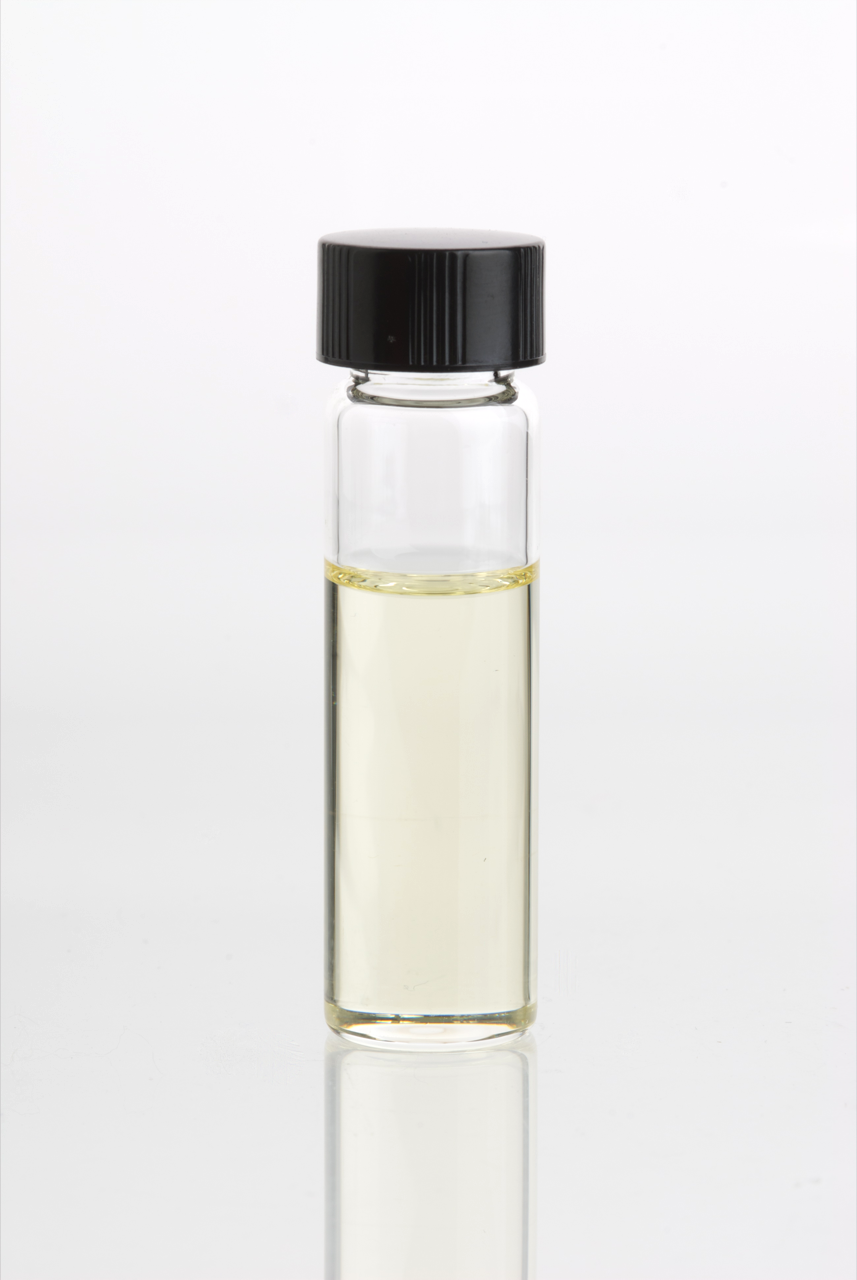
Frankincense is obtained by tapping: cultivators make shallow incisions in the bark of Boswellia trees so the sap exudes and coagulates on contact with air. The hardened streaks are collected after they dry and are classified by size, color and purity. The substance appears in shades from pale yellow to brown and is sold as raw tears, powdered resin, or processed into an essential oil by steam distillation.
History and cultural significance
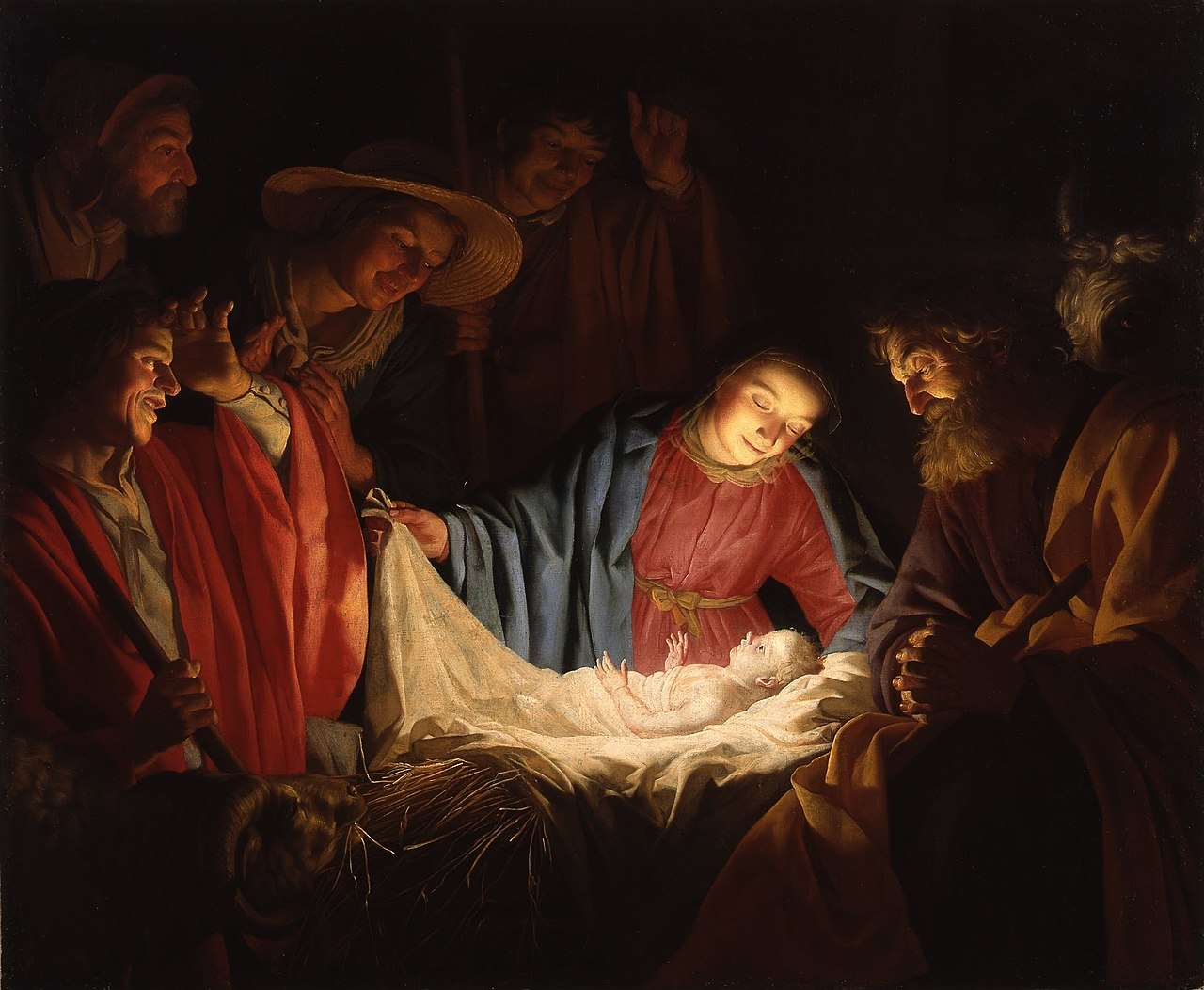
Frankincense has a long documented history in trade and religion. It was a high-value commodity in antiquity, transported along caravan routes from the Horn of Africa and southern Arabia to markets in the Near East and Mediterranean. In several religious traditions, including forms of Judaism, Christianity and Islam, burning frankincense is part of liturgy and ceremony. It is famously mentioned in the New Testament as one of the gifts presented by the Magi.
Uses and applications
Primary uses include incense and perfumery. As an incense, frankincense is burned directly as resin or used as a component in blends; see general practices involving incense. In perfumery it contributes fixative and aromatic base notes. Traditional medicine systems have used frankincense preparations for topical and internal applications, often attributing anti-inflammatory or soothing properties to the resin or its essential oil. Commercially, the essential oil is used in aromatherapy, cosmetics and some pharmaceutical formulations.
Varieties, quality and modern concerns
Different Boswellia species and geographic origin affect fragrance and chemical composition, producing trade distinctions in quality and price. High-quality frankincense is typically pale, brittle and aromatic. Modern concerns include habitat loss, overharvesting and reduced regeneration in some producing areas; these pressures can affect supply and the livelihoods of local harvesters. Conservation-minded harvesting and management practices are increasingly promoted to sustain both the trees and the traditional trade.
Notable distinctions
- Frankincense versus myrrh: both are aromatic resins from the same plant family but derive from different genera and have distinct scents and uses.
- Forms: sold as tears, powders or distilled oil, each form suits different applications.
- Trade and ritual importance: remains culturally significant and commercially valued despite modern substitutes.
For further chemical, botanical or historical detail consult specialist sources such as botanical monographs and ethnobotanical studies; general overviews are also available from reference sites and conservation organizations. See links for more information on the resin, incense practices and the plant family: resin details, incense uses, Burseraceae overview.
Questions and answers
Q: What is frankincense?
A: Frankincense is an aromatic resin used in incense and perfumes, obtained from trees of the genus Boswellia in the family Burseraceae.
Q: How is frankincense obtained?
A: Frankincense is obtained by striping (slashing the bark) of scraggly but hardy trees in the family Burseraceae. The resin then bleeds out and hardens into tears.
Q: What are the hardened streaks of resin called in frankincense?
A: The hardened streaks of resin in frankincense are called tears.
Q: What are some uses of frankincense?
A: Frankincense is used in incense and perfumes.
Q: What is myrrh?
A: Myrrh is a substance that is pretty much the same kind of thing as frankincense, also used in incense and perfumes. It was one of the gifts brought by the Three Wise Men.
Q: What family do the trees that produce frankincense belong to?
A: The trees that produce frankincense belong to the family Burseraceae.
Q: What is the method used to obtain frankincense called?
A: The method used to obtain frankincense is called striping or slashing the bark of the Boswellia trees from the family Burseraceae. The resin then bleeds out and hardens into tears.
Related articles
Author
AlegsaOnline.com Frankincense (olibanum): aromatic resin from Boswellia trees Leandro Alegsa
URL: https://en.alegsaonline.com/art/36237