
Flatten the Curve — epidemic mitigation strategy
Flatten the curve is a public health approach to slow an outbreak so health systems are not overwhelmed; it uses measures like isolation, distancing, testing and aims to reduce peak demand.
Overview
Flatten the curve describes an epidemic-control goal: reduce the peak number of simultaneous infections so that healthcare systems retain capacity to treat people who become ill. The "curve" refers to an epidemic curve, a graph showing cases or health-care demand over time. By slowing transmission, the peak is lowered and spread out, which can reduce fatalities associated with overwhelmed hospitals and scarce resources.
Image gallery
5 Images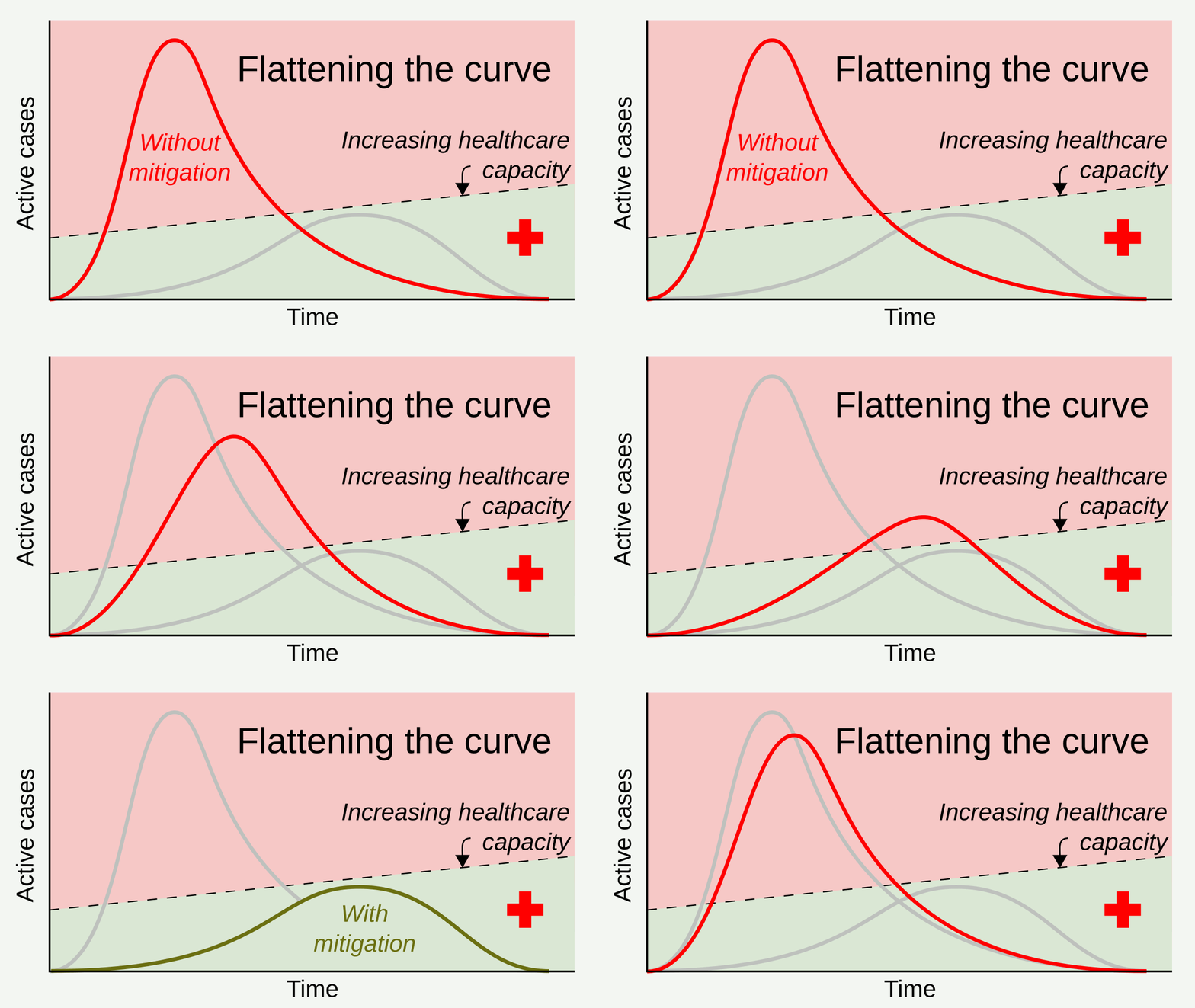


Key measures used
A combination of individual and collective actions is used to achieve this effect. Typical interventions include:
- Isolation of confirmed cases and quarantine of exposed contacts.
- Social distancing measures such as limiting large gatherings, school closures and workplace changes.
- Mask wearing, hand hygiene and respiratory etiquette to reduce transmission risk.
- Testing, contact tracing and targeted restrictions to interrupt chains of infection.
- Surge capacity measures: temporary hospitals, redeployment of staff, and reallocating supplies.
Why it matters
Flattening the curve does not necessarily reduce the total number of infections if no other changes occur; rather, it reduces instantaneous demand on services. Slower spread buys time to expand intensive care and hospital capacity, produce or distribute treatments, and develop vaccines. It also allows health systems to maintain care for non-epidemic conditions. Public health authorities often communicate this concept to justify preventive policies and encourage voluntary behavior changes.
Historical context and examples
The idea predates modern terminology but became widely known during the COVID-19 pandemic when governments and health agencies promoted measures to avoid exceeding hospital and intensive care capacity. Past pandemics, including the 1918 influenza, showed how health-system overload increased mortality, which informed contemporary emphasis on mitigation. Different countries implemented various mixes of interventions and experienced different outcomes.
Benefits, trade-offs and limitations
Benefits include lower short-term mortality risk from overloaded systems and time to develop countermeasures. Trade-offs can be social, economic and psychological: prolonged restrictions affect livelihoods, education and mental health. If measures only delay transmission without additional actions (vaccination, improved treatment, or long-term behavioral change), the outbreak can extend in time. Effectiveness depends on timing, intensity, public compliance and supporting policies such as testing and financial support.
Measuring success and further reading
Public-health officials monitor indicators such as case counts, test positivity, hospital and ICU occupancy, and the effective reproduction number (R). Clear communication, equitable resource allocation and targeted policies improve outcomes. For broader guidance and technical details, see resources on public health strategies, the COVID-19 response, pandemic planning summaries at national agencies and global health bodies, and specific guidance on pandemic preparedness. For practical advice on individual actions consult materials about social distancing and quarantine.
Related articles
Author
AlegsaOnline.com Flatten the Curve — epidemic mitigation strategy Leandro Alegsa
URL: https://en.alegsaonline.com/art/35043
Sources
- thespinoff.co.nz : "The three phases of Covid-19—and how we can make it manageable" · web.archive.org