
Flatbed Truck: Design, Types, Uses and Safety
A flatbed truck (flatbed lorry in British English) is a vehicle with an open, level bed for carrying oversized, irregular or heavy loads; this article explains types, uses and safety considerations.
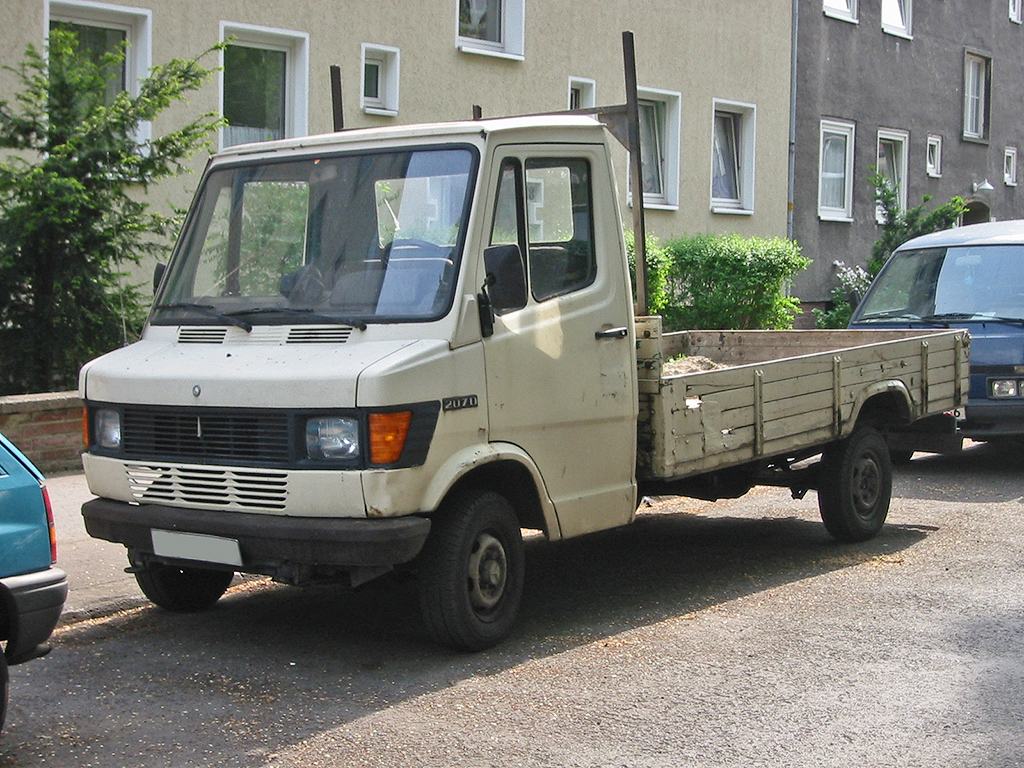
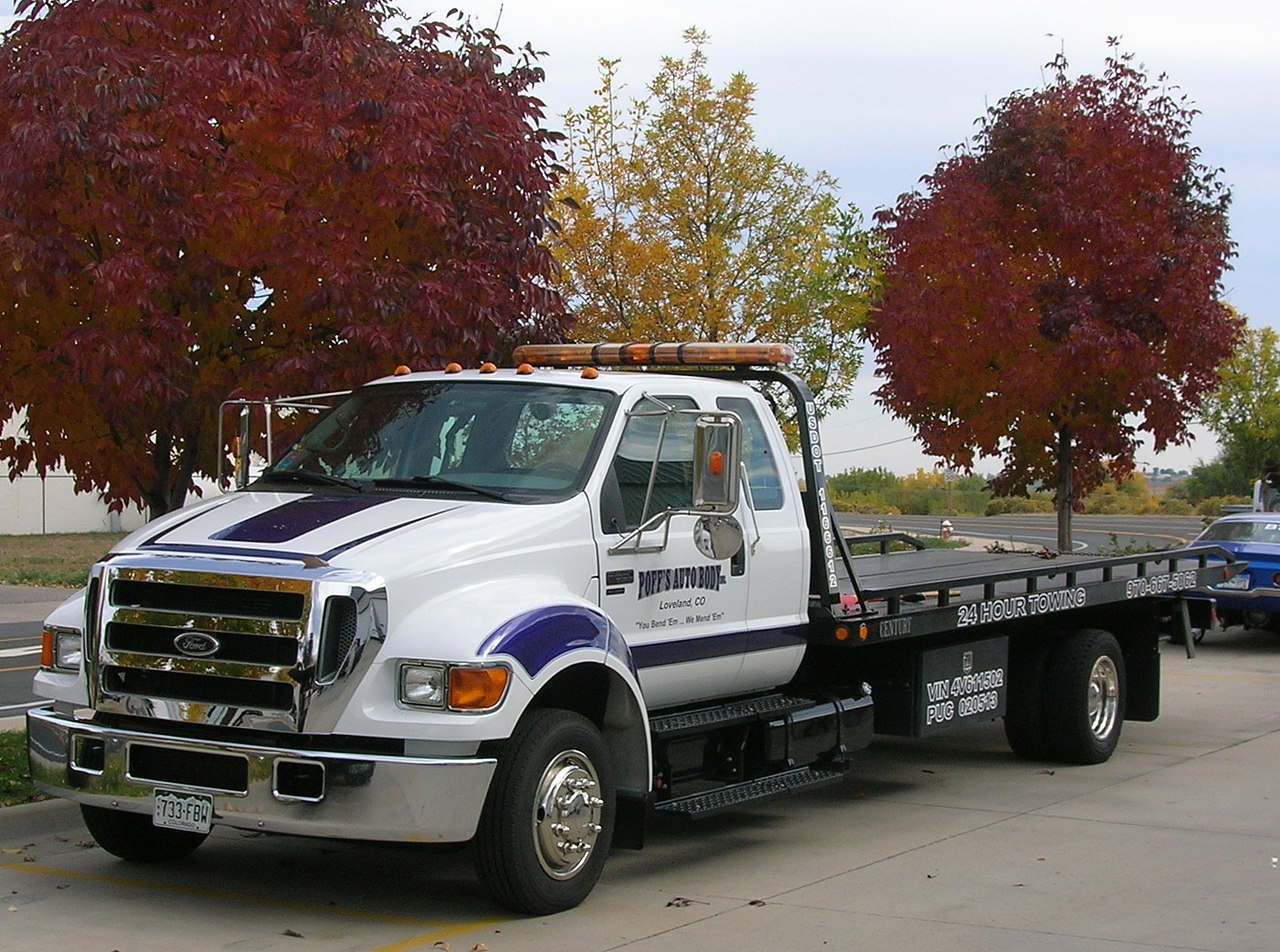
A flatbed truck, sometimes called a flatbed lorry in British English, is a commercial vehicle whose cargo area is a flat, level deck without permanent sides or a roof. This open platform allows freight to be loaded and unloaded from the sides or above, making flatbeds valuable where large, awkward or heavy items must be transported. Flatbeds may be mounted on a rigid chassis or configured as an articulated vehicle with a separate trailer.
Image gallery
8 Images



Characteristics and common features
Typical flatbeds have a solid deck made of wood, steel or aluminum, a framework for securing loads, and multiple anchor points for tie-downs and chains. Many are fitted with removable stakes or bulkheads to restrain cargo temporarily, and some models include sliding winches, rub rails, or winch straps. Loading is often done with a crane, forklift or forklift-equipped dock, and drivers apply tarps or covers when weather protection is required.
Types and variations
- Standard platform: a simple flat deck for general-purpose use.
- Drop-deck (step-deck): lower deck height for taller loads.
- Extendable/expandable: adjustable length for long materials like piping or beams.
- Combination units: stake beds or detachable trailers for specialized needs.
For more on vehicle classifications see flatbed truck resources and distinctions between hauled configurations at articulated versus rigid units.
History, uses and importance
Flatbeds evolved from early freight wagons into motorized trucks as industry demanded flexible cargo solutions. They are widely used in construction, agriculture, manufacturing and logistics to carry lumber, steel, machinery, prefabricated components and other oversized items that will not fit inside enclosed vans.
Safety and legal considerations
Because loads on flatbeds are exposed, securing cargo with appropriate tie-downs, edge protectors and safety chains is legally required in many jurisdictions. Drivers must ensure weight distribution complies with axle limits and that loads are properly covered or flagged when projecting beyond the vehicle. Regular inspections of anchors and restraint equipment reduce the risk of shifting loads and roadway hazards.
Related articles
Author
AlegsaOnline.com Flatbed Truck: Design, Types, Uses and Safety Leandro Alegsa
URL: https://en.alegsaonline.com/art/35035