
First aid kit: purpose, typical contents, maintenance and uses
Overview of first aid kits: common contents, types (home, travel, trauma), storage and maintenance, basic history, practical uses and safety notes for effective emergency care.
A first aid kit is a portable collection of supplies and equipment used to give immediate, short-term care for minor injuries and to stabilize more serious conditions until professional help arrives. Kits are designed to support basic wound care, infection prevention, burns, eye contamination, and other common emergencies. Proper use of a kit is most effective when combined with basic training in first aid practices.
Image gallery
9 Images


Typical contents and characteristics
Although kits vary by purpose and size, commonly recommended items include dressings and consumables, tools, and protective equipment. A well-stocked basic kit often contains:
- Sterile gauze dressings and adhesive bandages in assorted sizes to control bleeding and protect wounds.
- Antiseptic wipes or a mild cleansing agent and single-use antibiotic ointment for infection prevention; note allergy warnings.
- Burn dressing or gel, and an eye wash solution for flushing contaminants from the eye.
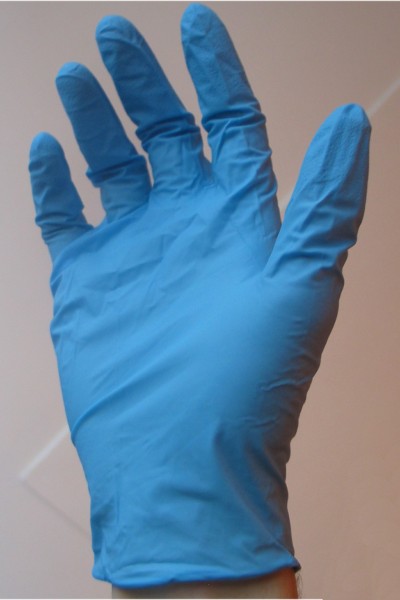
- Latex or non-latex disposable gloves, scissors, tweezers, adhesive tape and safety pins.
- A thermometer for assessing fever and a basic CPR face shield or mask for rescue breaths.
- Personal items: a list of prescription medicines you use and space to store daily medications safely.
- Small, careful-use items some people include, such as a vial of cyanoacrylate (super glue); if kept, follow guidance on safe application and only use appropriate wounds—see more at super glue safety.
Types, organization and tailoring
Kits should be tailored to the environment and users. Typical variations include home kits, car kits, workplace kits, travel or hiking kits, and advanced trauma kits for remote or high-risk activities. A workplace kit might follow regulatory guidance for the industry, while a hiking kit emphasizes compact, lightweight supplies and items for environmental exposure. Consider allergies (for example, latex-free gloves), chronic medical needs, and number of people the kit must serve.
Maintenance, storage and safety
Regular inspection and replacement of expired or used items is essential. Bandages and antiseptics have shelf lives; medicines and sterile dressings can degrade. Store kits in a dry, cool place, clearly labeled and accessible. Keep children’s access in mind. For advice on proper use of antiseptics and antibiotics, consult trusted medical sources such as antibiotic guidance. For thermometer use and fever assessment, guidance is available at thermometer resources.
History and context
Portable collections of medical supplies trace back to military and maritime practice where immediate care could mean the difference between life and death. Organizations that promoted organized civilian first aid, including volunteer and humanitarian groups, helped standardize contents and training over time. Modern kits reflect a balance between mobility, shelf-stable items, and the needs identified by emergency responders and health agencies.
Uses, limitations and notable facts
First aid kits enable rapid response to cuts, burns, sprains and minor infections, and can be lifesaving for severe bleeding or when used with proper training. They do not replace professional medical care; when injuries or symptoms are serious or worsen, seek emergency services. Training in basic first aid and periodic refreshers greatly increases the effectiveness of any kit. Customize kits for activities (sporting events, outdoor trips, long-distance travel) and review contents after each use to keep supplies ready for the next emergency.
Related articles
Author
AlegsaOnline.com First aid kit: purpose, typical contents, maintenance and uses Leandro Alegsa
URL: https://en.alegsaonline.com/art/34508