
Fistula: abnormal channels between organs, vessels, or body surfaces
A fistula is an abnormal passage connecting two hollow organs, vessels or the skin. Causes include injury, infection, inflammation and surgery. Diagnosis and treatment vary with type and location.
Overview
A fistula is an abnormal tubular pathway that connects two epithelial-lined surfaces that are normally separate. These surfaces can be internal (for example between segments of intestine) or between an internal organ and the skin. Fistulas vary in size, duration and clinical significance: some are small and self-limited, while others produce chronic drainage, infection, pain or dysfunction of the involved organs.
Image gallery
4 Images
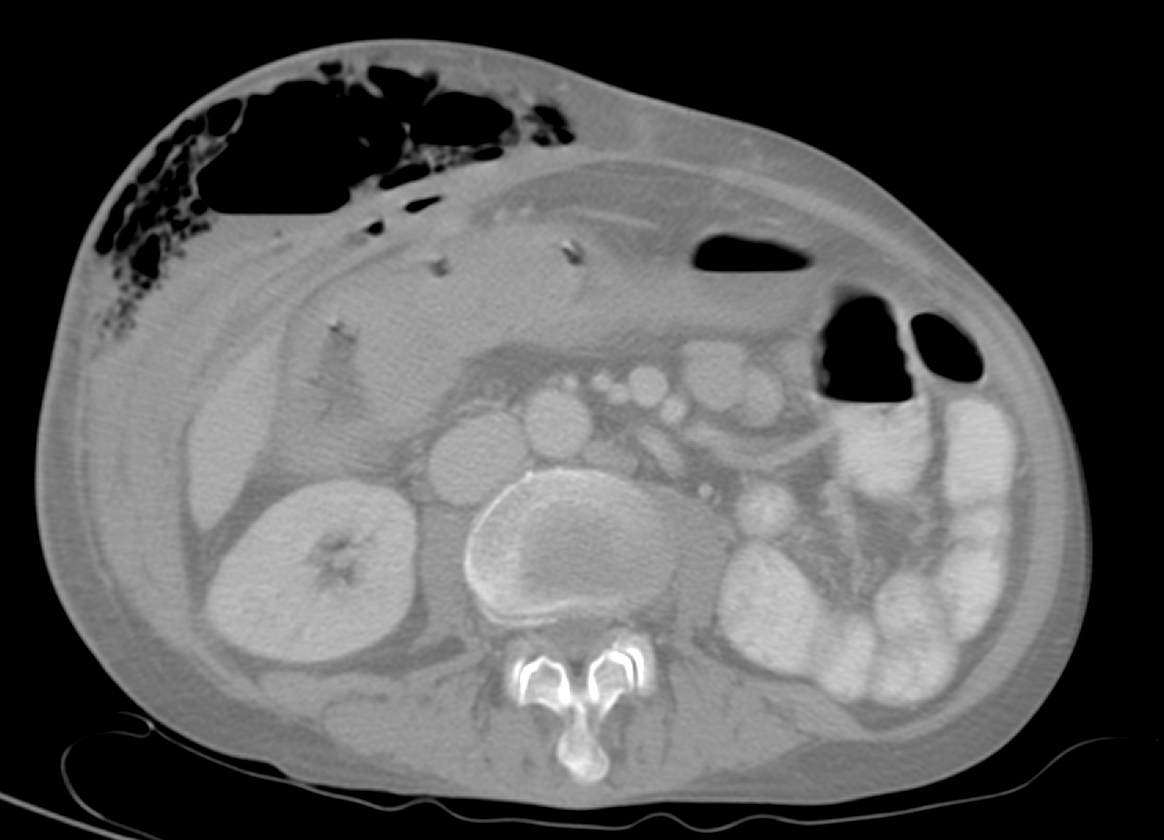


Types and characteristics
Common categories of fistula include:
- Enterocutaneous — between intestine and skin.
- Enteroenteric or enterocolic — between segments of bowel.
- Anal and perianal — often related to anal glands and inflammatory bowel disease.
- Rectovaginal — between rectum and vagina.
- Arteriovenous (AV) — connecting an artery and a vein; these can be pathological or surgically created for dialysis access.
Causes, symptoms and diagnosis
Fistulas form for multiple reasons: penetrating injury, postoperative complications, persistent infection, inflammatory diseases such as Crohn's disease, radiation damage, childbirth trauma and certain cancers. Symptoms depend on location and may include persistent drainage, abnormal passage of stool or urine, bleeding, pain, swelling or systemic infection. Medical evaluation commonly uses physical examination, endoscopy, ultrasound, CT or MRI and contrast studies such as fistulography to define the tract.
Treatment and outcomes
Management is tailored to the type and cause. Conservative measures include wound care, antibiotics and nutritional support. Immunosuppressive therapies (for inflammatory causes) or biologic drugs can help close inflammatory fistulas. Many fistulas require surgical repair: options include incision and drainage, seton placement, fistulotomy, flap repair, resection of diseased bowel, or creation of a protective stoma. Surgically created AV fistulas are intentionally formed to permit long-term hemodialysis access and are distinct from disease-associated fistulas.
History, terminology and notable points
The term derives from a Latin word meaning "tube" or "pipe," reflecting the channel-like nature of the lesion. In everyday clinical practice the word "fistula" is used broadly; clinicians distinguish between congenital and acquired fistulas and between those created therapeutically and those that are pathologic. Untreated fistulas can lead to chronic infection, skin breakdown, malnutrition or sepsis, so prompt diagnosis and an appropriate multidisciplinary plan are important.
Further reading and references
For brief pointers and background see sources on etymology, the original Latin sense of the word, and its meaning as "pipe" or "tube" in older texts (pipe). Medical definitions and clinical overviews appear in standard references (medical) describing an abnormal connection between structures such as blood vessels, intestines or other hollow organs. Common causes include injury, postoperative complications or surgery, as well as infection and chronic inflammation. Clinically, a fistula is considered a pathological condition unless intentionally created for therapy.
Questions and answers
Q: What is a fistula?
A: In medicine, a fistula is an abnormal connection between two hollow spaces, such as blood vessels, intestines, or other hollow organs.
Q: Where does the word fistula come from?
A: The word fistula comes from a Latin word that means tube or pipe.
Q: What causes fistulas?
A: Fistulas are usually caused by injury or surgery, but they can also result from an infection or inflammation.
Q: Are all fistulas a disease condition?
A: Yes, fistulas are generally a disease condition.
Q: Can doctors create fistulas by surgery?
A: Yes, doctors may create fistulas by surgery for medical reasons.
Q: What organs can be affected by a fistula?
A: Fistulas can affect blood vessels, intestines, or other hollow organs.
Q: Is a fistula a common medical condition?
A: Fistulas are not a common medical condition, but they can have significant health consequences and require medical attention.
Related articles
Author
AlegsaOnline.com Fistula: abnormal channels between organs, vessels, or body surfaces Leandro Alegsa
URL: https://en.alegsaonline.com/art/34661
Sources
- nlm.nih.gov : "Fistula"