
Filozoa: the clade linking animals and their closest unicellular relatives
Filozoa is the evolutionary group within Opisthokonta that contains animals and their nearest single-celled relatives (choanoflagellates and filastereans). It is central to studies of animal origins.
Filozoa is a major evolutionary group defined within the larger Opisthokonta. It unites all animals (Kingdom Animalia) with a small set of closely related unicellular or simple-colony lineages. In phylogenetic terms Filozoa is often described as a clade, meaning its members descend from a common ancestor not shared with other groups in the same broader lineage.
Image gallery
10 Images


Defining features
Members of Filozoa share genetic and cellular characteristics that reveal their common ancestry. Single-celled filozoans show collars of microvilli and a rearward flagellum in many cases, a cell arrangement that resembles the collar cells of sponges. Molecular studies of genes and genomes—rather than single visible traits—provide the strongest evidence for grouping these organisms together. Comparative genomics has identified suites of proteins and regulatory elements that predate animal multicellularity but were later co-opted in animals.
Major groups
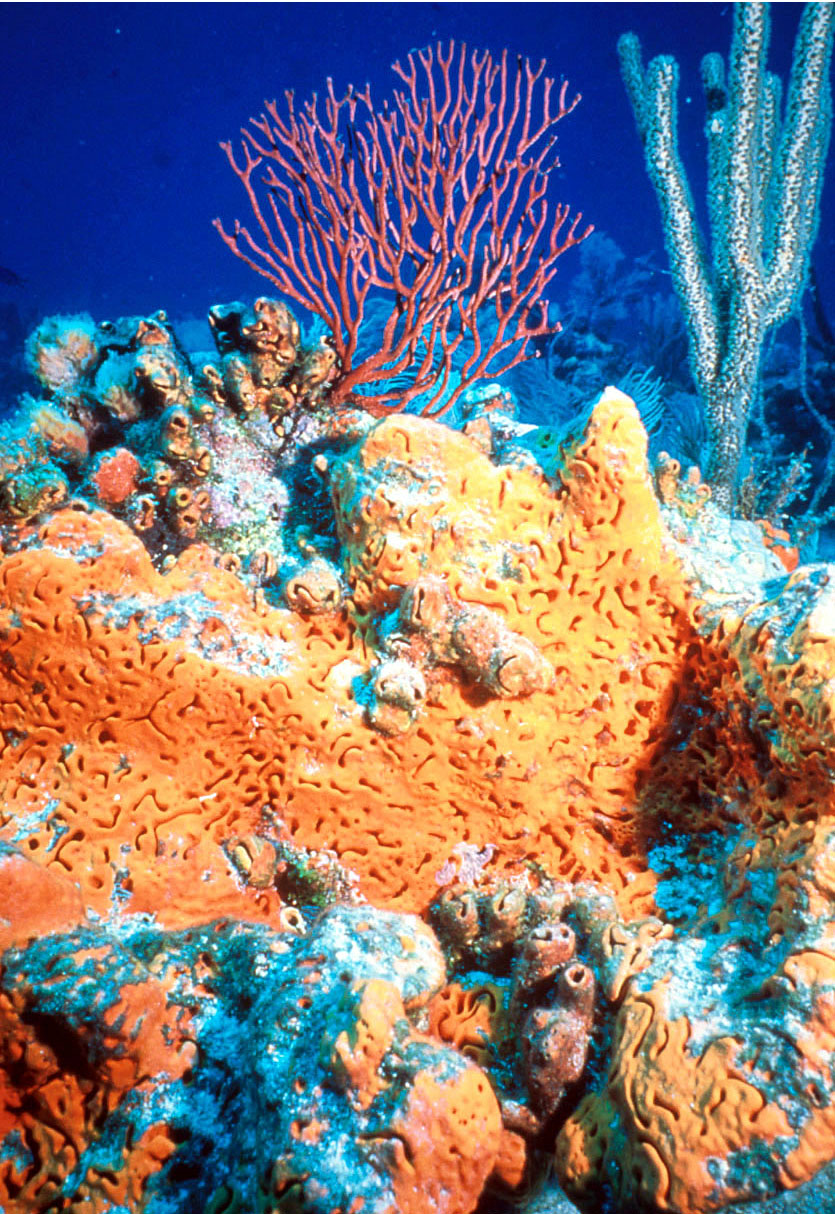
- Animalia — the multicellular animals, often called Metazoa, from sponges and cnidarians to vertebrates.
- Choanoflagellatea — mostly unicellular or colonial flagellates whose collar-bearing cells closely resemble sponge choanocytes.
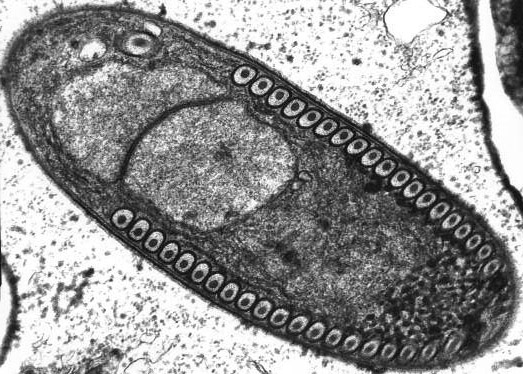
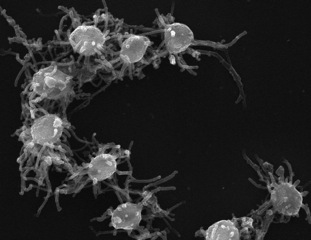
- Filasterea — small, mostly amoeboid lineages with distinct molecular signatures that place them nearer to animals than to fungi.
Origin and evolutionary significance
Filozoa is thought to have diverged from other opisthokonts well before the rise of animal body plans. Fossil evidence for the earliest members is limited, so researchers rely heavily on molecular clocks and comparative cell biology to reconstruct timing and sequence of events. The similarities between choanoflagellates and sponge choanocytes have long suggested that the last common ancestor of animals and their closest relatives possessed a set of cellular tools that facilitated later evolution of multicellularity.
Why Filozoa matters
Studying filozoans helps scientists identify the genetic and cellular innovations required for animals to become multicellular and build tissues. Choanoflagellates and filastereans serve as living points of comparison for developmental and genomic studies. Insights gained from these lineages inform broader questions about how complex life forms evolve, how cell signalling and adhesion systems originated, and how ecological interactions shaped early animal evolution.
Distinctions and notable facts
While Filozoa sits inside Opisthokonta, it is distinct from the lineage that leads to fungi and fungal relatives—sometimes grouped as Holomycota. That distinction is grounded in both morphological differences and extensive molecular evidence. Ongoing research continually refines internal relationships within Filozoa and clarifies how particular genes and cell types were repurposed during the emergence of animals.
For an accessible starting point to related concepts see a short discussion of taxa and clades (clade) or broader Opisthokont relationships (Opisthokonta). Comparative work with choanoflagellates (Choanoflagellatea) and filastereans (single-celled relatives) continues to shed light on animal origins, while resources on fungi (Fungi) and animals (Animalia) provide useful contrasts.
Questions and answers
Q: What is Filozoa?
A: Filozoa is a clade that includes animals and their close single-celled relatives.
Q: What clade is Filozoa in?
A: Filozoa is in the Opisthokonta clade.
Q: Which groups are included in Filozoa?
A: Three groups are in Filozoa: Filasterea, Choanoflagellatea, and Kingdom Animalia.
Q: Which group in Filozoa is the most important one?
A: The most important group in Filozoa is Kingdom Animalia, which has all proper animals in it.
Q: Are the single-celled relatives of animals more closely related to fungi or animals?
A: The single-celled relatives of animals are more closely related to animals than they are to fungi and other Opisthokonts.
Q: What is a clade?
A: A clade is a group of plants or animals with a common ancestor.
Q: What is the difference between animals and fungi in Filozoa?
A: The single-celled relatives in Filozoa are more closely related to animals than they are to fungi.
Related articles
Author
AlegsaOnline.com Filozoa: the clade linking animals and their closest unicellular relatives Leandro Alegsa
URL: https://en.alegsaonline.com/art/34333
Sources
- ncbi.nlm.nih.gov : "Multigene phylogeny of choanozoa and the origin of animals"
- doi.org : 10.1371/journal.pone.0002098
- pubmed.ncbi.nlm.nih.gov : 18461162