
Fight-or-Flight Response: The Acute Stress Reaction in Animals and Humans
Overview of the fight-or-flight (acute stress) response: triggers, physiological changes, history, evolutionary purpose, clinical relevance, and distinctions from related responses.
Overview
The fight-or-flight response, also called the acute stress response, is a rapid set of physiological and behavioral changes that animals and humans exhibit when faced with immediate danger or challenge. These are adaptive adjustments designed to improve chances of survival when an organism is threatened. The term covers coordinated changes in cardiovascular, respiratory and metabolic systems often referred to collectively as physiological reactions to acute stress.
Image gallery
4 Images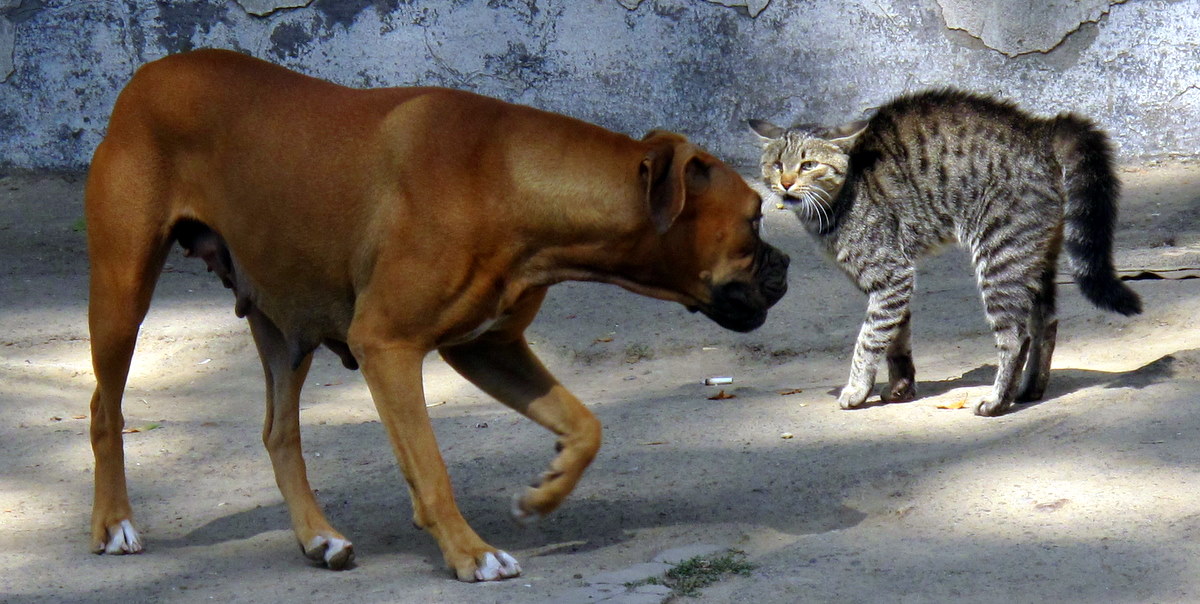



Typical physiological changes
Activation of this response shifts the body from rest toward high readiness. Common measurable changes include:
- Accelerated heart rate, increasing blood delivery to muscles.
- Faster breathing to raise oxygen intake.
- Elevated blood pressure to maintain perfusion under demand.
- Release of adrenaline and noradrenaline and rapid mobilization of glucose for energy.
- Pupil dilation, reduced digestion, and redirected blood flow away from skin and gut toward skeletal muscles.
These effects are produced largely by a burst of activity in the sympathetic nervous system, which works together with endocrine signals from the adrenal glands.
History and concepts
The pattern was first characterized in the early 20th century by physiologists such as W. B. Cannon, who observed a general sympathetic discharge to threats. Later researchers described broader frameworks—commonly called the general adaptation to stress—that place the acute response in a larger sequence of stress phases. Studies show the basic mechanism is conserved across many vertebrate groups (vertebrates) and has analogues in other life forms (other organisms).
Function, examples and modern relevance
Evolutionarily, rapid mobilization of resources enabled fleeing predators, defending territory, or escaping hazards. In modern life, the same system responds to non-life-threatening stressors such as public speaking, exams or job pressure. While brief activation is protective, chronic or repeated arousal is linked to cardiovascular, metabolic and mental health problems.
Clinical notes and distinctions
Clinically, exaggerated or poorly regulated responses are implicated in panic disorder, PTSD and certain anxiety conditions. Therapies focus on regulating arousal (for example through breathing, relaxation, cognitive-behavioral methods) and, when appropriate, medication. It is also important to distinguish fight-or-flight from related patterns such as freezing, fainting or the "tend-and-befriend" response observed in some social contexts and populations.
Further reading
For concise introductions and detailed summaries consult accessible resources on physiology and stress science (physiological textbooks, historical reviews like Cannon's work and subsequent syntheses). More applied sources address treatment strategies and public-health implications of chronic stress.
Questions and answers
Q: What is the fight or flight response?
A: The fight or flight response is a set of physiological changes that occur when an animal is threatened.
Q: What are the physiological changes that occur during the fight or flight response?
A: The changes include increased heart rate, breathing rate and blood pressure.
Q: Who first described the fight or flight response?
A: The fight or flight response was first described by W.B Cannon.
Q: How do animals react to threats?
A: Animals react to threats with a general discharge of the sympathetic nervous system.
Q: What does the sympathetic nervous system do during the fight or flight response?
A: The sympathetic nervous system leads to changes such as increased heart rate, breathing rate, and blood pressure.
Q: What is the purpose of the fight or flight response?
A: The purpose of the fight or flight response is to prepare the individual for fighting or fleeing.
Q: What is the fight or flight response a part of?
A: The fight or flight response is the first stage of a general adaptation that regulates stress responses among vertebrates and other organisms.
Related articles
Author
AlegsaOnline.com Fight-or-Flight Response: The Acute Stress Reaction in Animals and Humans Leandro Alegsa
URL: https://en.alegsaonline.com/art/34260
Sources
- psychcentral.com : "What's the purpose of the fight or flight response?"
- doi.org : 10.1080/10253890701288935
- pubmed.ncbi.nlm.nih.gov : 17514579