
Feng Ting-kuo: Taiwanese politician (1950–2018)
Feng Ting-kuo (馮定國; 1950–2018) was a Taiwanese elected official who served on the Taipei City Council, in the National Assembly and as a member of the Legislative Yuan representing Taichung County.
Feng Ting-kuo (traditional Chinese: 馮定國; simplified Chinese: 冯定国; pinyin: Féng Dìngguó; 24 September 1950 – 5 June 2018) was a Taiwanese politician who held elected office at municipal and national levels. Over more than two decades he served as a city councilor, a member of the National Assembly and as a legislator representing Taichung County in the Legislative Yuan. His career spanned a period of political liberalization and institutional reform in Taiwan.
Image gallery
1 Image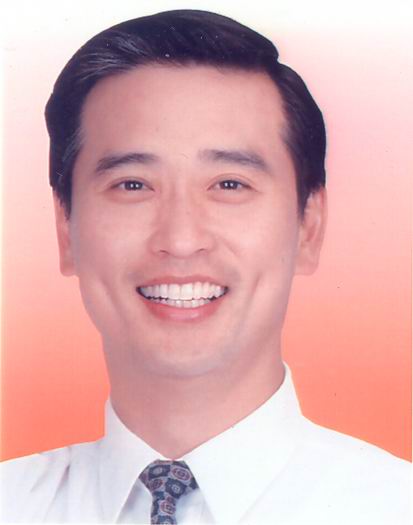
Political career and offices
Feng began his publicly recorded elected service on the Taipei City Council, where he served from 1985 to 1988. He later sat in the National Assembly from 1992 to 1996, a body that historically had responsibilities for constitutional review and certain electoral functions. Following that tenure he was elected to the Legislative Yuan as a representative for Taichung County and served in the national legislature until 2008. During these years he participated in lawmaking, local advocacy and parliamentary oversight functions typical of those offices.
Historical and institutional context
Feng's years in office coincided with Taiwan's transition from one-party rule toward a more fully competitive democracy. The late 1980s and 1990s saw major political change, including the lifting of long-standing emergency restrictions and successive steps in electoral and constitutional reform. The National Assembly's role was progressively reduced through constitutional amendments and institutional changes, while the Legislative Yuan continued as the primary national legislature.
Representative role and local ties
As a city councilor and later as a national legislator, Feng's responsibilities combined constituency service—responding to local concerns of residents in Taichung County—with participation in debates on national policy, budgeting and oversight of the executive. Taichung County, which historically surrounded Taichung City, had a mix of urban and rural communities; local representatives typically worked on infrastructure, social services and agricultural or industrial issues important to their constituents. (In later administrative reorganizations nationwide, some counties and cities were merged into larger special municipalities.)
Death and legacy
Feng died in the early morning of 5 June 2018 at the age of 67. Reports indicated the cause was cardiac arrest. While not widely known outside Taiwan, Feng was regarded within political circles as part of a generation of public servants who moved between municipal and national roles during a formative era for Taiwan's democratic institutions. His long service illustrates common career paths in Taiwanese politics and the evolving responsibilities of local and national representatives.
For additional biographical detail, speeches or records of committee work, consult official legislative archives, contemporaneous news coverage and institutional histories of Taiwan's councils and the Legislative Yuan. General overviews of the National Assembly's changing functions and the Legislative Yuan's role are available in parliamentary and constitutional studies.
Chinese name references: traditional script 馮定國, simplified script 冯定国, pinyin Féng Dìngguó. Legislative context: Legislative Yuan. Reported cause of death: cardiac arrest.
Related articles
Author
AlegsaOnline.com Feng Ting-kuo: Taiwanese politician (1950–2018) Leandro Alegsa
URL: https://en.alegsaonline.com/art/33979
Sources
- udn.com : 前親民黨立委馮定國辭世 得年67歲
- chinatimes.com : 親民黨前立委馮定國心肌梗塞 今晨逝世