
Fatwa: Islamic legal opinion and its role in Islamic law
A fatwa is an Islamic legal opinion issued by a mufti to clarify points of fiqh and Sharia. This article explains what fatwas are, how they are produced, their history, uses, and modern challenges.
Fatwa (Arabic: فتوى; plural fatāwa) is a legal opinion in Islam offered by a qualified jurist, typically called a mufti. It responds to questions about religious duties, social conduct, or legal matters where Islamic jurisprudence (fiqh) appears unclear. A fatwa interprets and applies principles drawn from primary sources such as the Qur'an and Hadith, together with juristic methods, to an individual or community query.
Image gallery
6 Images

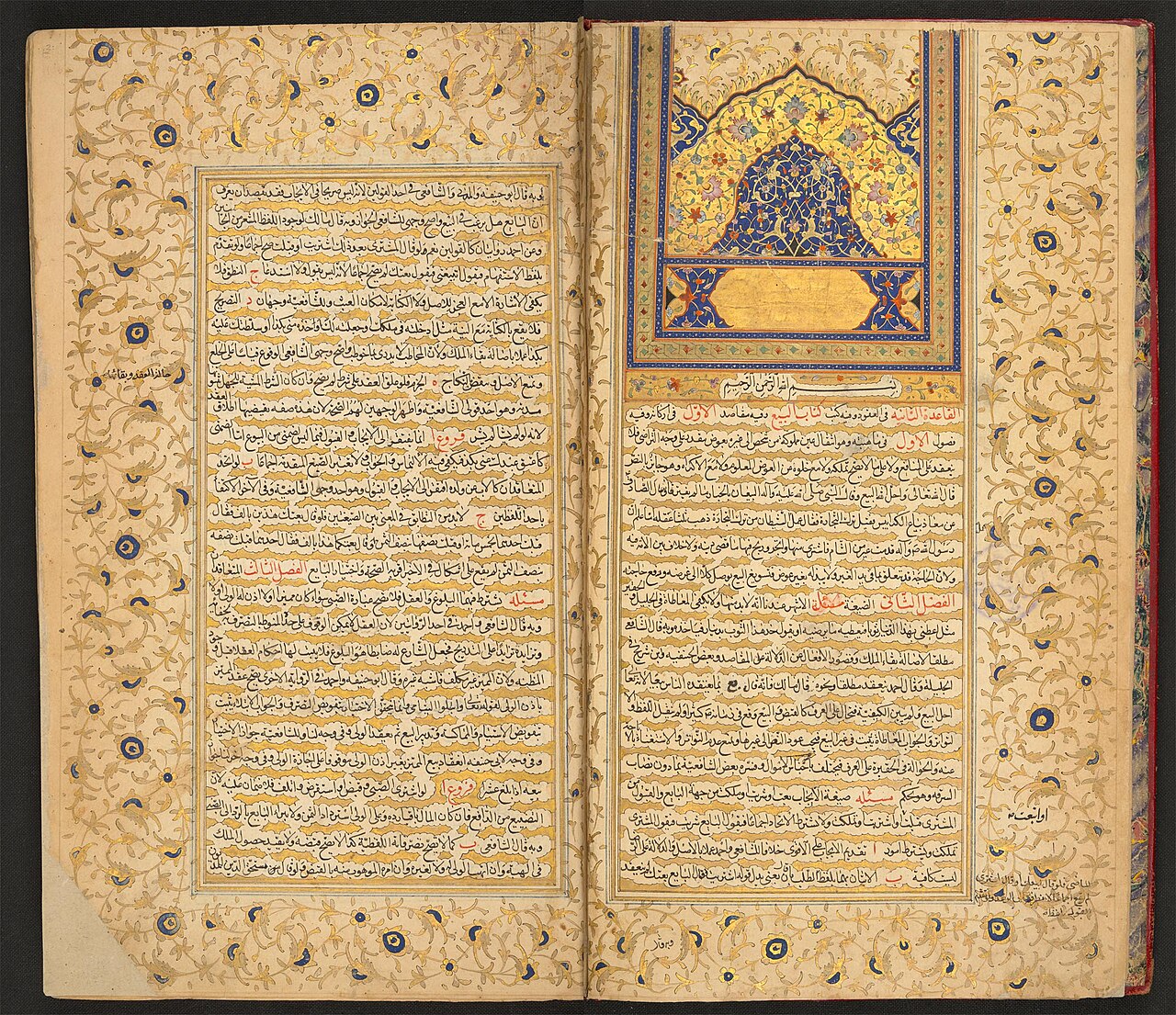



Characteristics and procedure
A fatwa is not a formal court judgment but a scholarly ruling intended to guide the questioner. The process often begins with a request (called an istifta), after which the mufti examines evidence and reasoning (including Sharia texts and established legal tools). Typical elements of issuance include statement of the question, review of relevant texts, application of analogical reasoning (qiyas) or other methods, and a reasoned conclusion. Different madhhabs (legal schools) and national systems set varying expectations for who may issue fatwas and how they are to be used.
History and development
Fatwas have existed since the formative centuries of Islam as part of a living tradition of juristic interpretation. Over time they became institutionalized: scholars in mosques, courts, and religious councils produced fatwas for rulers, judges, and laypeople. With the rise of modern nation-states, state-sponsored religious bodies and official muftiates emerged in some countries, altering how fatwas are produced and circulated. Contemporary technology — print, radio, and the internet — has widened access to fatwas and changed their speed and audience.
Uses, examples, and importance
- Everyday life: questions on ritual practice, dietary rules, and family matters.
- Finance and business: guidance on contracts, interest, and commerce under Islamic law.
- Medical and ethical issues: rulings about new treatments, bioethics, and end‑of‑life care.
- Technology and modernity: answers related to electronics, digital finance, and social media use.
These examples show how fatwas bridge classical texts and changing circumstances, offering religiously grounded advice for matters not explicitly addressed in early sources.
Authority, limits, and contemporary issues
Fatwas vary in authoritative weight. A private mufti's opinion may be advisory, while a state-sanctioned fatwa or one adopted by a court can have binding effects in some systems. The distinction between a fatwa and a legal judgment (qada') is important: judges render enforceable decisions, whereas fatwas advise. Modern debates center on the legitimacy of online or politically motivated fatwas, pluralism among schools of thought, and how to reconcile traditional methods with new social realities. Scholars caution consumers of fatwas to consider the issuing authority's qualifications and context.
For further reading and comparative perspectives see sources on the terminology and reception of fatwas in different communities: terminology and jurisprudence, legal distinctions and institutions, and broader discussions of Islamic law and its application today.
Related articles
Author
AlegsaOnline.com Fatwa: Islamic legal opinion and its role in Islamic law Leandro Alegsa
URL: https://en.alegsaonline.com/art/33659