
Fifteenth Amendment to the United States Constitution
Ratified in 1870, the Fifteenth Amendment prohibits denial of the vote on the basis of race, color, or previous condition of servitude. It shaped Reconstruction-era policy and required later enforcement measures.
Overview
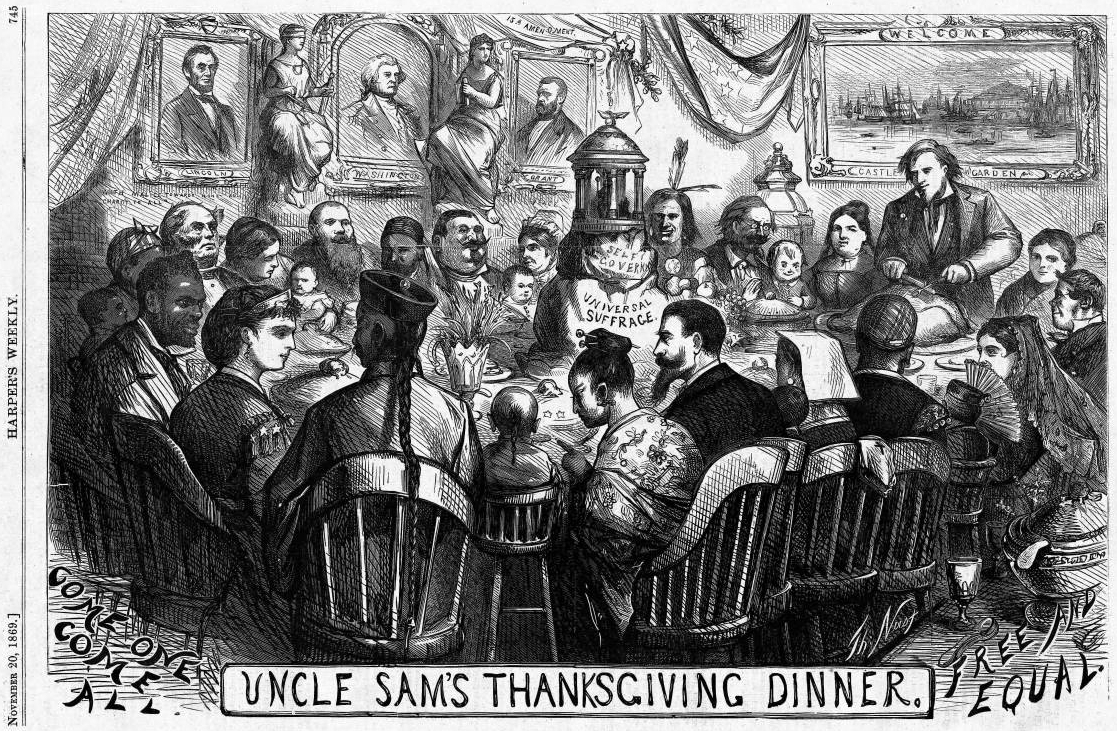
The Fifteenth Amendment, adopted in 1870, is a constitutional provision that bars the federal government and the states from denying a citizen the right to vote because of race, color, or previous condition of servitude. It was the third of the Reconstruction Amendments and aimed to secure voting rights for formerly enslaved men after the Civil War. Its passage marked a significant legal step toward racial equality in political participation, though practical access to the ballot remained contested for decades.
Image gallery
6 Images



Key provisions and enforcement
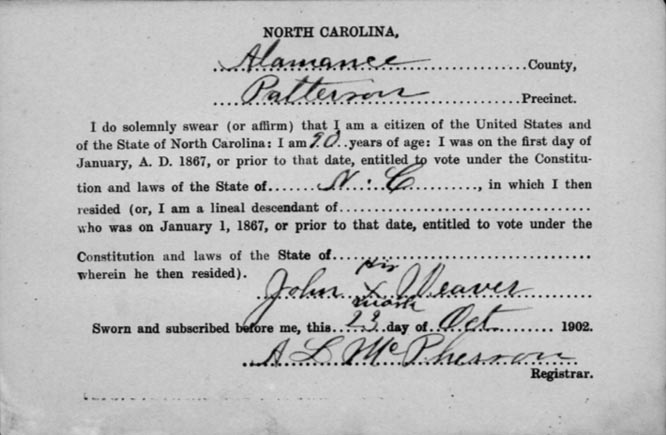
The amendment contains a general prohibition on race-based voting restrictions and grants Congress authority to enforce its terms through legislation. In practice, this enforcement clause became the basis for later federal actions to protect minority voting rights. Early enforcement was uneven, and many jurisdictions adopted measures that effectively excluded Black Americans despite the amendment’s language.
Historical context and development
Passed during the Reconstruction era, the amendment followed the abolition of slavery and the extension of citizenship. It responded to the urgent political question of enfranchising formerly enslaved men, while suffrage for women was not addressed at that time. Southern states, however, implemented devices such as literacy tests, poll taxes, and other restrictions that, combined with intimidation and violence, suppressed minority turnout.
Impact and later developments
The Fifteenth Amendment established a constitutional guarantee that courts and Congress have interpreted and applied in successive eras. Significant federal voting-rights legislation and court decisions in the 20th century strengthened protections against discriminatory practices. The amendment remains a cornerstone of American electoral law and civil rights, even as debates continue about the most effective ways to secure equal access to the ballot.
Notable distinctions
- The amendment is commonly grouped with other Reconstruction measures; see Reconstruction Amendments.
- While it prohibited race-based denial of the vote, it did not by itself eliminate other obstacles to voting.
- Congressional enforcement powers in the amendment provided the basis for later civil rights statutes.
Related articles
Author
AlegsaOnline.com Fifteenth Amendment to the United States Constitution Leandro Alegsa
URL: https://en.alegsaonline.com/art/34246
Sources
- history.com : "Fifteenth Amendment"
- archives.gov : "The Constitution of the United States: Amendments 11-27"
- constitutioncenter.org : "The Fifteenth Amendment"
- archives.gov : "19th Amendment to the U.S. Constitution: Women's Right to Vote"
- u-s-history.com : "Background of the 15th Amendment"
- scholastic.com : "15th Amendment"
- blackpast.org : "Grandfather Clause, The (1898–1915)"
- texaspolitics.utexas.edu : "Smith vs. Allwright: white primaries"
- justice.gov : "History of Federal Voting Rights Laws"