
Fargo, North Dakota
Fargo is the largest city in North Dakota, a regional center for education, health care and commerce located on the Red River near the Minnesota border.
Overview
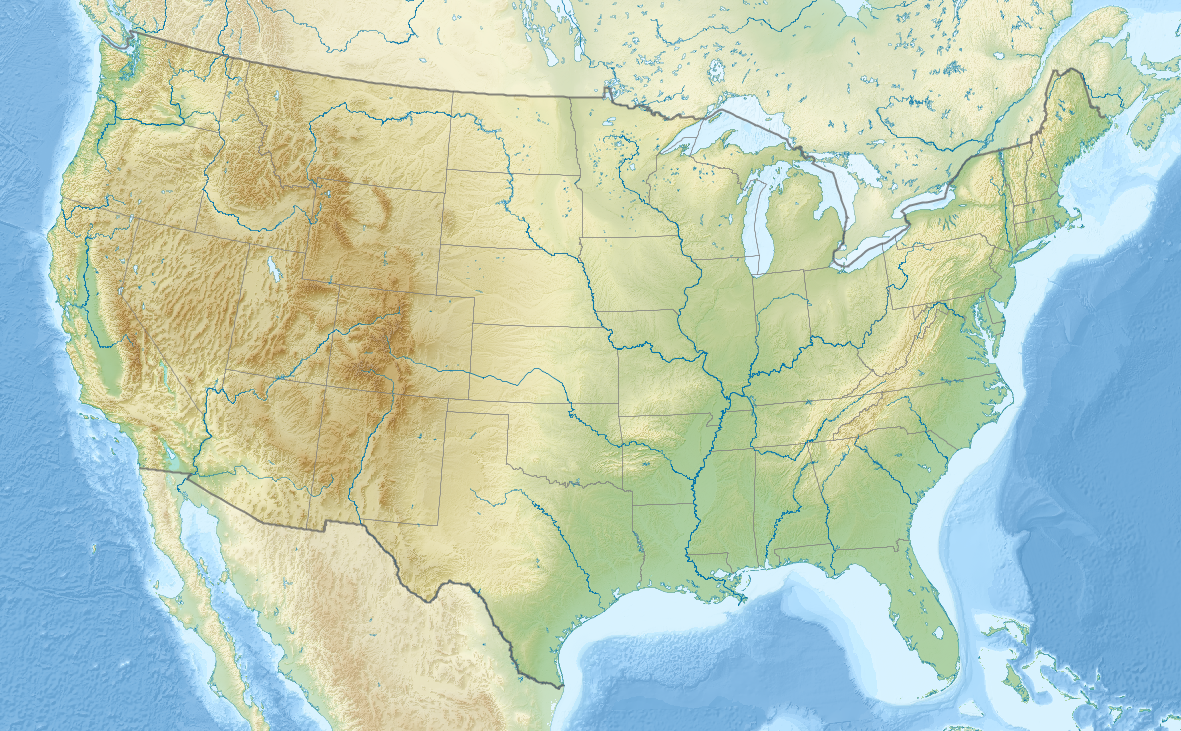
Fargo is the largest city in the state and a principal city of eastern North Dakota's economic region. It lies on the Red River of the North near the Minnesota border; the nearby state of Minnesota is directly across the river and forms a closely linked metropolitan area. The city functions as a regional hub for commerce, medical services and higher education.
Image gallery
10 Images



History
Founded during westward railroad expansion, Fargo originated as a frontier settlement established in 1871. It grew quickly as rail lines and commerce connected the Plains to eastern markets. The city's name and early development are tied to transportation and freight; over time Fargo evolved from a railroad town into a diversified urban center that anchors a broader agricultural and service economy.
Population and growth
According to the census count of 2010, Fargo had a recorded population of 105,549. That figure reflected decades of steady growth as employers, universities and health systems attracted residents from across the region. The metropolitan area includes communities on both sides of the Red River and serves a much larger hinterland than the city alone.
Geography, transport and climate
Fargo occupies flat river plain terrain that is prone to seasonal flooding but favorable for agriculture and transport. Two major interstate highways cross near the city, providing long-distance links and freight routes:
The climate is continental: cold, snowy winters and warm summers. Flood control and levee systems are important parts of local planning because the Red River rises frequently in spring runoff.
Economy, institutions and culture
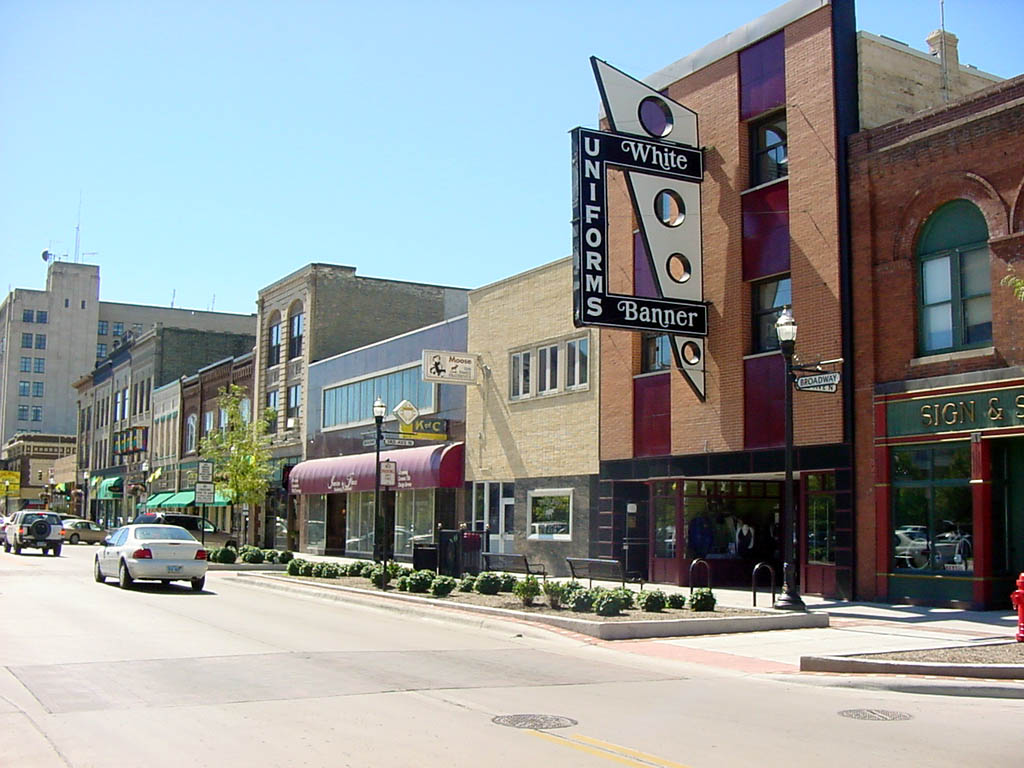
Fargo's economy blends education, health care, technology and agriculture-related services. North Dakota State University contributes research, a student population and cultural programming. Large clinics and hospital systems serve the region, while small and medium technology firms have expanded in recent decades. Cultural life includes theaters, museums, festivals and a growing arts scene that supports local and regional artists.
Notable points
Although the name "Fargo" reached wider recognition through popular media, the city itself is known for pragmatic civic development and community events. Its role as a regional service center — linking rural areas to urban amenities — remains a defining characteristic. For more details and resources, see regional information and official pages linked below.
Related links: largest city, United States, state, North Dakota, eastern, Minnesota, border, 1871, population, 2010, census, Interstate 29, Interstate 94
Related articles
Author
AlegsaOnline.com Fargo, North Dakota Leandro Alegsa
URL: https://en.alegsaonline.com/art/33527