
1871: A Year of Political Upheaval, Urban Disaster, and Global Realignment
Overview of 1871: German unification, the Paris Commune, major North American fires, key treaties and laws, and political and social consequences that reshaped late 19th-century states and society.
Overview
The year 1871 witnessed rapid and consequential change across Europe, North America and beyond. It is remembered for the proclamation of the German Empire, the radical experiment of the Paris Commune, some of the deadliest urban and forest fires in American history, and several diplomatic and legal settlements that adjusted international relations after recent wars. These events accelerated political realignments, influenced social movements, and prompted urban, administrative and legal reforms.
Image gallery
10 Images






Major political events
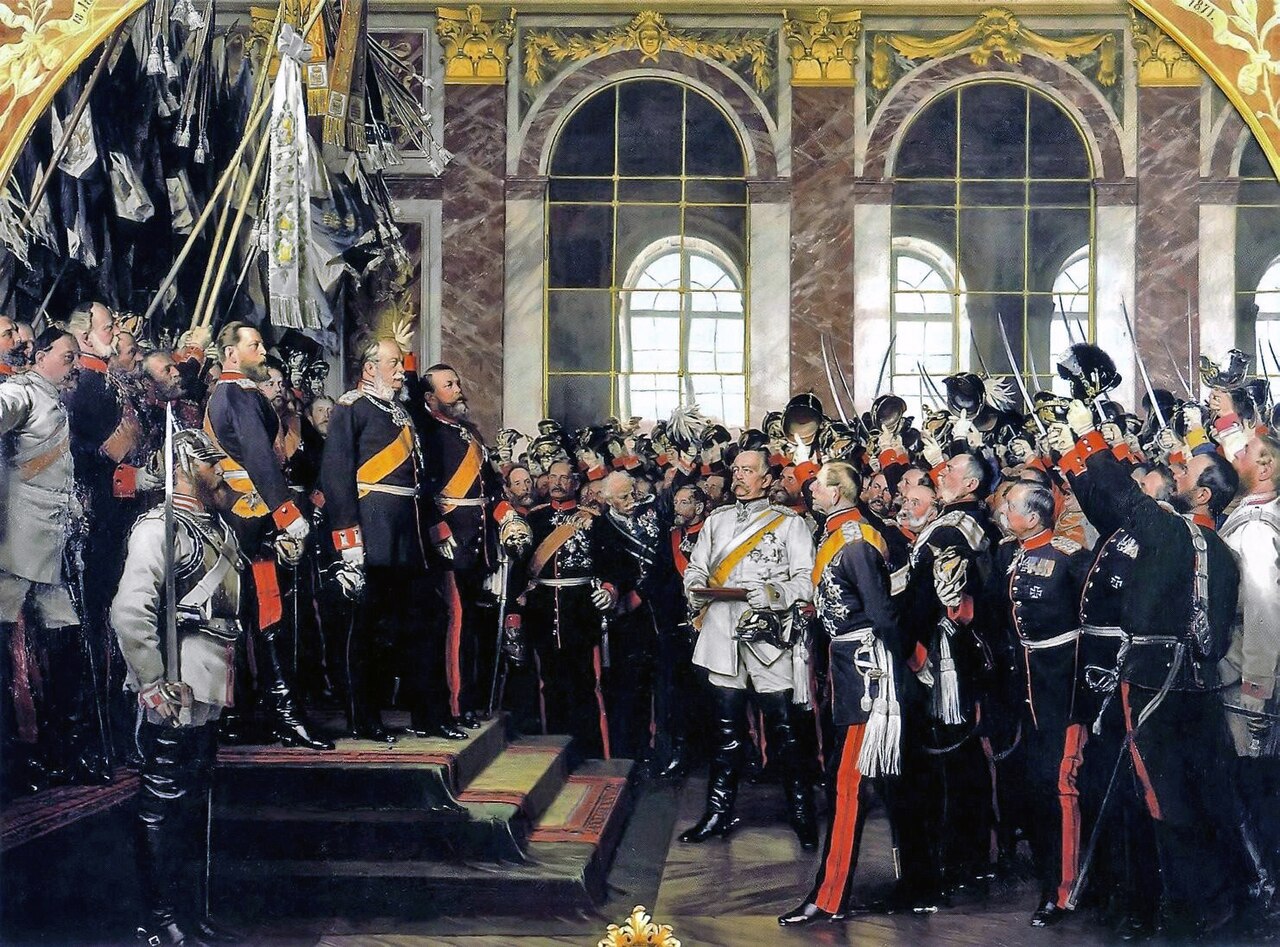
On January 18, 1871, the German Empire was proclaimed at the Palace of Versailles, completing a process of unification led by the Kingdom of Prussia under King Wilhelm I and Chancellor Otto von Bismarck. The Franco-Prussian War, which culminated in this outcome, ended with a peace that altered borders and imposed reparations. In Rome, which had been taken from papal control in 1870, the Italian state consolidated its unification with the transfer of the capital to Rome in 1871.
The Paris Commune
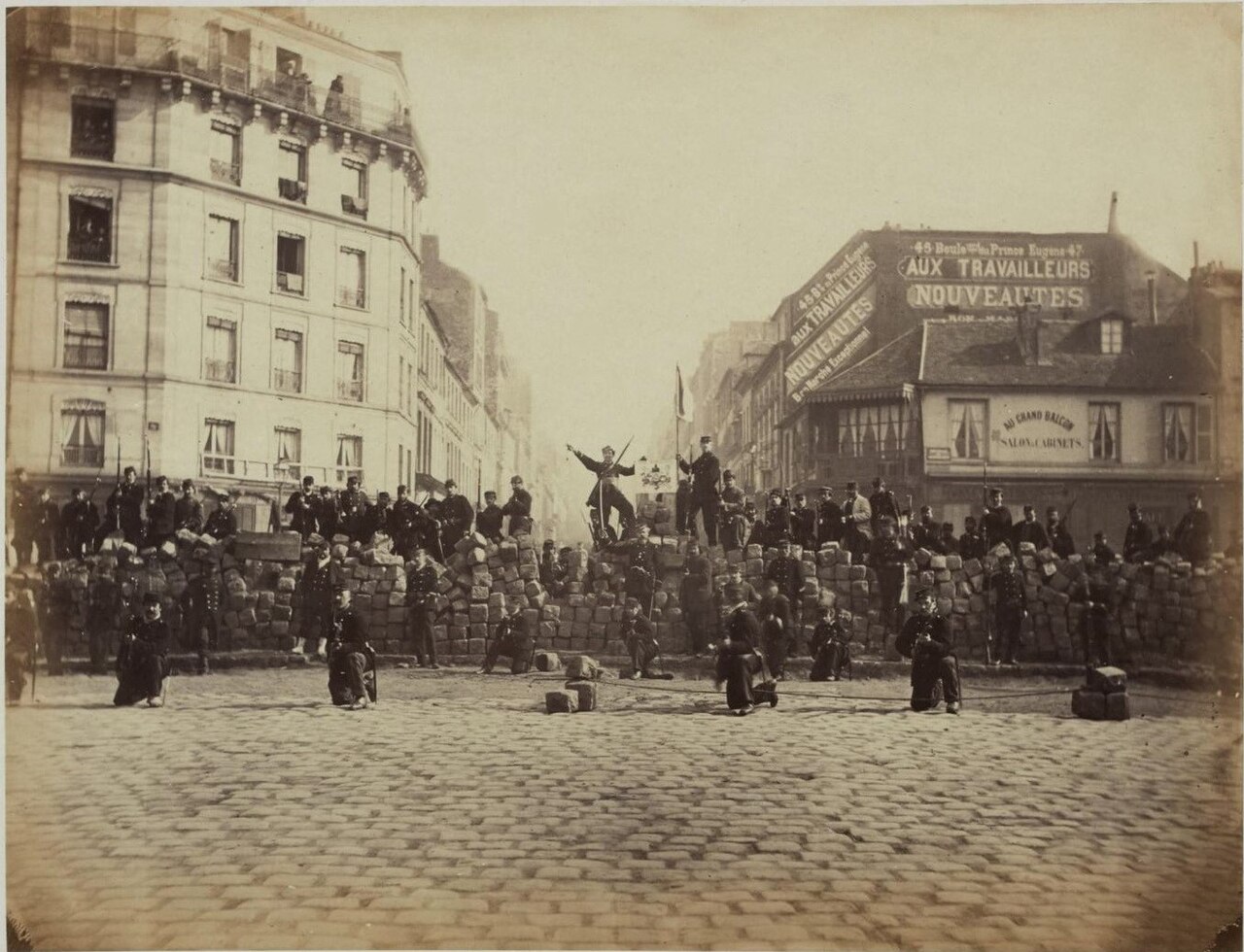
In March 1871 a popular insurrection in Paris produced the Paris Commune, a municipal government led by radical socialists and workers that sought municipal autonomy and social reforms. The Commune governed for two months before being suppressed by French government forces in May. Its defeat, and the harsh repression that followed, became a focal point for later socialist, labor and revolutionary movements across Europe.
Disasters and social impact
October 1871 brought catastrophic fires in the United States. The Great Chicago Fire destroyed large parts of Chicago and accelerated debates about urban planning, building materials and firefighting organization. On the same date the Peshtigo Fire in Wisconsin burned vast tracts of forest and communities and is considered one of the deadliest wildfires in U.S. history. These disasters highlighted vulnerabilities associated with rapid urban growth and frontier settlement and spurred municipal reforms and changes in insurance and land management.
Diplomacy and law
Several important treaties and statutes of 1871 reshaped relations between states and the powers of national governments. The Treaty of Frankfurt (May 10) ended the Franco-Prussian War and ceded territory in Alsace-Lorraine to Germany, while the Treaty of Washington (1871) between the United States and Great Britain settled outstanding disputes and established arbitration mechanisms for international claims. In the United States, the Enforcement Acts and the Civil Rights Act of 1871 strengthened federal authority to protect civil rights and to suppress violent organizations undermining Reconstruction.
Other international developments
- Japan launched the Iwakura Mission (1871–73), a major diplomatic and study tour that influenced Meiji-era modernization and reforms.
- British Columbia joined the Canadian Confederation in 1871, expanding the Dominion of Canada westward and influencing North American settlement and governance.
Legacy and significance
The events of 1871 had long-term effects on politics, society and international law. German unification altered the balance of power in Europe and set the stage for new diplomatic rivalries. The Paris Commune provided a symbolic legacy for left-wing politics. Urban disasters prompted modernization of infrastructure and municipal services across the United States. Treaties and domestic laws enacted that year influenced the development of arbitration in international disputes and the scope of federal protection for individual and civil rights. As a single year, 1871 encapsulates many of the political, social and technological tensions of the late 19th century and marks a turning point in the consolidation of modern nation-states.
Questions and answers
Q: What is the significance of the year 1871?
A: The significance of the year 1871 is not explicitly stated in the given text.
Q: Is the text referring to a specific event or year?
A: Yes, the text is referring to the year 1871.
Q: What information is provided about the year 1871 in the given text?
A: The given text only states the year 1871 and provides no further information.
Q: Does the text mention any historical context or background for the year 1871?
A: No, the text does not provide any historical context or background for the year 1871.
Q: Is there any indication of why the year 1871 is being mentioned in the text?
A: No, there is no indication of why the year 1871 is being mentioned in the text.
Q: Could the year 1871 be relevant to a specific country or region?
A: It is possible that the year 1871 could be relevant to a specific country or region, but this cannot be determined from the given text alone.
Q: Is there any other information that could help contextualize the year 1871?
A: Without additional information, it is difficult to contextualize the year 1871 beyond the fact that it was a year in history.
Related articles
Author
AlegsaOnline.com 1871: A Year of Political Upheaval, Urban Disaster, and Global Realignment Leandro Alegsa
URL: https://en.alegsaonline.com/art/111838