
Interstate 94 (I‑94)
A major east–west U.S. Interstate from Billings, Montana to Port Huron, Michigan, spanning roughly 1,585 miles across the northern plains and Great Lakes region.
Overview
Interstate 94 (I‑94) is an east–west highway in the United States Interstate system that links the northern Great Plains to the Great Lakes. It runs from western Montana to the Canadian border at Port Huron, Michigan, covering roughly 1,585 miles (about 2,550 km). As an even-numbered route, I‑94 is part of the national network created to provide high-speed, limited-access travel across regions and states. The road serves both long-distance freight traffic and regional commuters.
Image gallery
8 Images




Route and characteristics
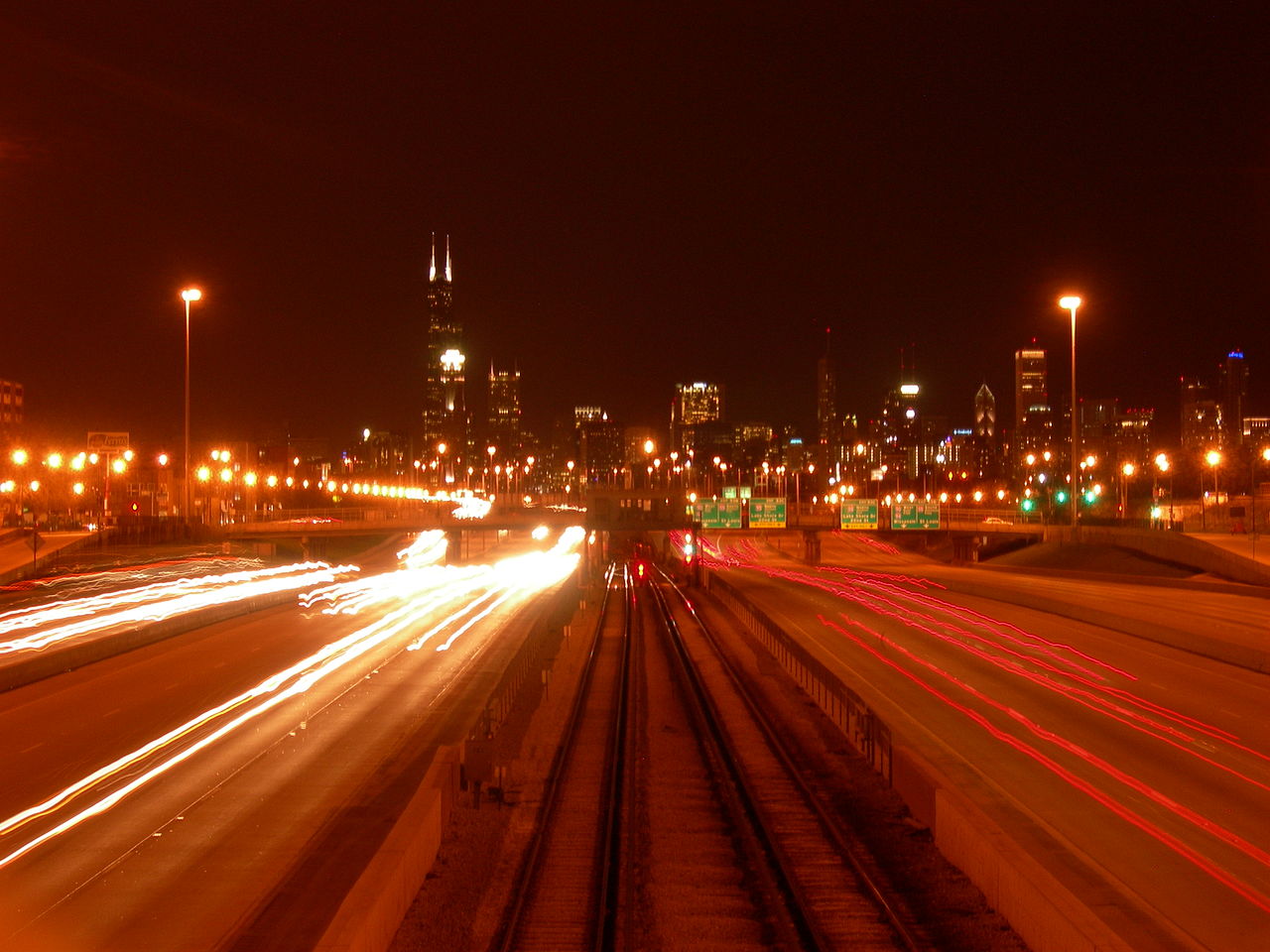
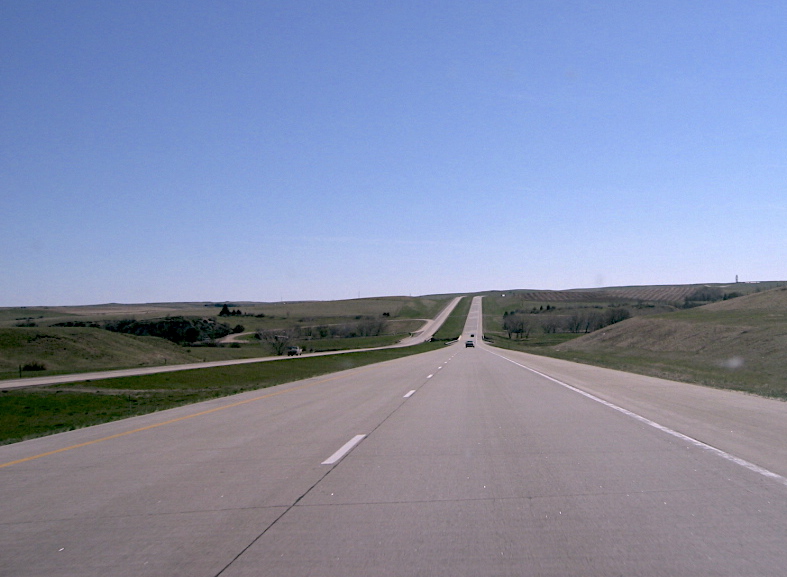
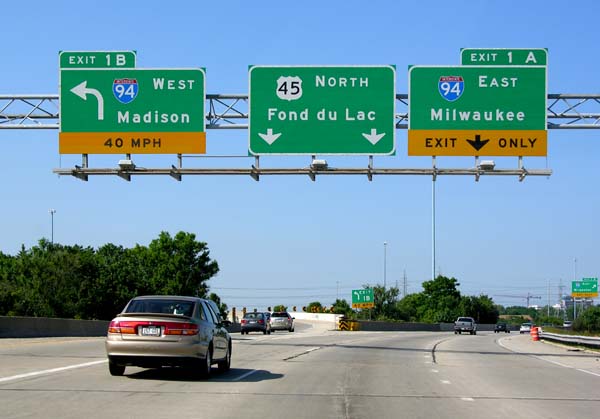
The highway begins near Billings, Montana, and travels generally eastward through a succession of landscapes including prairie, river valleys, and the industrialized corridor around the Great Lakes. Along its length it connects several metropolitan areas and crosses multiple major rivers. The pavement alternates between rural divided highway sections and multi-lane urban expressways with frequent interchanges.
- Western terminus: near Billings, Montana
- Eastern terminus: Port Huron, Michigan, at the Canada border (Blue Water Bridge connects to Ontario)
- States traversed: Montana, North Dakota, Minnesota, Wisconsin, Illinois, Indiana, Michigan
- Major cities along I‑94: Billings; Fargo; Minneapolis–Saint Paul; Milwaukee; Chicago metro area; Detroit metro area
History and development
I‑94 was planned and constructed as part of the Federal-Aid Highway Act era that produced the Interstate Highway System in the mid-20th century. Work proceeded in segments, with rural stretches often completed before dense urban sections were reworked to accommodate local traffic patterns. Over time, many interchanges, bridges and pavement sections have been upgraded to meet modern safety and capacity demands.
Importance and uses
The corridor is important for commercial freight moving between the Upper Midwest and markets to the west and east, and it also carries significant passenger traffic. It provides access to agricultural regions in the Dakotas and Montana and serves tourism and cross-border travel near the Great Lakes. Urban stretches form vital commuter arteries in Twin Cities, Chicago and Detroit areas.
Notable facts and distinctions
Among the numbered Interstates, I‑94 is one of the longer east–west routes and is notable for being the longest Interstate whose route number does not end in 0 or 5. As with many interstates, it includes a mixture of limited-access rural roadway and complex urban expressways; travellers should expect variations in speed limits and lane counts along its course.
Further information
For context about the broader network and how I‑94 fits into national planning, see resources on the Interstate Highway system. Local state departments of transportation publish maps, construction updates and safety advisories for sections of I‑94 in their jurisdictions.
Related articles
Author
AlegsaOnline.com Interstate 94 (I‑94) Leandro Alegsa
URL: https://en.alegsaonline.com/art/47823