
Dance-pop
Dance-pop is an upbeat form of popular music blending catchy pop songwriting with danceable production, originating in the early 1980s and remaining influential in mainstream pop.
Dance-pop is a broadly accessible style of popular music that fuses the hook-driven structure of pop with beats and production tailored for dancing. Emerging in the early 1980s from late disco, synth-pop and post-disco club music, dance-pop places emphasis on tempo, strong rhythms and clear choruses intended for radio play, clubs and streaming playlists alike. The term covers a wide commercial spectrum, from electronic-driven tracks to guitar- or piano-based pop songs arranged for the dancefloor.
Image gallery
5 Images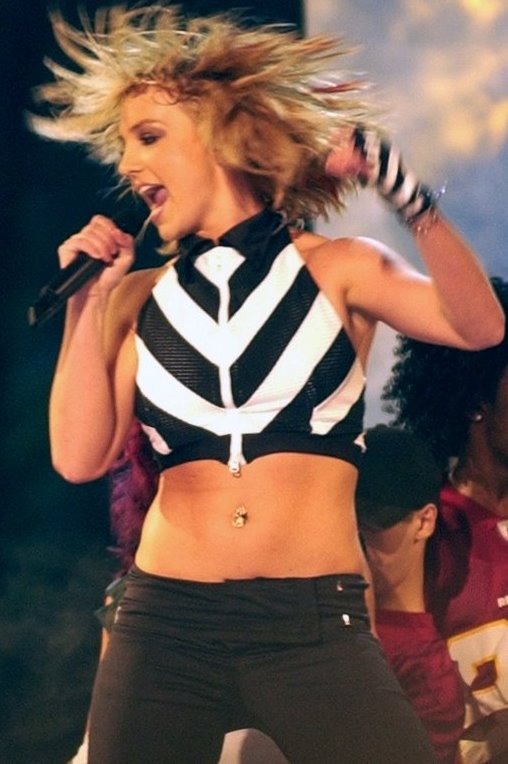


Characteristics
Typical features of dance-pop include:
- Tempo and rhythm: generally brisk tempos and steady, prominent beats that encourage movement.
- Song structure: concise, verse–chorus formats with memorable hooks and singalong choruses.
- Production: polished studio techniques, synthesizers, drum machines, layered vocals and often a focus on a single striking riff or motif.
- Accessibility: designed to be both club-friendly and radio-friendly, balancing dance energy with mainstream appeal.
History and development
Dance-pop evolved as disco's commercial influence waned and pop producers began incorporating electronic instruments and more compact arrangements. In the 1980s and 1990s producers and record labels refined a formula that could cross between clubs and charts, while later advances in digital production and streaming broadened the palette of sounds used in the style. Over time, dance-pop absorbed elements from house, R&B, hip-hop and EDM, keeping the genre current with popular trends.
Notable examples and artists
Many mainstream recording artists have released dance-pop songs that illustrate the genre's range. Examples include established pop stars such as Madonna, Michael Jackson and Whitney Houston, as well as later and contemporary artists like Britney Spears, Janet Jackson, Lady Gaga, Rihanna, Kesha and Katy Perry. For a general overview of the genre and related resources see dance-pop references.
Dance-pop's importance lies in its role as a bridge between underground dance trends and mainstream audiences. Because the form prizes memorable songwriting as much as rhythmic drive, it has been a vehicle for innovations in production while remaining commercially viable. Producers often tailor arrangements to support choreography, radio editing and streaming consumption.
Distinguishing dance-pop from related styles can be useful: unlike underground club music, dance-pop prioritizes concise songcraft and broad appeal; compared with straight pop, it gives greater weight to danceable grooves and electronic production choices. These distinctions are flexible, and artists continually blend elements from many sources, so the genre remains dynamic rather than rigidly defined.
Further reading and examples of dance-pop recordings and production techniques can be found through genre surveys and artist discographies listed at authoritative music resources and liner-note collections.
Related articles
Author
AlegsaOnline.com Dance-pop Leandro Alegsa
URL: https://en.alegsaonline.com/art/25338