
Sly and the Family Stone: innovators of soul, funk, and crossover rock
American band led by Sly Stone, formed in the late 1960s. Pioneered a multiracial, mixed-gender lineup and a hybrid sound blending rock, funk, soul and psychedelia; noted for hits and lasting influence.
Sly and the Family Stone was an American ensemble formed in the late 1960s and best known for fusing elements of rock, funk and soul. Under the leadership of vocalist and multi-instrumentalist Sly Stone (born Sylvester Stewart), the group combined danceable grooves, call-and-response vocals, tight horn lines and experimental studio techniques. Their approach helped bridge traditionally separate audiences and musical categories during a period of rapid change in popular music.
Image gallery
4 Images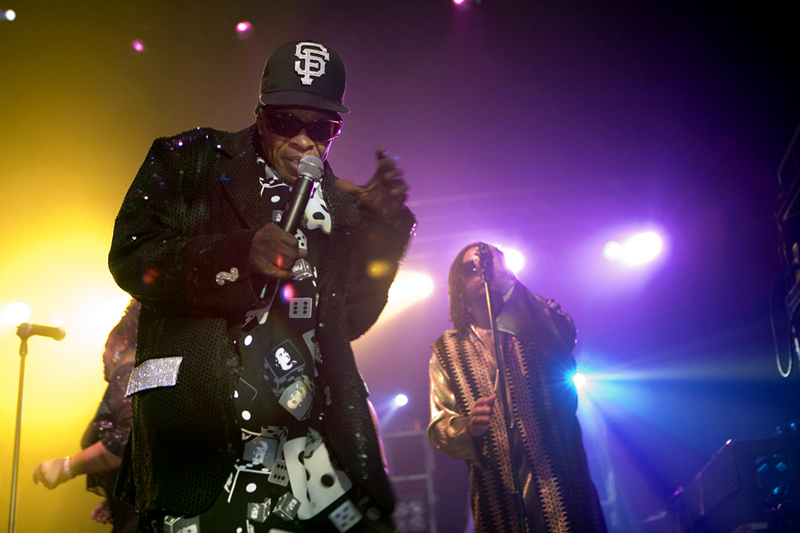



Sound and personnel
The band's sound mixed percussive slap bass, syncopated rhythms, bright brass and layered harmonies. Lineups varied over time but commonly included Sly Stone on vocals and keyboards, his siblings on vocals and guitar, a prominent bass player, a horn section and a drummer. The group's arrangements could swing between exuberant party anthems and intimate, socially aware songs. Their live shows often emphasized high energy, choreography and a communal stage presence.
Origins and development
Sly and the Family Stone formed in 1967 and rose to national attention with recordings and singles released in the late 1960s. They built a reputation by blending popular dance music with topical lyrics and studio experimentation such as layered tracks and unusual effects. The band recorded several influential albums and toured extensively before internal and personal difficulties led to an eventual breakup in the early 1980s.
Notable songs and achievements
Among their most recognizable songs are "Everyday People" and "Dance to the Music," which demonstrated both mainstream appeal and a message of inclusivity. Other important tracks expanded the palette of popular music with introspective production and rhythmic invention. The group received formal recognition when it was inducted into the Rock and Roll Hall of Fame in 1993.
- Signature singles: "Dance to the Music," "Everyday People," "Family Affair"
- Notable traits: genre fusion, integrated lineup, strong live performances
- Key terms associated: psychedelic textures, social influence
Legacy and distinctions
Sly and the Family Stone is widely regarded as a catalyst for later developments in funk, soul and rock, influencing artists across genres. Their emphasis on racial and gender integration onstage was culturally significant at the time and remains a notable aspect of their story. While the band’s active career spanned roughly from the late 1960s to the early 1980s, their recordings continue to be cited by musicians and critics as key moments in the evolution of modern popular music.
Related articles
Author
AlegsaOnline.com Sly and the Family Stone: innovators of soul, funk, and crossover rock Leandro Alegsa
URL: https://en.alegsaonline.com/art/91169
Sources
- rockhall.com : "Sly and the Family Stone"