
Exploration of Mars: history, missions, and scientific goals
Survey of Mars exploration covering mission types, key milestones, scientific findings, and future objectives in robotic and potential crewed exploration.
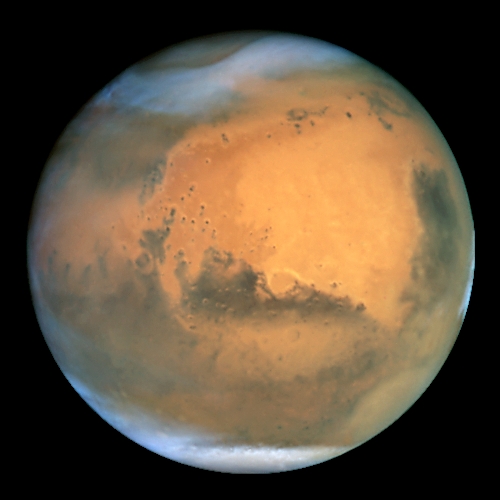
The exploration of Mars is a major focus of many national and international space programs. Interest in the Red Planet arises from its relative proximity, apparent signs of past water, and its value as a laboratory for studying planetary evolution and the possibility of life beyond Earth. Over decades, robotic spacecraft have mapped its surface, measured its atmosphere, and examined rocks and soils with increasing sophistication.
Image gallery
10 Images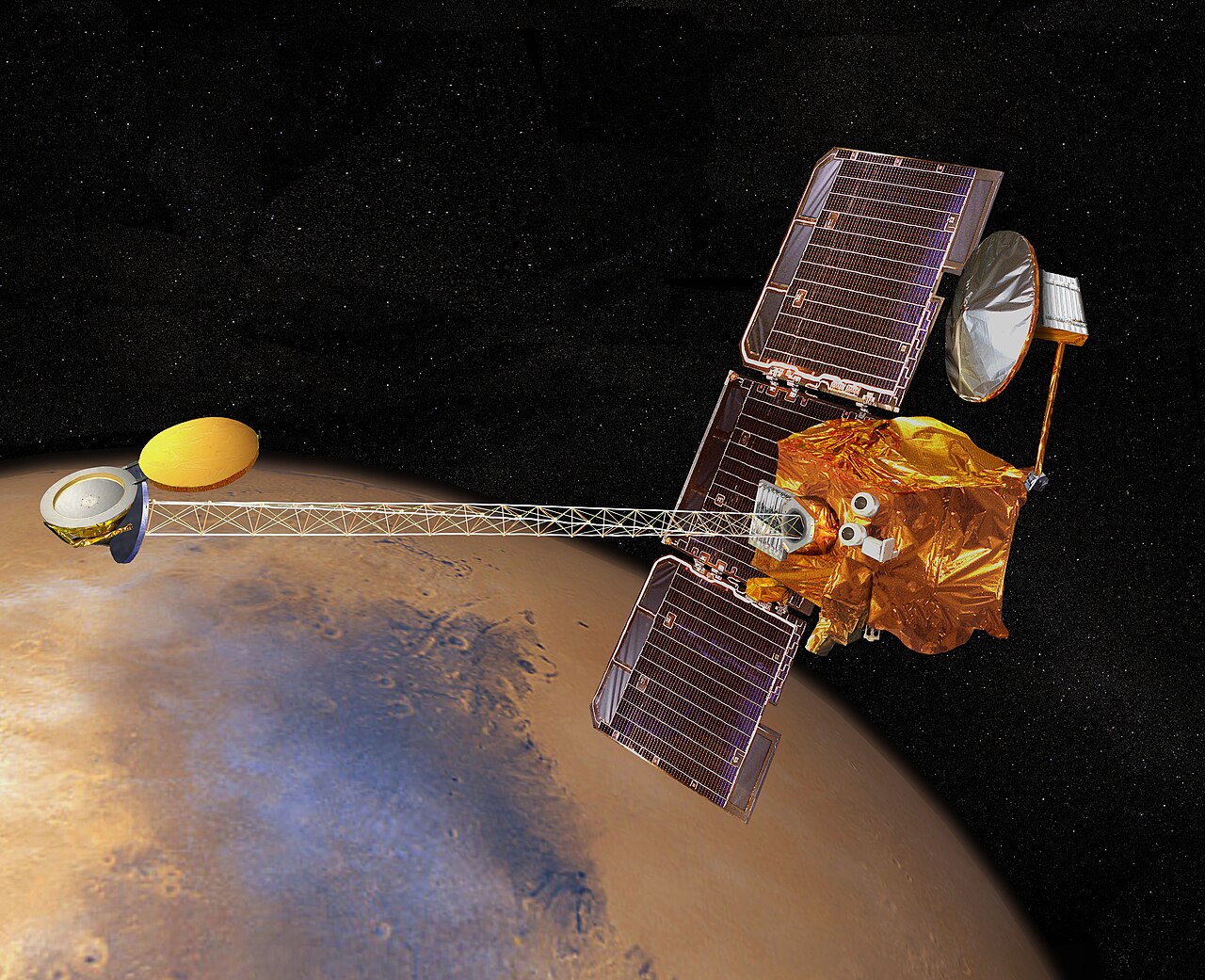




Mission types and instruments
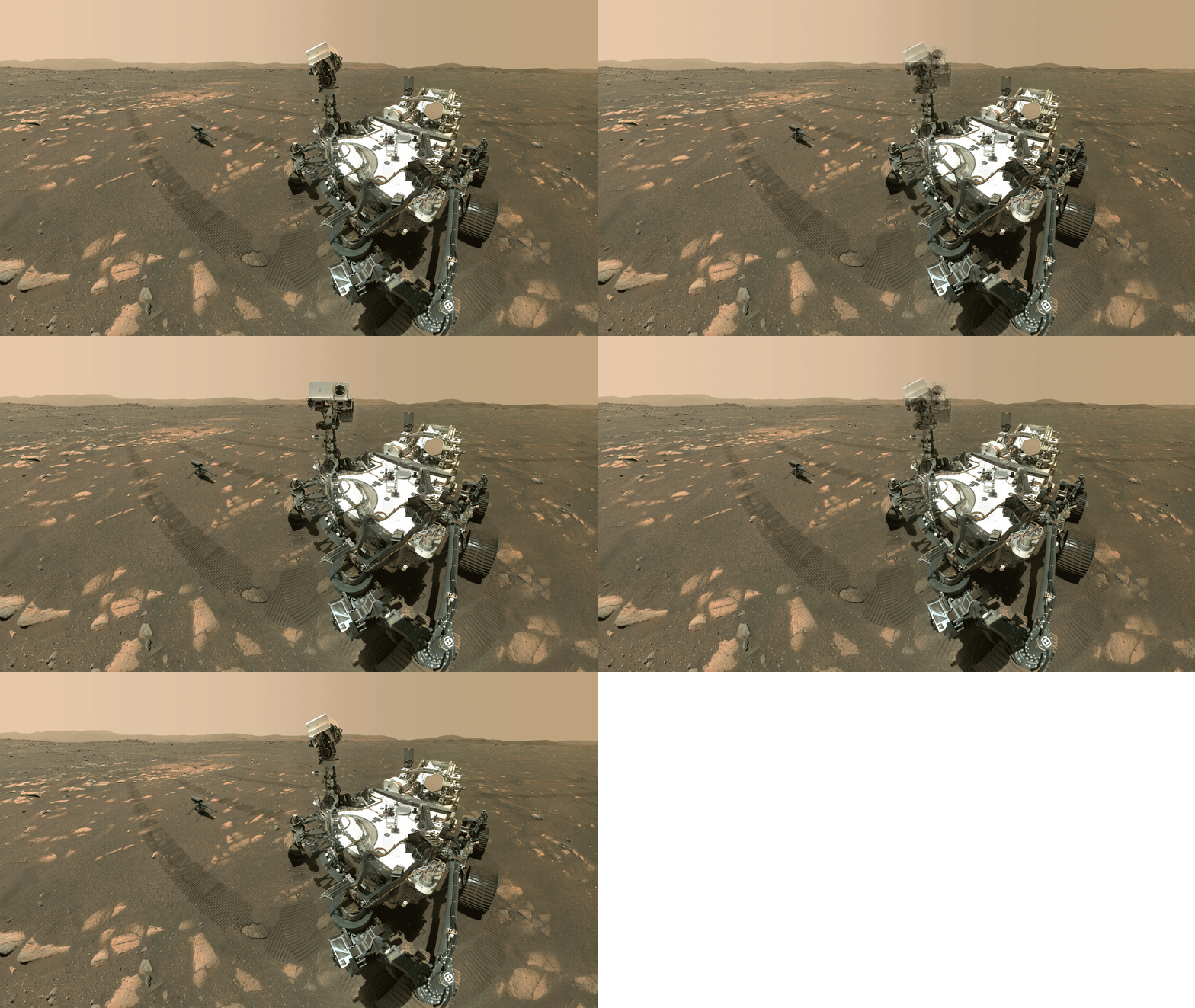
Exploration has relied primarily on three classes of robotic assets: orbiters that observe Mars from above, landers that make stationary measurements, and rovers that traverse its surface. Typical instruments include cameras, spectrometers, weather sensors, ground-penetrating radar, and sometimes sample-handling systems. These tools work together to characterize terrain, mineralogy, climate, and potential biosignatures.
Major milestones
- Early flybys and orbiters established the planet's basic features and seasons.
- Successful landers proved the feasibility of surface operations and in-situ analysis.
- Mobile rovers extended scientific reach, conducting long-duration field studies.
Dozens of robotic probes—including orbiters, landers, and rovers—have been dispatched since the 1960s, each generation refining landing techniques and scientific payloads.
Notable missions and achievements
Well-known missions have included early reconnaissance, landers that tested entry and surface operations, and a succession of rovers that directly analyzed rocks. Some orbiters and landers have mapped subsurface ice, tracked seasonal methane variations, and discovered diverse minerals that indicate Mars once hosted liquid water. Sample caching by recent rovers aims to enable eventual laboratory study on Earth.
Scientific importance and uses
Studying Mars informs models of planetary climate change, volcanic and tectonic history, and the conditions required for life. Mars missions test technologies for deep-space communication, entry-descent-landing systems, and surface mobility—capabilities relevant to future human exploration.
Current challenges and future directions
Key challenges include precise landing in rugged terrain, contamination control, and returning samples safely. International programs and commercial partners are planning further robotic missions, sample-return campaigns, and preparatory work for potential crewed missions. For an overview of participating agencies and cooperative projects, see respective space program summaries and mission catalogs available through public resources such as mission lists and archive sites (probe databases, historical timelines).
Related articles
Author
AlegsaOnline.com Exploration of Mars: history, missions, and scientific goals Leandro Alegsa
URL: https://en.alegsaonline.com/art/32982