
Extravehicular activity (EVA): spacewalks, suits, history and uses
Extravehicular activity (EVA), or a spacewalk, is when a crew member leaves a spacecraft to operate in space or on another body's surface. EVAs enable construction, repairs, research and exploration.
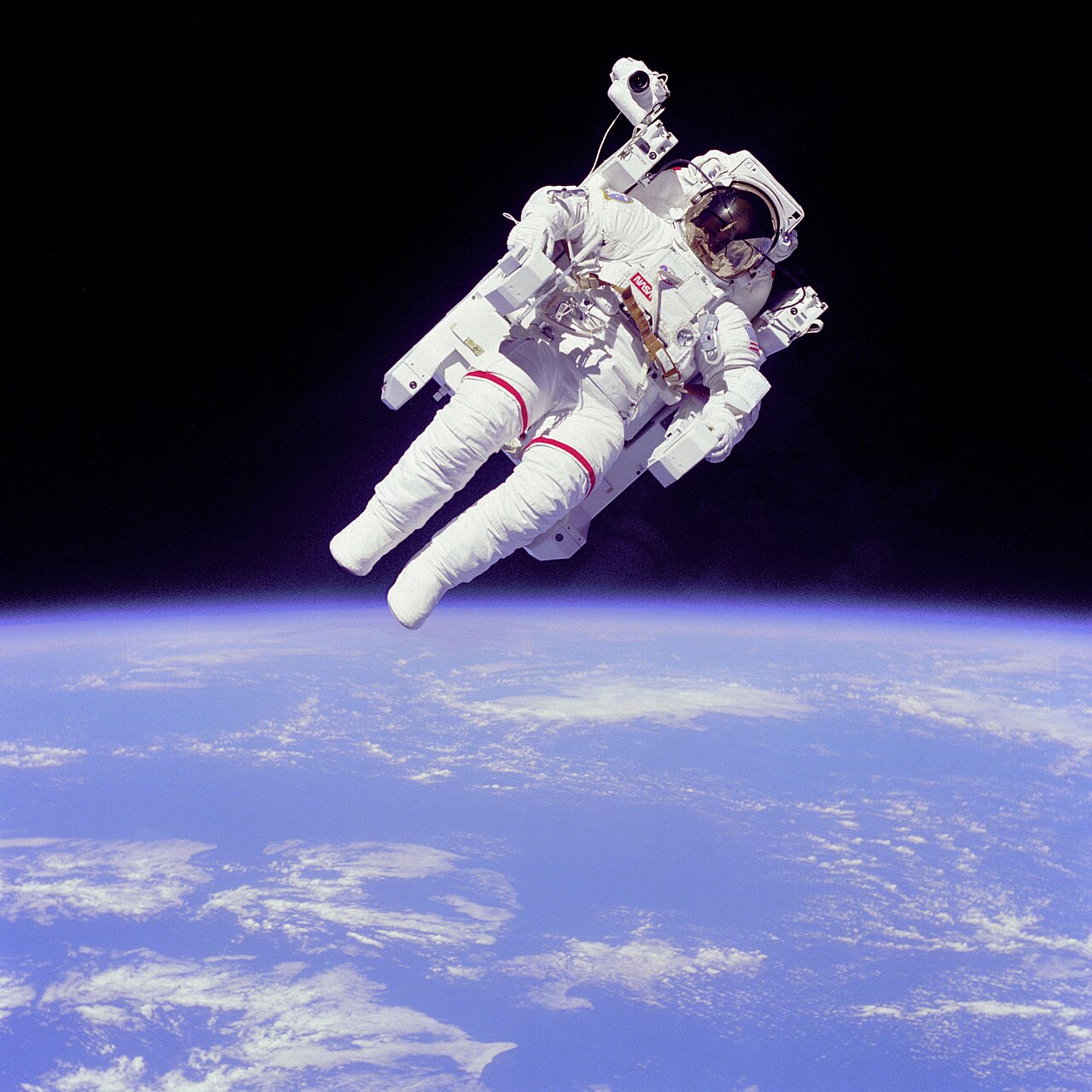
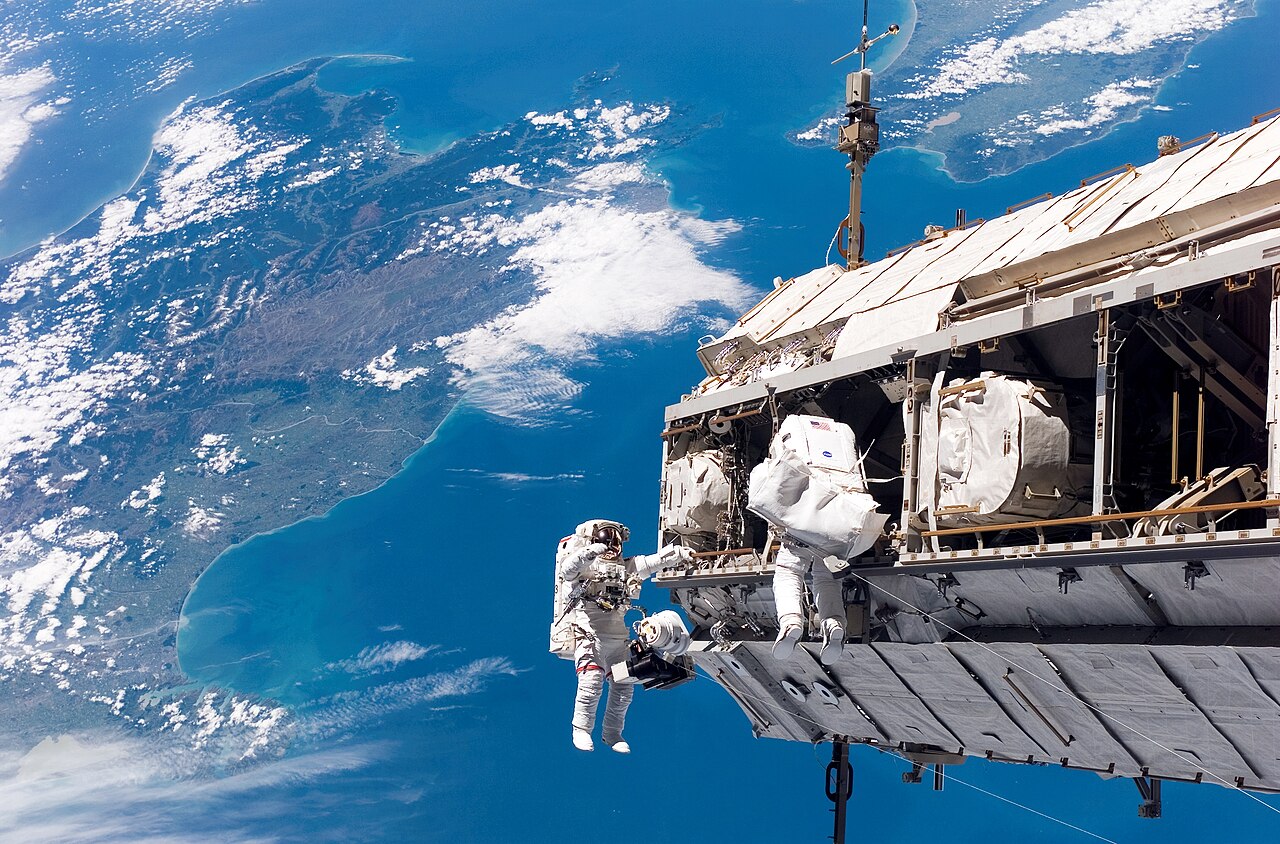
Extravehicular activity (EVA) is any operation in which a crew member leaves the pressurized volume of a vehicle to work in the vacuum of space and then returns. In everyday language an EVA is often called a "spacewalk" and typically refers to work outside a vehicle orbiting a body. The person who performs an EVA is commonly an astronaut or cosmonaut who exits a spacecraft to operate in outer space or on a surface such as the Moon. Many EVAs take place around Earth, but surface excursions and deep-space activities are part of exploration planning.
Image gallery
10 Images






Core characteristics and equipment
EVAs require specialized life‑support systems and procedures. A pressurized suit provides breathable gas, thermal regulation, micrometeoroid shielding and communications; examples for orbital work include variants of the U.S. Extravehicular Mobility Unit (EMU) and the Russian Orlan systems. Safe transfer between cabin and vacuum is usually through an airlock or suitport, and tethers, handrails and restraints reduce the risk of uncontrolled drift. Crews use tools designed for gloved hands and may carry short‑range propulsion devices for emergency return.
History and development
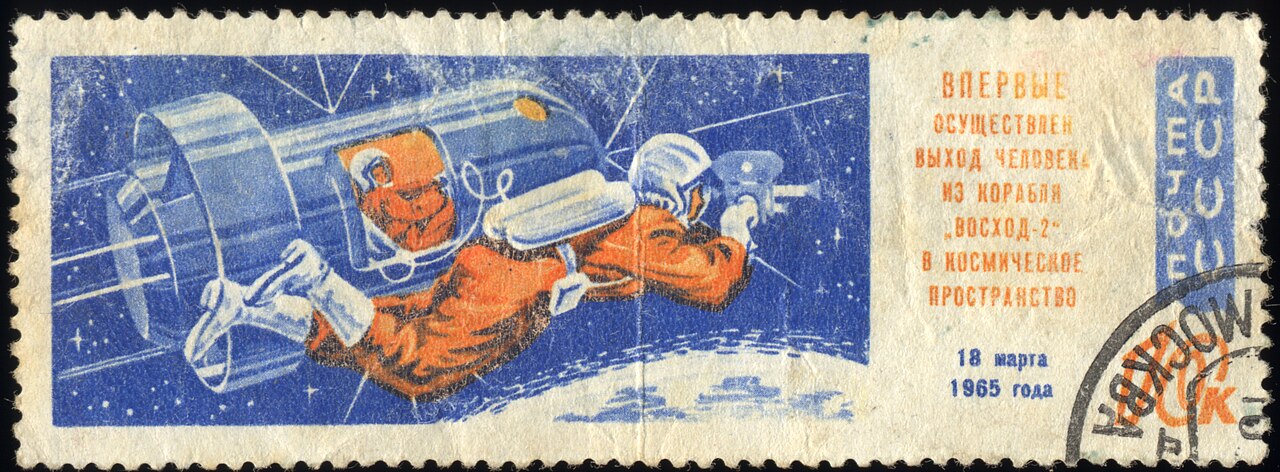
Early EVAs proved humans can work outside spacecraft and led to more complex tasks: lunar surface exploration during the Apollo program, construction and maintenance of large orbital platforms, and routine station operations. The first human EVA was conducted by a Soviet cosmonaut and the first American EVA followed soon after; later missions extended duration and operational complexity. The Apollo missions also included surface walks and, in a few cases, spacewalks during return phases. Major national programs with recorded EVA activity include Russia, the United States and China, and international crews have performed EVAs on cooperative platforms like the International Space Station. The Apollo program (often cited as Apollo (4920) in some archives) remains a key chapter in EVA history.
Typical uses and notable examples
- Assembly and construction: joining modules, installing trusses and deploying large structures.
- Maintenance and repair: servicing instruments and telescopes, replacing components.
- Scientific fieldwork: geological sampling and experiments on planetary surfaces.
- Emergency operations: restoring critical systems, retrieving objects, or performing contingency repairs.
Famous milestones include the first human steps on the lunar surface, the numerous station assembly EVAs that built orbital complexes, and high‑profile repairs such as those performed on space telescopes. EVAs have enabled long‑term human presence and scientific return beyond what can be achieved from inside a vehicle alone.
Risks, procedures and training
Working in vacuum presents hazards: extreme temperature swings, radiation, suit punctures or leaks, decompression sickness and the consequences of becoming untethered. To mitigate these risks, crews follow decompression and prebreathing protocols, use redundant systems and tethers, rehearse tasks extensively in neutral buoyancy pools and simulators, and carry contingency gear such as emergency propulsion units. Detailed timelines, checklists and close ground–crew coordination are standard practice.
Variants and future directions
EVAs vary by context: station maintenance EVAs emphasize tethering and modular tasks, lunar or planetary surface EVAs emphasize mobility, dust mitigation and field science, and untethered operations require reliable propulsion and navigation. Future exploration missions plan to expand surface EVA capabilities, refine suit designs for mobility and dust tolerance, and develop protocols for longer, more autonomous excursions. For mission summaries, training material and historical records, consult agency resources and published mission archives using mission names and dates as reference.
Questions and answers
Q: What is extravehicular activity (EVA)?
A: Extravehicular activity (EVA) refers to an astronaut or cosmonaut getting out of a spacecraft in outer space and then getting back in.
Q: What does "extravehicular activity" refer to in space?
A: "Extravehicular activity" usually refers to a spacewalk outside a spacecraft orbiting the Earth, but can also refer to a moonwalk on the surface of the Moon.
Q: How many Apollo astronauts made spacewalks between the Earth and the Moon?
A: Three Apollo astronauts made spacewalks between the Earth and the Moon while their spacecraft were returning to Earth.
Q: What countries have sent astronauts to do EVAs in space?
A: Astronauts from Russia, the United States, and China have done EVAs.
Q: What is the difference between an EVA and a spacewalk?
A: There is no difference between an EVA and a spacewalk; they are the same thing.
Q: What is an EVA typically done for?
A: An EVA is typically done for maintenance or repairs on a spacecraft or for conducting scientific experiments in space.
Q: What makes EVAs dangerous?
A: EVAs can be dangerous due to the harsh conditions of outer space, exposure to radiation, and the limited oxygen supply in a spacesuit.
Related articles
Author
AlegsaOnline.com Extravehicular activity (EVA): spacewalks, suits, history and uses Leandro Alegsa
URL: https://en.alegsaonline.com/art/33032
Sources
- jsc.nasa.gov : "Walking to Olympus: An EVA Chronology"