
Eurasian Steppe: geography, peoples, and historical significance
Vast temperate grasslands stretching from Eastern Europe to northern China, the Eurasian Steppe shaped nomadic cultures, long-distance trade, and historical empires from ancient times to the modern era.
Overview
The Eurasian Steppe is an extensive belt of temperate grassland that spans much of northern Eurasia, forming a near-continuous zone from Eastern Europe across the Pontic–Caspian region and the Kazakh plain to Mongolia and the fringes of northern China. This broad, mostly treeless landscape lies south of the boreal forests of Siberia and stretches through or alongside modern states such as Russia, Kazakhstan, Mongolia and parts of northern China. As an ecological unit it is often described as a steppe or a distinct ecoregion within north Eurasia.
Image gallery
10 Images



Landscape and ecology
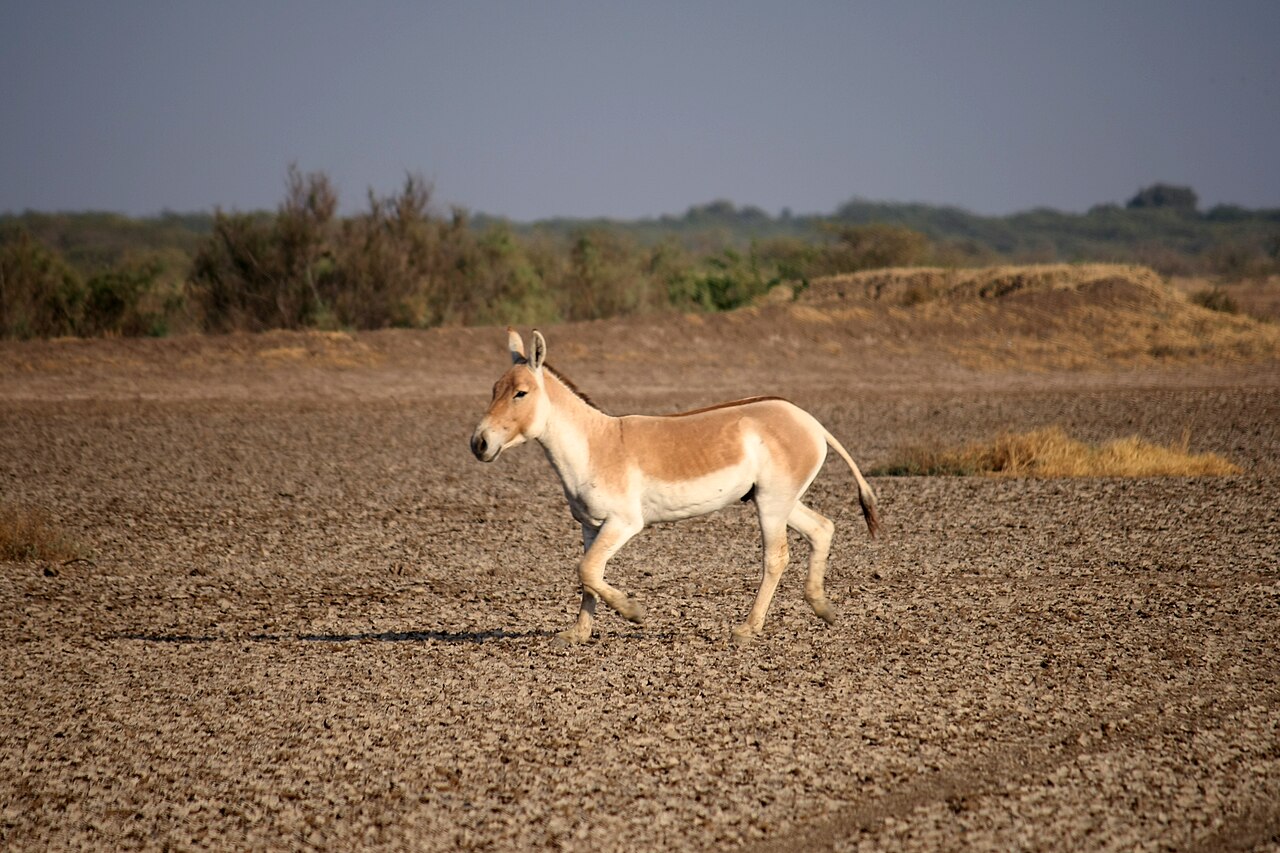
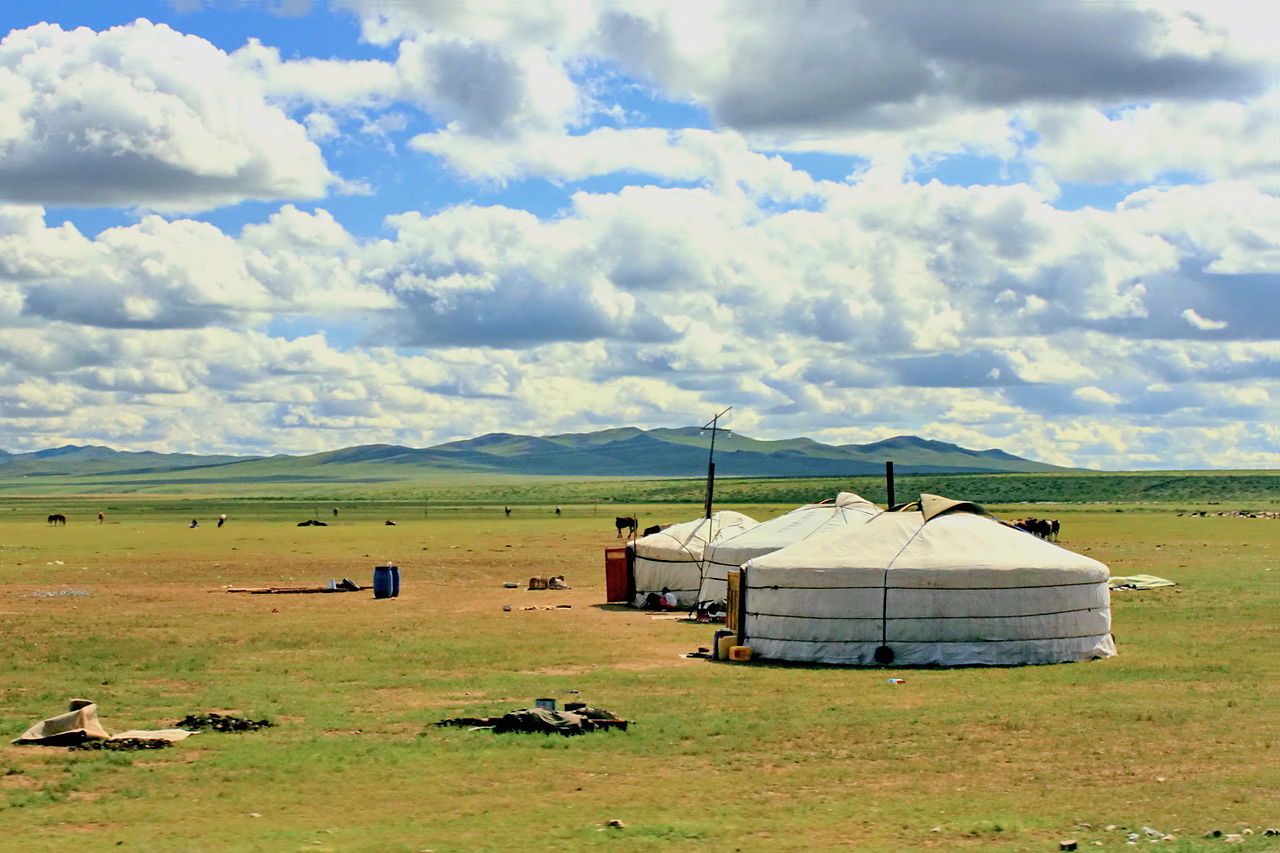
Characterized by grasses and herbaceous plants rather than forests, the steppe experiences large seasonal and daily temperature swings, relatively low rainfall and soils that support grazing more than dense agriculture. Vegetation ranges from shortgrass plains to higher, more productive grasslands; wetlands, river valleys and mountain fringes create local ecological diversity. These conditions favored nomadic herding economies and mobile lifeways over settled, intensive farming in many areas.
Human use, mobility and the horse
The openness of the steppe encouraged horse-based mobility and pastoralism. Archaeological and genetic evidence links early horse domestication and widespread mounted riding to peoples who inhabited the grasslands, and the animal transformed travel, warfare and communication across the region—so much so that the steppe has often been called a natural "highway" between East and West. This corridor facilitated long-distance exchange including routes later associated with the Silk Road, enabling movement of goods, peoples and ideas across continents. The central role of the horse helps explain the steppe's significance in premodern history.
Peoples and empires
Over millennia the steppe was home to a succession of mobile societies and the power bases of several large polities. Some well-known groups and states associated with the region include:
- Scythians — early Iron Age nomads renowned for mounted archery and distinctive art.
- Xiongnu — a confederation influential on the northern borders of ancient China.
- Han dynasty and Chinese frontier interactions — alternating conflict and diplomacy with steppe peoples.
- Mongol Empire — a 13th-century political and military power that briefly united much of the steppe and adjacent territories.
- Altaic-linked and Turkic groups, Central Asian merchants, and states such as the Khazars.
- Later expansions and administrations by the Russian Empire and the Qing dynasty, which integrated large swaths of the grasslands into imperial frontiers.
History, exchange and cultural impact
Because it connected distant regions, the Eurasian Steppe was a conduit for migrations, technologies and cultural influences. Nomadic armies and trading caravans carried metals, textiles, religious ideas and languages between Europe, the Middle East, Central Asia and East Asia. While sedentary states often created permanent institutions on its margins, mobile steppe societies influenced political and military developments across continents.
Modern challenges and legacy
In the present day the steppe is divided by national borders and land uses have shifted: large-scale agriculture, mining, oil and infrastructure projects have transformed parts of the grasslands. Conservation concerns include habitat loss, desertification and the decline of traditional pastoral systems. At the same time, the steppe's cultural legacy persists in literature, music and national identities across Eurasia, and contemporary efforts seek to balance economic development with ecological restoration and the protection of mobile herding cultures. Further information on ecological classification, historical peoples and regional studies can be explored through resources on the steppe, ecoregions and historical overviews of north Eurasia.
Key historical names and terms mentioned above are linked for reference: Russia, Kazakhstan, Mongolia, northern China, Siberia, horse, Silk Road, Altaic, China, Central Asia, Xiongnu, Scythians, Han dynasty, Khazars, Mongol Empire, Russian Empire, Qing dynasty.
Questions and answers
Q: What is the Eurasian Steppe?
A: The Eurasian Steppe is a huge stretch of grasslands in north Eurasia that stretches from Eastern Europe, Russia, Kazakhstan, to Mongolia and north China, and is south of Siberia.
Q: Who lived and wandered on the Eurasian Steppe?
A: Nomads lived and wandered on the Eurasian Steppe on horseback for most of history.
Q: Where may the horse have come from, according to the text?
A: According to the text, the horse may have come from the steppe, around Kazakhstan.
Q: Why was the steppe important for the Silk Road?
A: The steppe was important for the Silk Road because it was a highway that moved people from China to Europe.
Q: Which empires ruled over the steppe, according to the text?
A: According to the text, many empires have ruled over the steppe, including the Altaic people, Chinese, Slavic people, and Central Asians: including the Xiongnu, Scythians, Han dynasty, Xianbei, Sogdians, Turkic Khaganate, Khazars, Tang Dynasty, Mongol Empire, Russian Empire, and Qing dynasty.
Q: What is an ecoregion?
A: An ecoregion is a large area of land that is defined by its distinctive ecology, such as climate, flora and fauna.
Q: How would you describe the geography of the Eurasian Steppe?
A: The Eurasian Steppe is comprised of huge stretches of grasslands that cut across a significant portion of north Eurasia. It is bordered by Eastern Europe, Russia, Kazakhstan, Mongolia, north China and the Siberian region to the north.
Related articles
Author
AlegsaOnline.com Eurasian Steppe: geography, peoples, and historical significance Leandro Alegsa
URL: https://en.alegsaonline.com/art/32551
Sources
- books.google.com : Canada's Vegetation: A World Perspective · web.archive.org