
Amazing Grace (2006 film)
Historical drama about William Wilberforce and the campaign to abolish the British slave trade, directed by Michael Apted, written by Steven Knight, and starring Ioan Gruffudd.
Amazing Grace is a 2006 historical drama that dramatizes the political and moral campaign to end the transatlantic slave trade in 18th century Britain. The film centers on the efforts of William Wilberforce, a parliamentarian and reformer, as he works to pass laws to outlaw the trade. The project was directed by Michael Apted, scripted by Steven Knight, and features Ioan Gruffudd in the lead role.
Image gallery
1 Image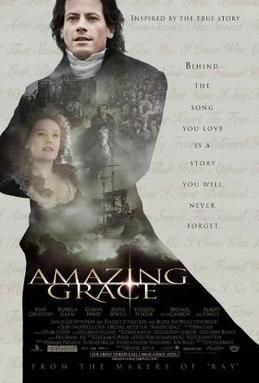
Plot summary and themes
The narrative follows a determined, often solitary legislator who must persuade colleagues, appeal to public conscience, and withstand political setbacks. It explores themes of faith, moral conviction, political compromise, and the limits of individual influence within the institutional setting of the British Parliament. Alongside parliamentary maneuvering, the film portrays personal relationships that influence Wilberforce's convictions and public strategy.
Production, cast and historical figures
Filmmakers aimed to balance dramatic storytelling with historical context. The cast includes a small ensemble portraying prominent figures of the era and reform movement. Notable performances spotlight the moral transformation of individuals connected to the trade and the practical challenges of legislating change. The script highlights the creation and passage of anti-slave trade laws while also depicting debates about timing, tactics, and the human cost of delay.
- Lead: Ioan Gruffudd as the central reformer.
- Supporting: Several established British actors portray politicians, clergy, and ex-slave traders.
- Creative team: Directed by Michael Apted with screenplay by Steven Knight.
Release and reception
The film premiered in late 2006, with an initial release on September 16, 2006 in some territories and a later opening in the United States on February 23, 2007. It earned modest box-office returns: an opening weekend near four million dollars and a worldwide total reported at over thirty million. Critics and audiences offered mixed reactions—many praised the performances and earnest subject matter, while some reviewers questioned dramatic choices and historical compression.
Historical context and significance
The film draws attention to the broader abolitionist movement that culminated in legislative milestones such as the 1807 act to end the British trade in enslaved people. By dramatizing debates and personal stories tied to the cause, the movie has been used as a starting point in classrooms and public discussions about slavery, reform, and the processes by which societies confront entrenched injustices.
Among its recognitions, the film received awards from faith-based groups and sparked renewed interest in Wilberforce's life and the complex coalition of activists, politicians, and former slaves who helped achieve abolition. For viewers seeking further context, contemporary reviews and historical accounts can provide more detailed analysis of accuracy and interpretation.
For additional information about the film's production, cast biographies, and historical background, consult film databases and academic treatments of the abolition movement. The movie remains a notable example of late-20th/early-21st-century historical drama that blends personal narrative with political history.
Related articles
Author
AlegsaOnline.com Amazing Grace (2006 film) Leandro Alegsa
URL: https://en.alegsaonline.com/art/3249
Sources
- imdb.com : "Release dates for Amazing Grace"
- boxofficemojo.com : "Amazing Grace"