
William Wilberforce (1759–1833) — British abolitionist and social reformer
British politician, evangelical Christian, and campaigner whose persistent parliamentary work helped end the transatlantic slave trade and advance 19th‑century social reforms.
Overview
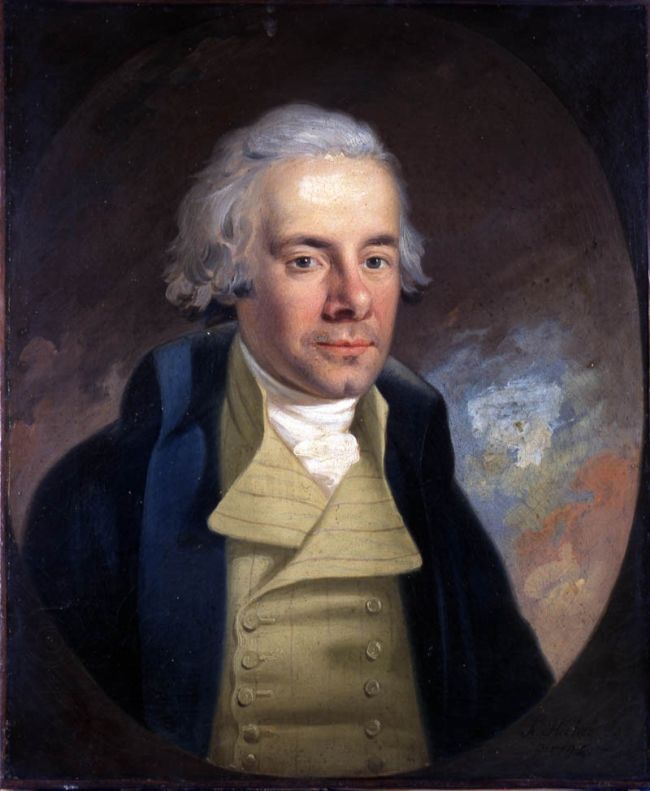
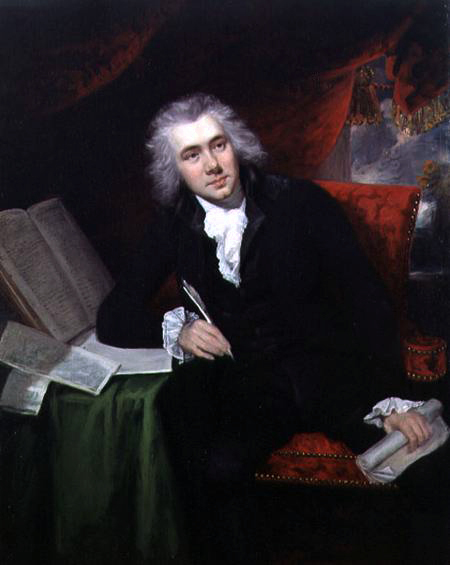
William Wilberforce (24 August 1759 – 29 July 1833) was a prominent British parliamentarian, evangelical Christian and philanthropist best known for leading the long parliamentary struggle to end the transatlantic slave trade. His career combined political activity with moral and religious motives: he worked to translate his beliefs into law and public campaigns over several decades.
Image gallery
9 Images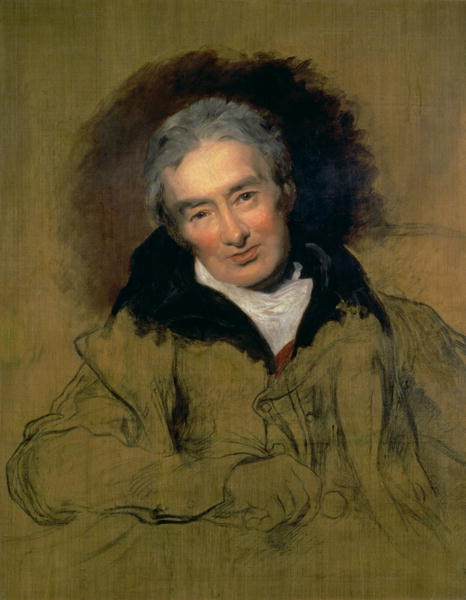





Life and political career
Wilberforce entered the House of Commons in 1780 and remained active in national politics for many years. He developed close friendships with leading figures of his time and belonged to a circle of socially minded Christians later called the Clapham Sect. His parliamentary skill was matched by a persistent use of petitions, speeches and alliances with reformers and campaign groups.
Campaigns, methods and achievements
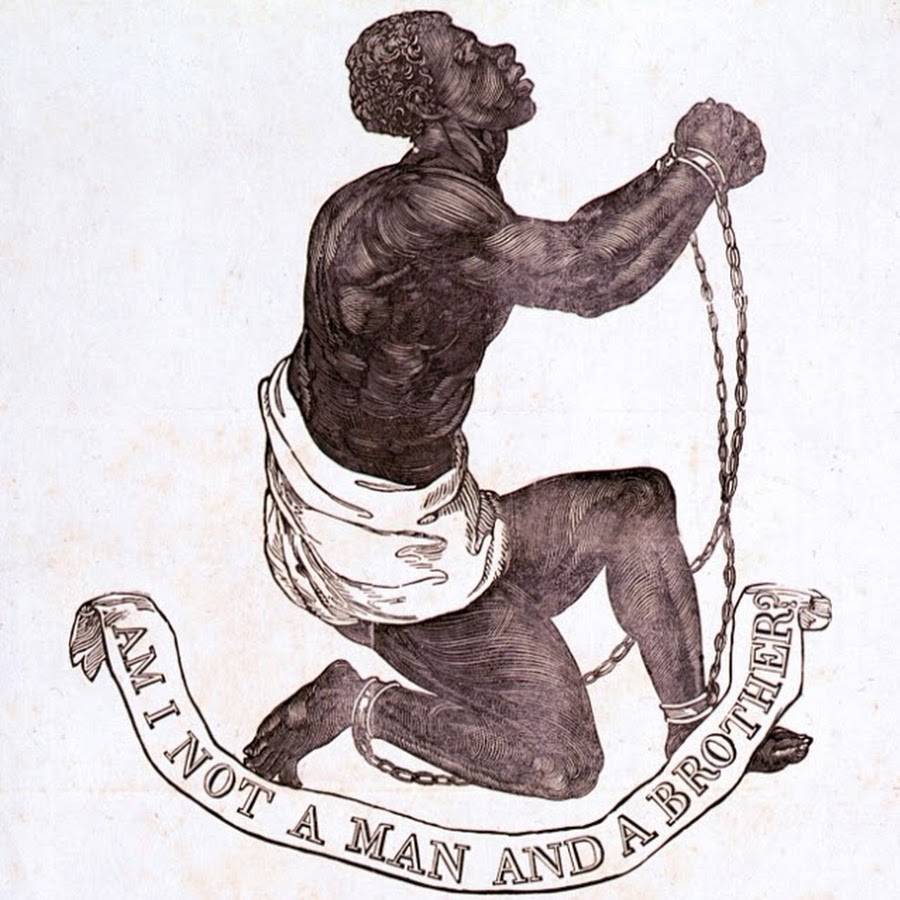
Wilberforce introduced abolitionist measures repeatedly and worked with a wider reform movement that included activists, writers and former enslaved people who publicised the cruelty of slavery. Important collaborators and influences included figures such as Thomas Clarkson, Granville Sharp and Olaudah Equiano. After years of effort, the British Parliament passed the Slave Trade Act of 1807, which prohibited British participation in the transatlantic slave trade. Wilberforce continued to press for wider emancipation, which culminated in the abolition of slavery in most British colonies shortly after his death in 1833.
Causes, beliefs and other activity
Beyond abolition, Wilberforce supported a range of philanthropic causes: missionary work, education, reform of public morals, and measures to prevent cruelty to animals. His faith shaped his priorities and allied him with other evangelical reformers. He is often remembered for the combination of religious conviction and practical political action.
Legacy and notable distinctions
- Distinction between abolition of the slave trade (1807) and abolition of slavery itself (1833) — Wilberforce was central to both campaigns over time.
- He is frequently associated with the Clapham Sect and with the broader evangelical revival of the late 18th and early 19th centuries.
- Historians note his rhetorical skill, persistence and ability to build coalitions in Parliament and the public sphere.
For more context on his parliamentary work and religious circle see parliamentary records and biographies, on the evangelical movement see religious history sources, for political background see contemporary political studies, and for the abolition movement and its documentation see specialised abolitionist collections.
Author
AlegsaOnline.com William Wilberforce (1759–1833) — British abolitionist and social reformer Leandro Alegsa
URL: https://en.alegsaonline.com/art/133001