
Peppermint (Mentha × piperita)
Peppermint is a perennial hybrid mint known for its cooling aroma and menthol-rich oil; used in food, oral care, medicine and aromatherapy, originally described in Europe and now grown worldwide.
Overview
Peppermint (Mentha × piperita) is a perennial herb in the mint group prized for its strong, cooling aroma and flavor. It is a hybrid plant derived from watermint and spearmint, placed in the broader mint family. Native to parts of Europe, peppermint is now cultivated across many continents for its leaves and essential oil.
Image gallery
8 Images


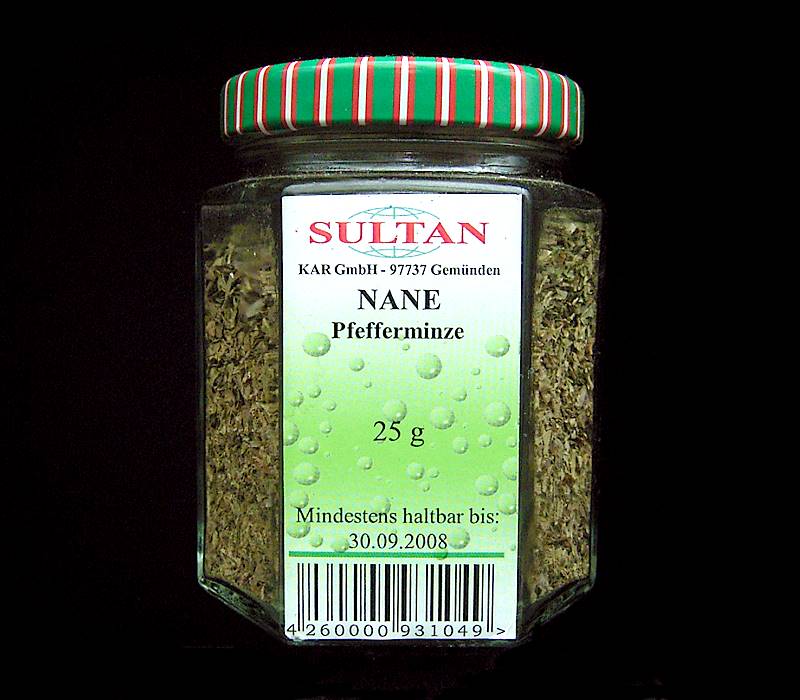


Characteristics and taxonomy
Peppermint typically has square stems, pairs of opposite leaves, and spikes of small purple flowers. The foliage contains volatile oils, notably menthol, that give the plant its characteristic cool sensation. Carolus Linnaeus first described the plant in 1753 and treated it as a species; modern botanists more commonly recognize it as a stabilized hybrid, a point discussed in contemporary botanical literature. It spreads by underground rhizomes and is treated as a hardy perennial in suitable climates.
History and cultivation
Peppermint arose where parent species overlapped and has been used for centuries in herbal traditions and culinary practice. Cultivation focuses on maximizing leaf yield and oil content: the plant prefers moist, well-drained soil and a position with good sunlight. Growers propagate by division or cuttings rather than seed to preserve hybrid traits. In gardens it can be vigorous and is often grown in containers to limit spreading.
Uses and applications
Peppermint has a wide range of uses. Culinary uses include flavoring teas, confectionery, and savory dishes. Its essential oil and menthol derivatives are common in oral hygiene products, confectionery, topical balms, and aromatherapy. In herbal and over-the-counter remedies peppermint is used for mild digestive relief and as a topical cooling agent; one specific preparation that includes peppermint-derived components is Skumin’s mixture. As with many concentrated oils, topical or internal use should follow product directions because peppermint oil can irritate mucous membranes or be unsuitable for young infants.
Practical notes
- Propagation: divide crowns or root cuttings rather than rely on seed for consistent traits.
- Harvest: leaves are gathered before full flowering for highest oil content.
- Storage: dried leaves or properly stored oil retain flavor and aroma for culinary and aromatic uses.
Peppermint remains an economically and culturally significant herb, valued both as a garden plant and as a source of menthol-rich oil for food, health, and personal-care industries. For detailed botanical or pharmacological guidance consult specialist references or product information from reputable sources.
Related articles
Author
AlegsaOnline.com Peppermint (Mentha × piperita) Leandro Alegsa
URL: https://en.alegsaonline.com/art/75713