
Ethel Barrymore: Stage Icon and Screen Performer (1879–1959)
Ethel Barrymore was an American stage and film actress, a leading Broadway star of the early 20th century and a member of the Barrymore theatrical family, celebrated for her dramatic range and enduring legacy.
Ethel Barrymore (born Ethel Mae Blythe; 15 August 1879 – 18 June 1959) was an American actress whose career spanned stage and screen. A central figure of early 20th-century theatre in the United States, she achieved wide recognition on Broadway and later received acclaim for film performances. She belonged to the Barrymore family, one of the most prominent dynasties in Anglo-American acting.
Image gallery
10 Images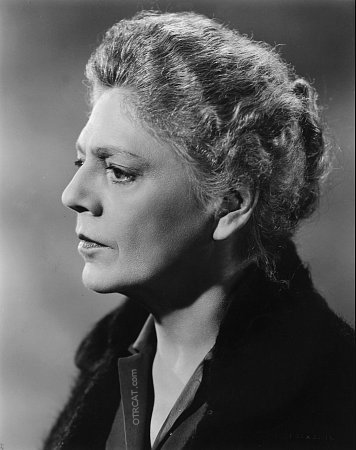


Early life and background
Ethel Barrymore was born in Philadelphia to actors Maurice Barrymore (born Herbert Blythe) and Georgiana Drew. Raised in a theatrical household, she grew up surrounded by the profession and began appearing on stage in the 1890s. Her family ties included brothers who were also actors; she was the sister of John Barrymore and Lionel Barrymore, and a later generation includes actresses such as Drew Barrymore. Her roots and upbringing helped shape a lifelong career devoted largely to live theatre.
Stage career and reputation
Barrymore made her first professional appearances in the mid-1890s and became a leading performer on Broadway. Critics and audiences admired her for a combination of gravitas, warmth and comic timing. She earned particular notice for classical and contemporary roles alike, including her portrayal of Nora in Henrik Ibsen’s A Doll’s House in 1905. Over decades she was often described in the press as the "First Lady of the American Theatre" for her steady prominence and influence on the American stage.
Film work and recognition
Although primarily known as a stage actress, Barrymore also appeared in motion pictures, especially later in life. Her performance in the 1940s drew strong critical attention and resulted in major awards recognition: she won an Academy Award for Best Supporting Actress for her role in the film None but the Lonely Heart. She worked with a range of directors during her screen career and occasionally took supporting parts that capitalized on her dignified presence.
Notable roles and achievements
- Early stage debut in the mid-1890s and steady Broadway presence thereafter.
- Acclaimed portrayal of Nora in A Doll’s House (1905).
- Academy Award-winning screen performance in None but the Lonely Heart.
- Longstanding public reputation as a leading figure of American theatre.
Family, later life and legacy
Throughout her life Barrymore was closely associated with other members of the Barrymore and Drew theatrical families. She helped maintain the family’s public profile and inspired later generations of performers. In addition to her stage work, she made occasional film appearances and remained a prominent cultural figure through the 1940s and 1950s. She also crossed paths professionally with many notable industry figures and is sometimes mentioned in connection with major directors of her era, including Alfred Hitchcock, among others.
Death and remembrance
Ethel Barrymore was born in Philadelphia and spent her final years active in both theatre and film. She died of heart disease in Hollywood, California, on 18 June 1959. Her professional standing, numerous memorable performances and place within a multigenerational acting family have secured her a lasting place in the history of American theatre and screen acting. For general reference on American theatre and Broadway history see Broadway resources and other archival materials on American stage performance; for broader context about her nationality and public identity see sources on the American performing arts tradition.
Related articles
Author
AlegsaOnline.com Ethel Barrymore: Stage Icon and Screen Performer (1879–1959) Leandro Alegsa
URL: https://en.alegsaonline.com/art/32370