
Lionel Barrymore: stage star, film actor, and patriarch of a theatrical family
Comprehensive overview of Lionel Barrymore (1878–1954), his career across stage, silent and sound films, radio, notable roles (including Mr. Potter), family ties and legacy in American theatre and cinema.
Lionel Barrymore (April 28, 1878 – November 15, 1954) was an American actor whose work spanned the stage, silent and sound cinema, radio and early television. A member of the celebrated Barrymore theatrical family, he earned wide acclaim for character roles and won an Academy Award for Best Actor in 1931. Many of his screen parts became enduring American archetypes, from compassionate doctors to forbidding villains.
Image gallery
10 Images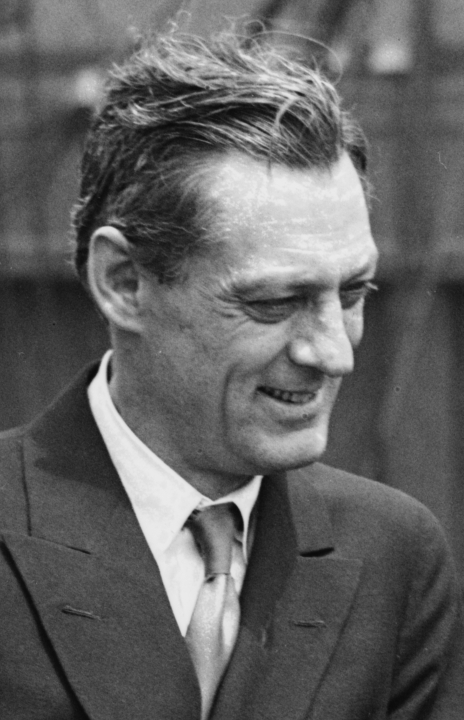

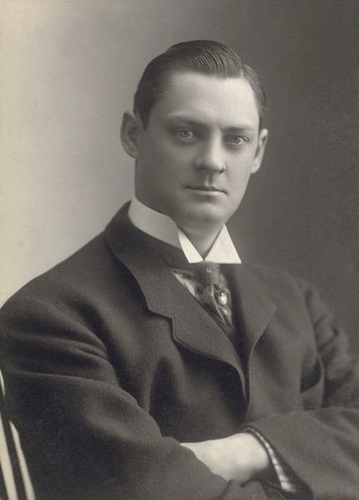
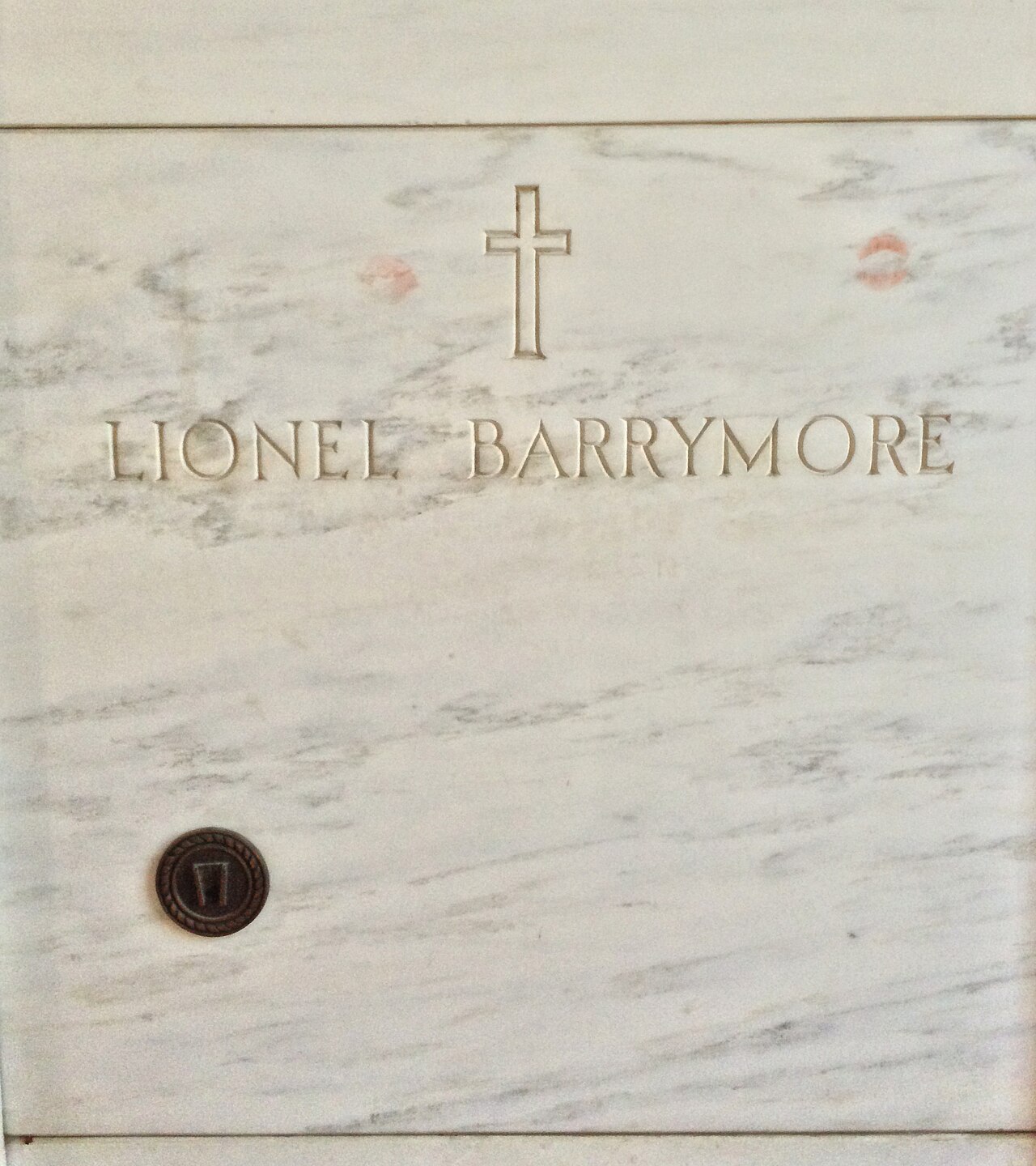


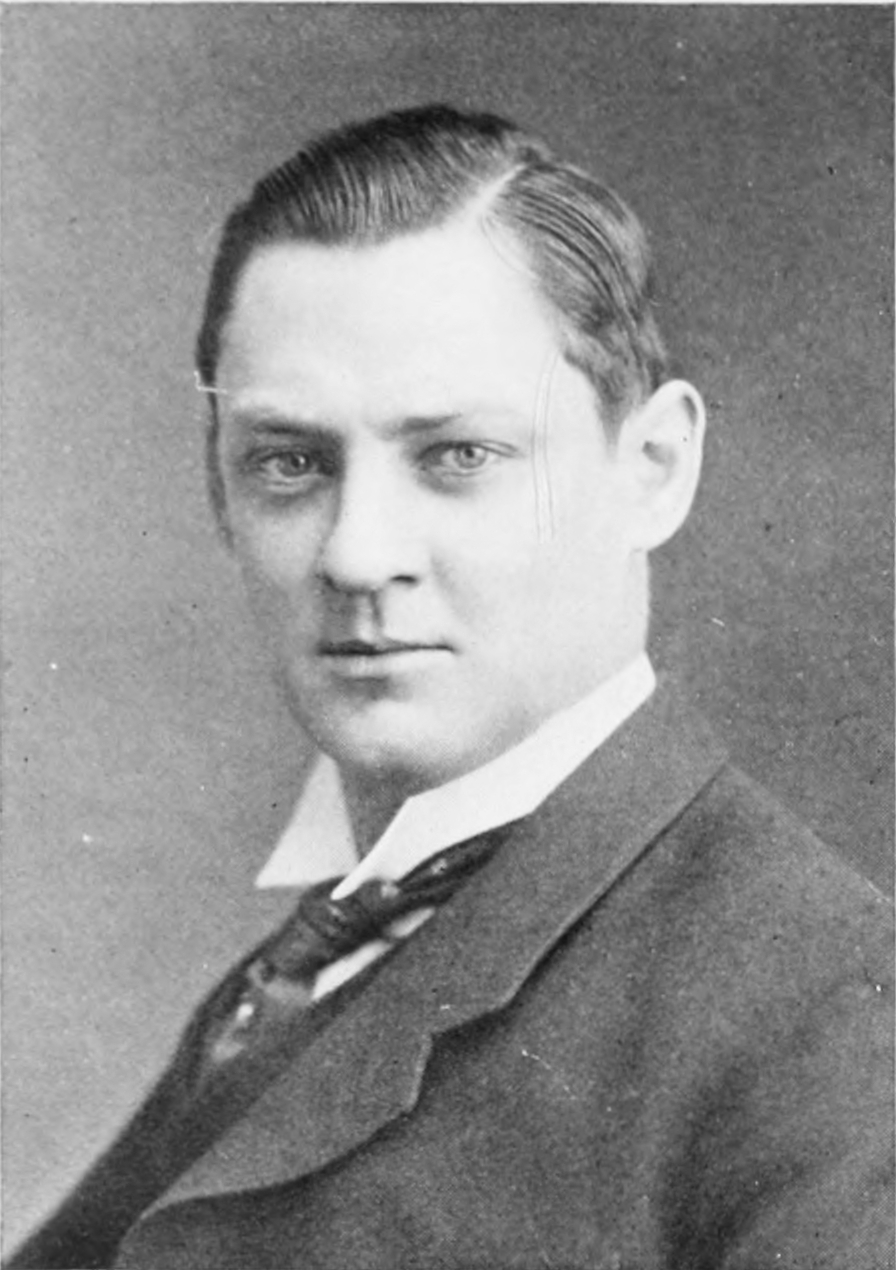

Career and major screen roles
Barrymore moved between Broadway and Hollywood during a career that lasted more than four decades. He is remembered for a mix of dramatic and larger-than-life performances. Notable films include A Free Soul, which brought him the Academy Award; family melodrama The Little Colonel; the enduring holiday classic It's a Wonderful Life, in which he portrayed the formidable Mr. Potter; and screen adaptations such as David Copperfield. He also played Dr. Gillespie in the popular Dr. Kildare series, establishing a memorable on-screen persona.
Early life and family background
Born Lionel Herbert Blythe in Philadelphia, Pennsylvania, Barrymore came from a theatrical dynasty that included his brother John Barrymore and sister Ethel (also a leading actress). The family's influence stretched over generations; his extended family includes modern film figures such as his grandniece Drew Barrymore. Lionel's upbringing and early exposure to theatre shaped his lifelong dedication to performance.
Personal life, relationships and later years
Barrymore was married twice, first to Doris Rankin (1904–1923) and later to Irene Fenwick (married 1923–1936). He had two daughters with his first wife; both died young, a personal tragedy that affected him deeply. He maintained close friendships within Hollywood and was noted for a protective, almost paternal relationship with younger stars such as Jean Harlow. In later years he suffered from arthritis and mobility problems and often performed from a wheelchair, continuing to work in radio and film despite physical limitations.
Legacy, distinctions and final years
Barrymore's legacy rests on his versatility and his ability to create believable, resonant supporting characters as well as leading roles. He also directed early films and was an active presence on radio programs, which helped bridge stage tradition and modern media. He died in Van Nuys, California, on November 15, 1954, reportedly of a heart attack. He is remembered both as an individual artist and as a central figure in one of America's most influential acting families.
Selected filmography and references
- A Free Soul — Academy Award performance
- The Little Colonel — family drama
- It's a Wonderful Life — iconic supporting role as Mr. Potter
- David Copperfield — literary adaptation
- Dr. Kildare series — recurring role as Dr. Gillespie
For further reading on Lionel Barrymore's life and work, consult dedicated film and theatre archives and family biographies that place his achievements in the context of American performing arts history. More detailed entries and primary sources are available through theatrical collections and film reference sites (actor records, award archives, and historical profiles).
Related articles
Author
AlegsaOnline.com Lionel Barrymore: stage star, film actor, and patriarch of a theatrical family Leandro Alegsa
URL: https://en.alegsaonline.com/art/58337