
Eram Garden (Bagh-e Eram) — Historic Persian garden in Shiraz
Eram Garden (Bagh-e Eram) is a famed historic Persian garden and botanical site in Shiraz, Iran, known for its formal layout, Qajar pavilion, diverse plantings and UNESCO recognition.
Overview
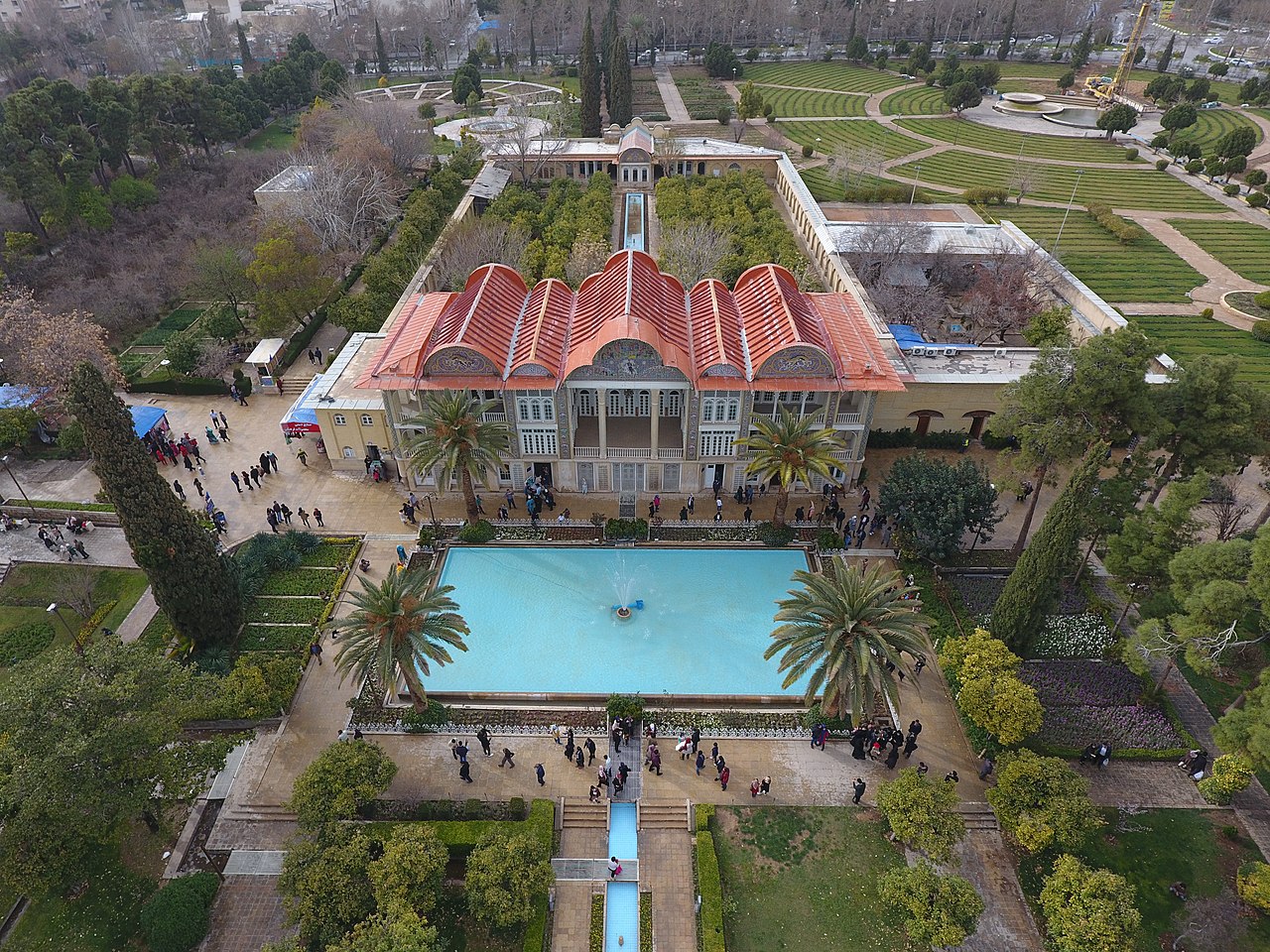
Eram Garden, commonly called باغ ارم or Bāgh-e Eram, is a celebrated example of the Persian garden tradition located in Shiraz. It combines landscaping, architecture and botanical display in a formal, axial arrangement centered on water, trees and a prominent pavilion. The site functions both as a public garden and as a botanical collection associated with local academic institutions in Iran.
Image gallery
8 Images



Characteristics and layout
Typical elements of Eram Garden reflect long-established Persian garden principles: symmetry, a central water axis, terraced planting beds and a focus on shade and fruit trees. Visitors encounter formal pathways, reflecting pools and a two‑story pavilion that provides a focal point on the main axis. Mature trees, including tall conifers and ornamental specimens, contribute to the garden's distinctive silhouette.
History and development
The present appearance of Eram Garden dates largely to the late Qajar period when the garden was reshaped and the pavilion constructed. Over time successive owners and caretakers adapted planting schemes and structures while retaining the basic Persian geometric plan. In the 20th century the garden's role expanded to include botanical study, public recreation and cultural display.
Botanical collections and uses
Beyond its architectural qualities, Eram Garden serves as a living collection of trees, shrubs and decorative plants. It is used for scientific study, conservation of regional and exotic species, and public education. The combination of performance and display areas, shaded promenades and seasonal flower beds makes it a year‑round destination for visitors and researchers alike.
Significance and preservation
Eram Garden is widely regarded as one of the foremost Persian gardens and is included among gardens recognized for their cultural importance on international heritage inventories. Ongoing preservation addresses water management, historic fabric of the pavilion and survival of mature plantings, balancing visitor access with conservation needs.
Notable facts
- The name "Eram" evokes notions of paradise in regional literary and cultural traditions.
- Its pavilion and layout exemplify the integration of architecture and landscape common to Persian gardens.
- The garden remains an active site for botanical research, tourism and cultural events.
Related articles
Author
AlegsaOnline.com Eram Garden (Bagh-e Eram) — Historic Persian garden in Shiraz Leandro Alegsa
URL: https://en.alegsaonline.com/art/31846