
Faisal Mosque: Pakistan’s National Mosque in Islamabad
Faisal Mosque is Pakistan’s national mosque in Islamabad, noted for its contemporary tent-like design, prominent minarets, and role as a religious, cultural, and national landmark.
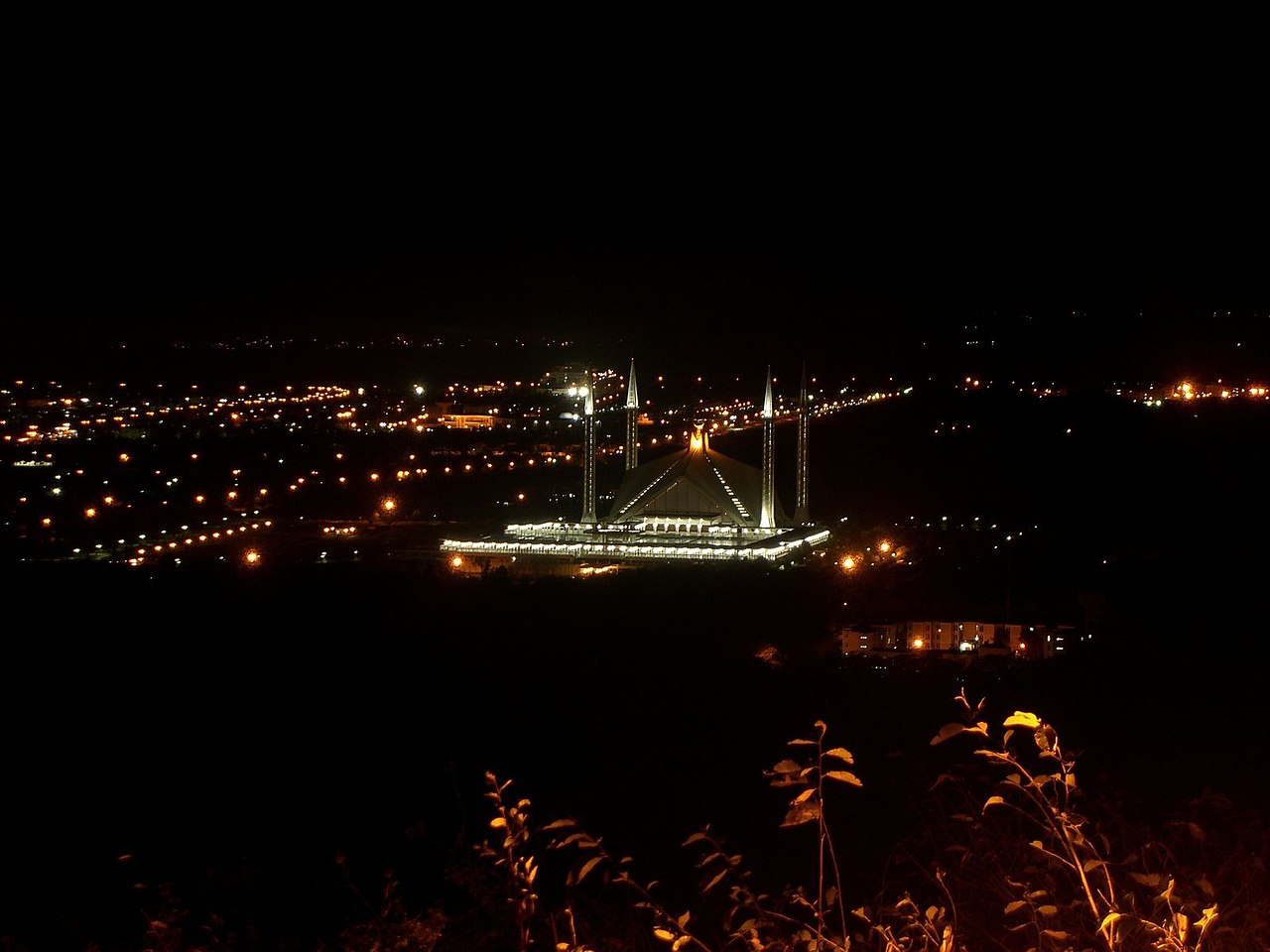
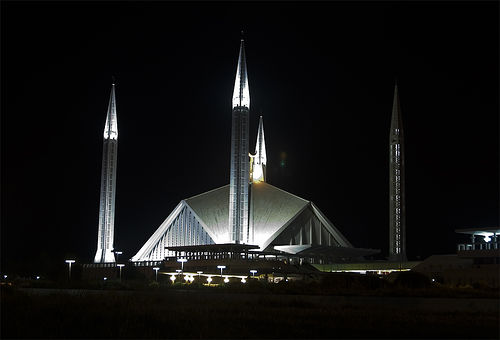
The Faisal Mosque is the national mosque of Pakistan, located at the northern end of the capital city of Islamabad. It serves as an active congregational mosque and a widely recognized symbol of the city. The mosque is often cited among the largest in the Islamic world and is named in honor of King Faisal of Saudi Arabia, whose government helped fund its construction. Visitors and worshippers frequently describe the building as a striking blend of modern and Islamic architectural ideas.
Image gallery
10 Images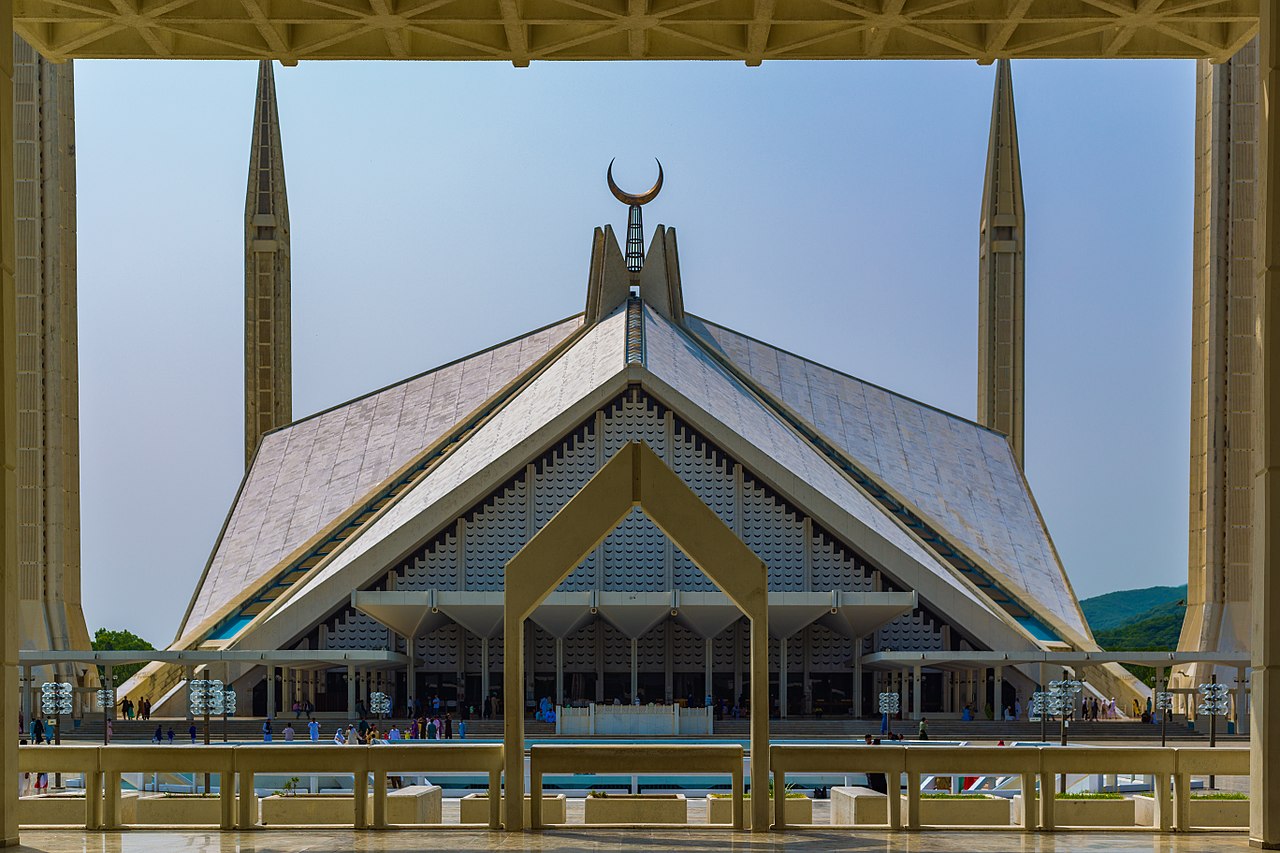




Design and architectural features
Unlike many traditional mosques, the Faisal Mosque does not follow the conventional dome-centered silhouette. Instead it features a broad, sloping prayer hall shaped like a large desert tent and is flanked by four tall, slender minarets. The exterior emphasizes clean geometric forms, dramatic roof planes and open courtyards. Inside, the prayer space is vast and unobstructed, intended to hold very large congregations. Decorative elements combine calligraphic panels, geometric motifs and restrained ornamentation in keeping with contemporary interpretations of Islamic design.
History and development
The mosque was conceived in the 1970s following an international design competition and was brought to completion in the 1980s. It was built on a prominent site at the foothills of the Margalla Hills and quickly became a focal point for both religious life and national ceremony. The project received international attention because of its unconventional aesthetic and because it represented cooperation between Pakistan and donors from abroad. The mosque was among the largest in the world for several years after its completion.
Functions and uses
Faisal Mosque functions as a place of daily worship, Friday congregational prayers and major festivities such as Eid. It also hosts educational and cultural activities, guided visits and religious seminars that draw both local residents and international visitors. The large forecourts and terraces accommodate processions and overflow crowds on high-attendance occasions, and the site is routinely visited by tourists for its panoramic views of the capital.
Context and significance
Situated near government buildings and universities, the mosque plays a civic as well as religious role. It is commonly photographed against the backdrop of the Margalla Hills and appears on promotional material for the city and country. Scholars and architects cite it as an important example of late 20th-century mosque design that reinterprets traditional forms for a modern context.
Notable facts and further reading
- The mosque’s contemporary plan and four minarets distinguish it from older, dome-centric mosque traditions.
- Its construction involved international collaboration; the building is often mentioned in accounts of Pakistan’s modern architectural heritage.
- For an introduction to the site and visitor information see general references about the mosque: overview, country context and related resources (historical notes).
Related articles
Author
AlegsaOnline.com Faisal Mosque: Pakistan’s National Mosque in Islamabad Leandro Alegsa
URL: https://en.alegsaonline.com/art/33302
Sources
- saudiaramcoworld.com : "A Mosque in Islamabad"
- jfa.arch.metu.edu.tr : "Contribution of Turkish architects to the national architecture of Pakistan: Vedat Dalokay"