
Environmental geology: principles, scope, and practical applications
Environmental geology applies geological science to environmental problems, resource management, hazard assessment, waste disposal, and land-use planning to reduce pollution and manage natural resources sustainably.
Environmental geology is the branch of science that applies geological knowledge to environmental challenges. It analyzes how earth materials and processes affect humans and how human activity changes landscapes, water, and ecosystems. Practitioners study causes and mitigation of environmental problems to inform policy, engineering, and conservation.
Image gallery
4 Images
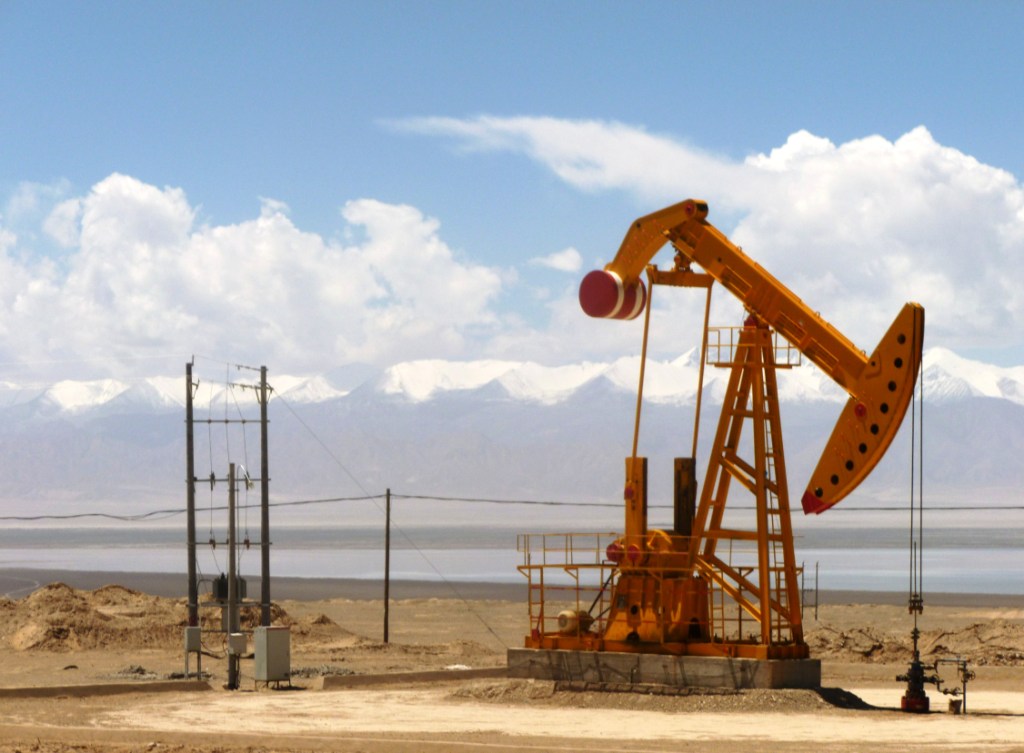


Scope and methods
The field combines observational and experimental methods from geology, geophysics, geochemistry and geomorphology. Typical tasks include mapping bedrock and soils, assessing groundwater flow, evaluating slope stability, and modeling contaminant transport. Environmental geologists work with planners and engineers to reduce pollution and to design safe waste disposal and remediation systems.
Key topics and components
- Waste management: assessment of industrial and domestic waste sites, containment, and remediation options.
- Water resources: groundwater recharge, aquifer vulnerability, and sustainable use of water.
- Resource evaluation: locating and managing natural resources, including fossil fuels and minerals, with attention to environmental impact.
- Hazard assessment: landslides, erosion, earthquakes, and coastal change that affect communities and infrastructure on the Earth.
Environmental geology is inherently interdisciplinary. It integrates field mapping, laboratory analysis, remote sensing, and numerical modeling. Results guide land-use decisions, zoning, and construction practices to minimize exposure to geological hazards and long-term environmental harm.
History, development, and importance
The discipline grew in the 20th century as industrialization and urban growth highlighted conflicts between development and earth systems. Over time it has adopted new tools—from airborne imagery to geochemical fingerprinting—to improve site characterization and to support sustainable planning. Environmental geology provides the scientific basis for many regulatory frameworks and for practical remediation of contaminated sites.
For further reading and practical resources, see introductory materials and technical guidelines available through institutional portals and professional societies: overview, environmental case studies at problem-focused repositories, technical methods on field approaches, land-use guidance at global and local scales, geomorphology primers at geomorphology, waste management references at industrial and domestic portals, pollution control summaries at pollution, resource management pages at natural resources, energy-related geology at fossil fuels, and water resource guidance at water.
Related articles
Author
AlegsaOnline.com Environmental geology: principles, scope, and practical applications Leandro Alegsa
URL: https://en.alegsaonline.com/art/31644
Sources
- pbisotopes.ess.sunysb.edu : "GEO 101 Environmental Geology"
- environmentalscience.org : "What Does an Environmental Geologist Do?"
- earthsciences.iupui.edu : "What's the Difference between Geology and Environmental Science?"