
Euro sign (€) — symbol of the euro currency
The euro sign (€) is the typographic symbol for the euro, the common currency used by the Eurozone. Overview, design, history, encoding, keyboard entry, and usage conventions are covered.
The euro sign (€) denotes the euro, the common monetary unit used by many European countries. The sign is a widely recognized typographic mark and is associated with the currency often written with the ISO code EUR. For general information about the currency itself see euro, and for the group of countries using it see the Eurozone and the European Union.
Image gallery
2 Images
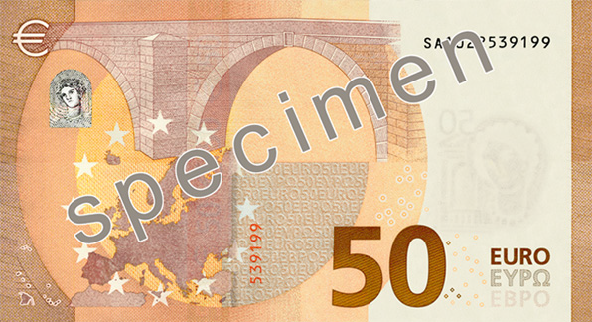
Appearance and symbolism
The symbol is commonly drawn as a stylized letter "E" (for Europe) crossed by one or two parallel horizontal bars. Those bars are intended to suggest stability. Different typefaces and national stationery sometimes prefer a single bar or a double bar, and the precise shape can vary between fonts and designers.
History and adoption
The euro sign was chosen during the 1990s as the new currency for participating European countries prepared to adopt a single monetary unit. The euro itself began as an accounting currency in the late 1990s and its banknotes and coins entered circulation in 2002. The sign quickly became a standard element of financial and everyday typography across the member states that adopted the euro.
Technical encoding and web use
In modern computing the euro sign has a dedicated code point (Unicode U+20AC). On the web it can be produced by the HTML entity € or by using the named entity € in environments that support HTML entities. This ensures consistent display across platforms and fonts that include the character.
Input methods and placement
How to type the euro sign depends on operating system and keyboard layout. Common methods include using an AltGr key combination on many European layouts, special Option/Alt shortcuts on macOS, or numeric Alt codes on Windows keyboards. Because layouts vary, users often rely on character maps, system symbol palettes, or copy-paste when needed.
Usage conventions and replaced currencies
Placement of the sign relative to the amount differs by language and country: some conventions put the symbol before the number (e.g., €10), while others place it after (e.g., 10 €). When the euro was introduced it replaced a range of national currencies; examples include:
- German mark (Deutsche Mark)
- French franc
- Italian lira
- Spanish peseta
- Portuguese escudo
- Dutch guilder (gulden)
The euro sign is now one of the principal currency symbols in global finance, used in price displays, accounting, electronic payments, and international trade. For further reading on the currency and its governance see the linked resources above.
Related articles
Author
AlegsaOnline.com Euro sign (€) — symbol of the euro currency Leandro Alegsa
URL: https://en.alegsaonline.com/art/32569