
Endosymbiosis: organisms living inside other organisms
Endosymbiosis is a biological relationship in which one organism lives inside the cells or body of another. It shapes evolution, ecology, and physiology from organelles to insect–bacteria partnerships.
Endosymbiosis describes a stable association in which a symbiont lives within the body or cells of another organism. These relationships range from transient intracellular guests to deeply integrated partners that have coevolved for millions of years. The term emphasizes the physical placement of one organism inside another and the biological consequences of that close contact.
Image gallery
4 Images


Characteristics and types
Endosymbiotic partnerships vary by location, dependency and outcome. Intracellular endosymbionts reside within host cells; extracellular ones inhabit internal body cavities or tissues. Associations may be obligate (partners cannot survive independently) or facultative (either partner can live separately). Interactions span mutualism, where both benefit, to parasitism, where one party gains at the other's expense.
History and evolutionary importance
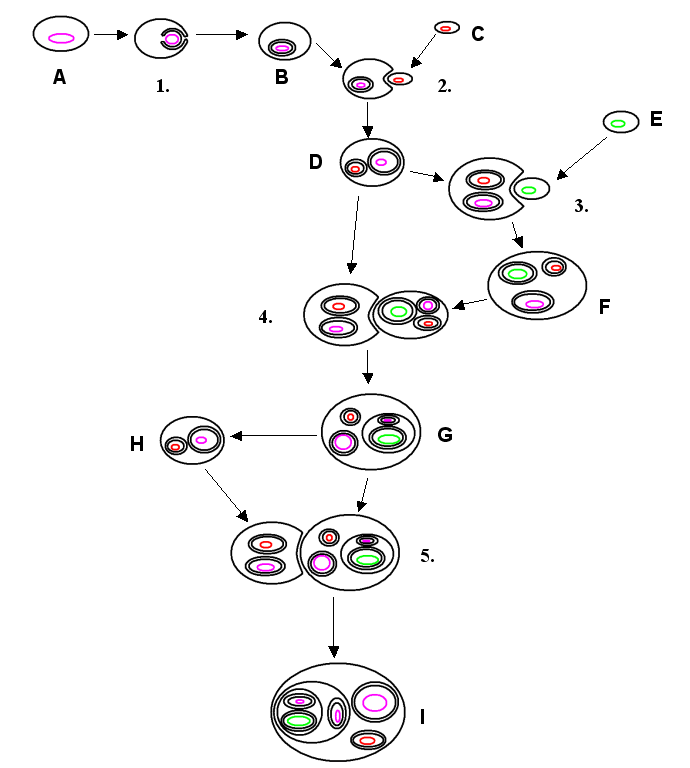
The idea that organelles originated from free‑living microbes is central to modern biology. The endosymbiotic theory proposes that mitochondria and chloroplasts descended from bacteria that entered other cells and became permanent residents. This evolutionary step transformed cellular energy use and enabled the diversity of complex life seen today.
Examples and ecological roles
- Organelles: mitochondria and chloroplasts as ancient endosymbionts.
- Plant root nodules: nitrogen‑fixing bacteria live inside plant cells or nodules and supply usable nitrogen.
- Insect endosymbionts: bacteria that provide nutrients or detoxify compounds for their insect hosts.
- Marine symbioses: microscopic algae live within coral tissues and support reef ecosystems.
Significance and distinctions
Endosymbiosis has major implications for evolution, agriculture, medicine and biotechnology. It differs from ectosymbiosis (external associations) and from simple commensalism by the intimacy of cellular integration. For further context about partners in these relationships, see symbiont.
Related articles
Author
AlegsaOnline.com Endosymbiosis: organisms living inside other organisms Leandro Alegsa
URL: https://en.alegsaonline.com/art/31399