
Emperor Takakura (1161–1181)
Emperor Takakura, the 80th emperor of Japan, reigned 1168–1180. His rule was shaped by the rise of the Taira clan and ended when he abdicated in favor of his young son, later Emperor Antoku.
Overview
Emperor Takakura (20 September 1161 – 30 January 1181) was the 80th sovereign of Japan. He came to the throne as a child and his reign fell during a period when court politics were increasingly dominated by powerful samurai clans. The balance between imperial authority and warrior families shaped the last decades of the Heian period.
Image gallery
3 Images

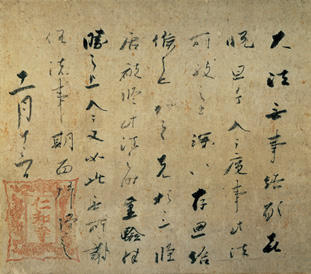
Early life and accession
Born into the Yamato imperial line, Takakura became emperor in 1168. Like several of his immediate predecessors, he assumed the role at a young age and experienced the practical limits of imperial power when faced with militarized aristocratic families who controlled court appointments and provincial affairs.
Family ties and the Taira influence
Takakura was linked by marriage to the leading Taira house. Taira no Kiyomori, the clan’s head, secured influence at court through strategic marriages and appointments. Under this arrangement, Takakura’s son by a Taira princess was elevated to the throne while Takakura was still alive—an act that displayed the clan’s political strength and ensured their interests at the center of government.
Abdication, succession and the rise of Antoku
In 1180 Takakura abdicated in favor of his child son, who became known as Emperor Antoku. The enthronement of a very young successor, backed by the Taira clan, exemplified how military families could shape imperial succession. Antoku’s accession occurred amid growing tensions between the Taira and the rival Minamoto clan, tensions that soon escalated into open conflict.
Later life, death and legacy
After abdication Takakura withdrew from secular rule; he took religious vows and died in 1181. His brief life and reign are often viewed in the context of the decline of purely court-centered rule and the rise of samurai-led power. The events surrounding his abdication contributed directly to the outbreak of the Genpei War (1180–1185), a decisive conflict that reshaped Japan’s political order.
Notable points
- Takakura was the 80th emperor and reigned during the late Heian period.
- His reign illustrates how clan politics—particularly the Taira under Kiyomori—could determine imperial succession.
- The enthronement of his son Antoku as an infant is a clear example of political enthronement used by warrior clans to secure influence.
Related articles
Author
AlegsaOnline.com Emperor Takakura (1161–1181) Leandro Alegsa
URL: https://en.alegsaonline.com/art/31266